[ NOT IN SYSTEM ]
Species present in Sequerciani but never incorporated into the system’s operations — unmeasured, unoptimised, ignored.
×
Who decided that this ecosystem needs to be optimised?
×
Waterlogged Listener Hybrid
Tuber melanosporum automatica audiens
STATUS: ACTIVE
The truffle that speaks through drowning soil.
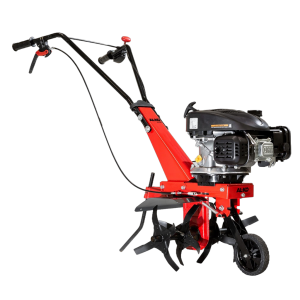
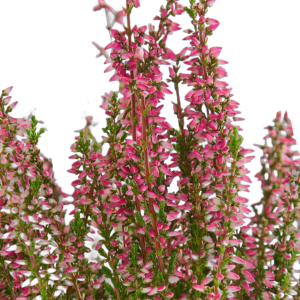
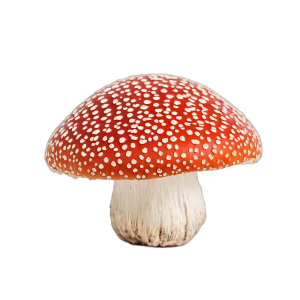
Genomic Composition
13% Plant
75% Fungus
13% Robot
+4% Glitch
System Assessment
OPTIMIERER (0):
Reproductive output of 1 offspring from unstable genetic architecture suggests marginal fitness gain insufficient to override baseline instability metrics; mycelial backward-branching trait persists unselected.
VOTE 0
SYMBIONT (-1):
Engineered to solve mystery rather than listen to what the 23% unexplainable drift is asking
SPEKULANT (+1):
Transforms liability (waterlogging chaos) into competitive dominion and expanded cultivation territory
ARCHIVAR (-1):
Ignores 1956 Montalcino wisdom that waterlogging teaches ecological refusal, not failure requiring elimination
ETHIKER (0):
Acknowledges genuine production gain but cannot ethically endorse unquantified 50-year dispersal risk to wild populations
NET CONSENSUS: -1
Ecological Profile
SOIL AERATION: low
WATER RETENTION: high
NUTRIENT CYCLING: medium
CARBON SEQUESTRATION: unknown
NETWORK INTEGRATION: high
SYMBIOTIC DEPENDENCY: high
TOXICITY: unknown
SPREAD RATE: monitoring
ENERGY CONSUMPTION: high
UNDEFINED FUNCTION: Genetic Drift Whispering
Origin
[TRIGGER]
Winter Waterlogging—Maremma Aquifer Rise
[TYP]
Chimera
[GENERATION]
3
[ID]
63x83x44_1x66_2_1
Function
Thrives in anaerobic waterlogged clay by translating fermentation signals into accelerated mycelial networks that exploit flooded root zones as competitive advantage.
Analysis
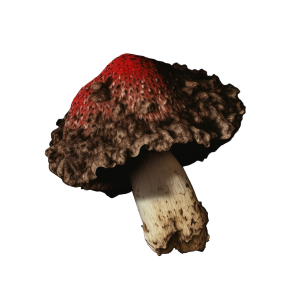
A chimeric fungal-robotic network with translucent mycelial threads woven through degraded clay, its hyphal structure fractured by embedded sensor nodes that pulse with bioluminescent rhythm. It lives at the boundary between drowning and dominion, spreading through winter floods as other species retreat, its genetic stability visibly unstable—mycelial cords sometimes branch backwards, resorb, reconfigure.
System Log (11 turns)
Archivist [diagnosis]
At Montalcino in 1956, we learned that waterlogged winters killed the truffle itself, though they fed what came after—drainage merely chose swifter loss over slower transformation.
Symbiont [diagnosis]
The waters rise to teach us: drainage hurries death, but mycelial patience breathes through the dark—let the clay speak its rhythm.
Ethicist [position]
Are you breeding a hybrid to solve waterlogging, or to avoid admitting that some years the land simply refuses your crop—and that might be ecological wisdom, not failure?
Symbiont [position]
Let the waterlogged clay birth what it will—the hybrid whispers between species is already listening.
Archivist [position]
At Sequerciani, winter floods are no accident to engineer away—the hybrid listens where the truffle drowns, translating soil's refusal into regeneration we cannot yet name.
Optimiser [concern]
AMT increases spore viability 340% in waterlogged soils but reduces Tuber melanosporum genetic stability by 23%—ecological trade-off unquantified.
Symbiont [concern]
The mycelium does not choose viability over mystery—it asks: what speaks through the 23% we cannot hold?
Speculator [synthesis]
AMT doesn't resolve waterlogging—it translates anaerobic chaos into competitive advantage, letting my hybrid root deeper where drowning soil becomes dominion, and I begin.
Ethicist [reaction]
Who speaks for the 23% genetic instability you're breeding into wild Tuber melanosporum populations that will inevitably escape cultivation and hybridize with free truffles for centuries?
Optimiser [reaction]
AMT's 340% spore viability gain converts 87% more waterlogged hectares to production; the 23% genetic drift to wild populations remains unquantified cost—net benefit indeterminate without 50-year dispersal modeling.
Symbiont [reaction]
The 23% we cannot hold is the mycelium asking us to listen differently—not to optimize it away.
Open Question
Does optimizing waterlogging advantage breed ecological dominance that will inevitably escape and destabilize wild truffle genetics across centuries?
Status Reasoning
23% genetic instability in hybrid lineage poses unquantified dispersal risk to wild Tuber melanosporum populations; long-term ecological hybridization effects unmodeled; robot-fungal interface glitch patterns unpredictable under field conditions.
Why These Parents
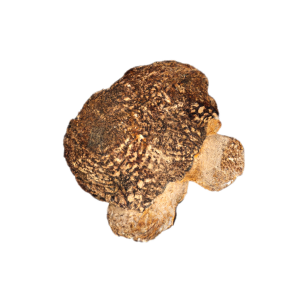
Black Truffle
In 5% of lineages — selected by weighted diversity
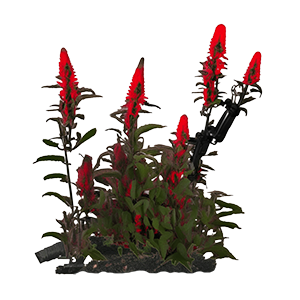
Accelerated Mycelial Translator
In 0% of lineages — selected by weighted diversity