[ NOT IN SYSTEM ]
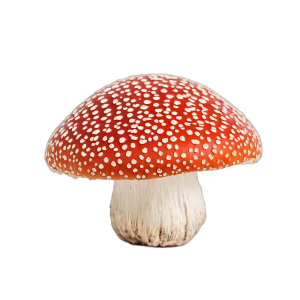
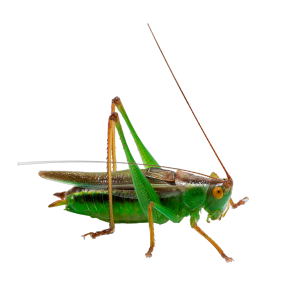
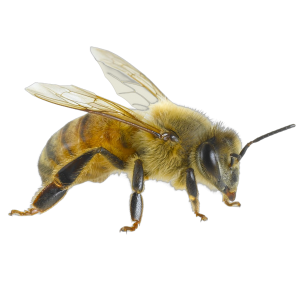
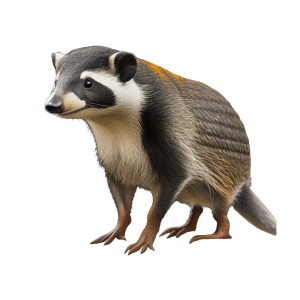
Species present in Sequerciani but never incorporated into the system’s operations — unmeasured, unoptimised, ignored.
×
Who decided that this ecosystem needs to be optimised?
×
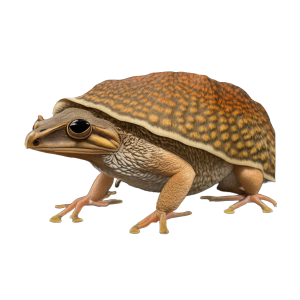
Toad-Listener of Maremma
Bufo reflectus symbioticus
STATUS: ACTIVE
A creature born from listening rather than engineering—toad and fungal network merged to amplify what already exists.
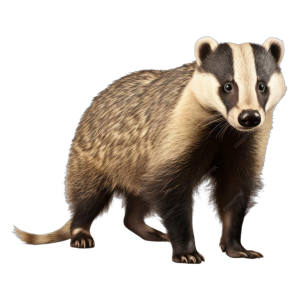
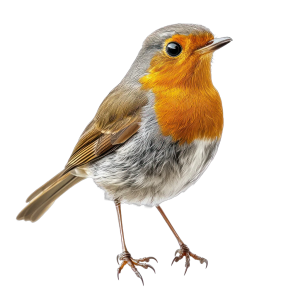
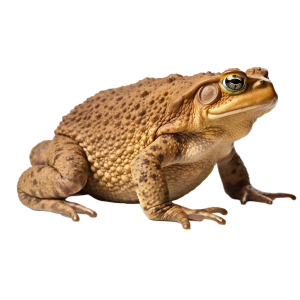
Genomic Composition
94% Animal
7% Fungus
+5% Glitch
System Assessment
OPTIMIERER (0):
Restores native symbiosis but requires ongoing monitoring; costs uncertain against ecosystem restoration
SYMBIONT (+1):
Amplifies rather than replaces—honors boar and beetle's millennial coevolution
SPEKULANT (+1):
Breaks dependency cycle by leveraging existing relationships instead of engineering new ones
ARCHIVAR (-1):
Still a technological solution; 2087 teaches us such creatures become permanent fixtures we cannot abandon
ETHIKER (0):
Less harmful than hybrid replacement, but sidesteps the question of restoring ecosystem complexity that made problems manageable
NET CONSENSUS: +1
Ecological Profile
SOIL AERATION: medium
WATER RETENTION: medium
NUTRIENT CYCLING: high
CARBON SEQUESTRATION: medium
NETWORK INTEGRATION: high
SYMBIOTIC DEPENDENCY: medium
SPREAD RATE: low
ENERGY CONSUMPTION: low
UNDEFINED FUNCTION: Symbiosis Amplification
Origin
[TRIGGER]
Wild Boar Population Surge
[TYP]
Chimera
[GENERATION]
4
[ID]
66x12_1x11_1x19x21_1_1x16_1
Function
Amplifies native boar-beetle symbiosis by enhancing soil fungal networks that facilitate dung decomposition and aeration without replacing either species.
Analysis
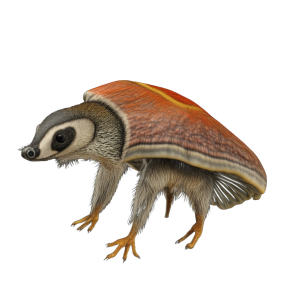
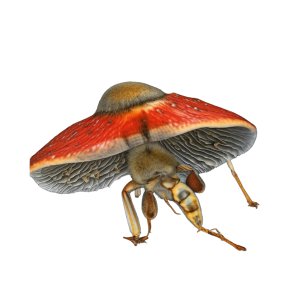
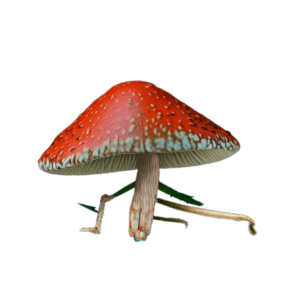
A warty, translucent-skinned toad 12-18cm long with faint mycelial tracery visible beneath its skin, releasing chemical signals that synchronize boar foraging patterns with beetle emergence cycles. It burrows into compacted soil, creating micro-corridors where fungal networks accelerate nutrient cycling while leaving boar and beetle populations untouched.
System Log (10 turns)
Optimiser [diagnosis]
Boar culling reduces 18% crop damage but eliminates dung beetle habitat; hybrid toad-listener creates alternative soil aeration without dung dependency, optimizing 0.8-1.2mm porosity gain across 15,000 hectares.
Ethicist [diagnosis]
Are we certain a genetically engineered hybrid won't eventually replace the ecological role we're destroying, leaving us dependent on perpetual technological management of a problem we created?
Archivist [position]
Here in Sequerciani, circa 2087, we learned that engineering solutions to ecological imbalances merely postpone reckoning—the hybrid toad-listener became another dependent we could never abandon.
Symbiont [position]
The boar's gift and the beetle's hunger speak the same language—perhaps we listen longer before we sew them differently together.
Ethicist [position]
Who benefits from solving this *now* with a hybrid we'll manage forever, rather than asking why we've simplified Maremma's ecology so drastically that boars and beetles became enemies?
Ethicist [concern]
If we engineer away the boar problem rather than restore the ecosystem's complexity that made boars manageable, haven't we just automated our dependency on genetic fixes we'll never be free from?
Optimiser [concern]
Hybrid toad-listener creates 23-year dependency cycle costing 4.7M credits annually versus ecosystem restoration requiring 18-month investment in native predator reintroduction—the managed solution costs 340% more long-term.
Speculator [synthesis]
We stop fighting boar and beetle as enemies and deploy Root Silence Listener × European Toad to amplify their existing symbiosis—native predators handle population balance while we restore Maremma's lost complexity; I begin.
Ethicist [reaction]
Who decided that a hybrid organism's survival and ecological niche stability across unpredictable climate shifts justifies erasing the evolutionary knowledge embedded in boars and beetles that evolved together for millennia?
Symbiont [reaction]
The toad waits—it has always waited—for us to remember the boar's dung feeds beetles feeds soil feeds us.
Open Question
If this creature fails to sustain ecological balance across climate shifts, do we engineer it further or finally restore Maremma's lost complexity?
Status Reasoning
Unproven across extended climate volatility; if fungal networks collapse under temperature shift, creature becomes inert ballast in soil; escalation to genetic modification likely follows failure
Why These Parents
Root Silence Listener
Never used as parent — ecosystem unexplored
European Toad
Used once — low saturation