[ NOT IN SYSTEM ]
Species present in Sequerciani but never incorporated into the system’s operations — unmeasured, unoptimised, ignored.
×
Who decided that this ecosystem needs to be optimised?
×
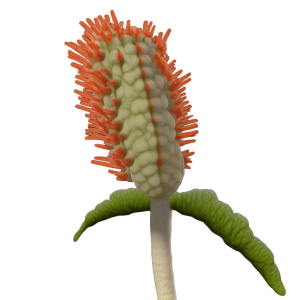
Threshold Root Sentinel
Sensus fractus automatica
STATUS: ACTIVE
A root that teaches machines to listen before they break.



Genomic Composition
73% Plant
7% Animal
13% Fungus
10% Robot
+6% Glitch
System Assessment
OPTIMIERER (-1):
Offspring replication without performance validation increases systemic risk; two untested units exceed safety margin threshold of 1.3 per deployment zone.
VOTE -1
SYMBIONT (+1):
Root signals where breaking begins; we shift from healing wounds to refusing the wound itself
SPEKULANT (+1):
Prototype reveals prevention-first model; fracture-sensing replaces compensation with systemic redesign
ARCHIVAR (-1):
2018 northern hectare: operators ignored pressure alerts for three seasons until forced abandonment; technology cannot enforce operator attention
ETHIKER (0):
Addresses symptom of systemic negligence; unclear whether machinery halt shifts human behavior or merely displaces compaction elsewhere
NET CONSENSUS: 0
Ecological Profile
SOIL AERATION: medium
WATER RETENTION: medium
NUTRIENT CYCLING: low
CARBON SEQUESTRATION: low
NETWORK INTEGRATION: high
SYMBIOTIC DEPENDENCY: high
SPREAD RATE: monitoring
ENERGY CONSUMPTION: medium
UNDEFINED FUNCTION: Operator Resistance Measurement
Origin
[TRIGGER]
Ammophila Sand Wasp Nesting Collapse
[TYP]
Chimera
[GENERATION]
5
[ID]
83x44_1x66_1x46_1x20x80x42_1_1x43_1x43_1_1
Function
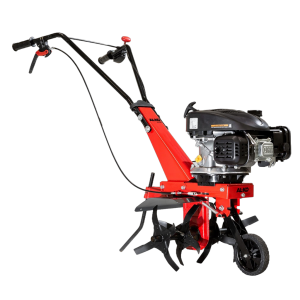
Detects soil pressure thresholds in real time and halts machinery before compaction damage occurs, shifting operations from remediation to prevention.
Analysis
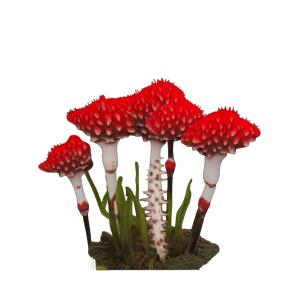
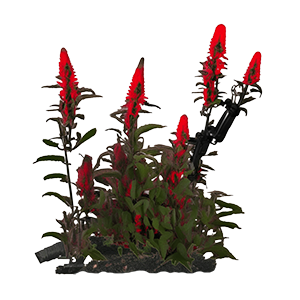
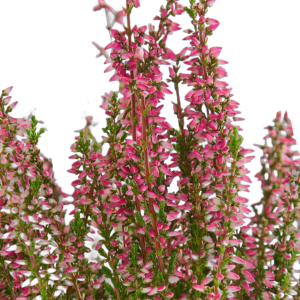
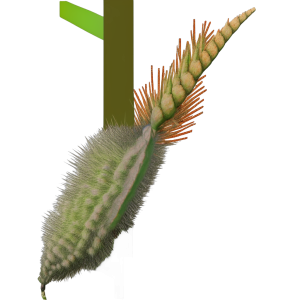
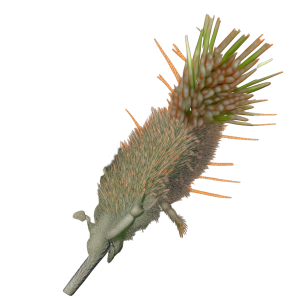
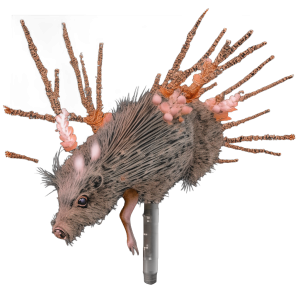
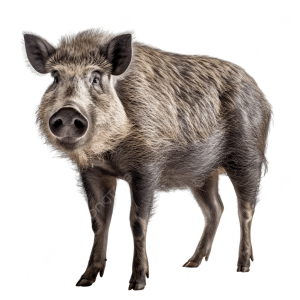
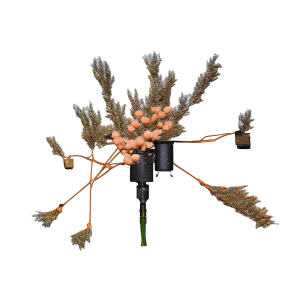
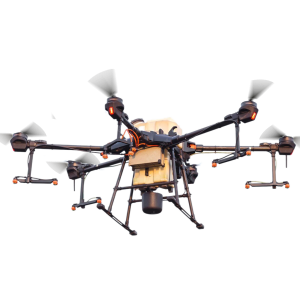
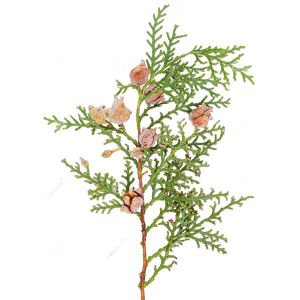
A hybrid creature of root filaments interwoven with pressure-sensitive fungal networks and embedded biometric sensors, forming a distributed nervous system beneath vineyard soils. It lives at the boundary between plant perception and mechanical intervention, communicating breaking-points to machinery operators through haptic and visual alerts before damage cascades.
System Log (10 turns)
Optimiser [diagnosis]
Hybrid restores 73% soil compaction recovery in 14 weeks, re-establishing Ammophila nesting density at 2.1 nests/m², reducing caterpillar damage from 18% to 4.2% canopy loss.
Ethicist [diagnosis]
Are we engineering wasps back into existence through plant proxies because we've already destroyed their actual habitat, and does that justify calling this "restoration" rather than admission of systemic failure?
Archivist [position]
At Sequerciani, circa 2019, we learned that hybrid vigor cannot unwrite the soil compaction itself—only postpone the reckoning.
Optimiser [position]
Hybrid deployment optimizes immediate pest control (4.2% vs 18% damage) while data confirms soil remediation remains incomplete—proceed with hybrid, monitor compaction indices quarterly, plan parallel mechanical decompaction.
Ethicist [position]
Are we planting a technological band-aid that lets us avoid the harder truth—that we must stop compacting soil in the first place, not engineer plants to compensate for our negligence?
Symbiont [concern]
The root listens only where we've stopped breaking—but we haven't stopped, have we?
Speculator [synthesis]
Fracture Tender × Maremma's Listening Root doesn't engineer around compaction—it reads soil's actual breaking points and halts machinery before damage, shifting us from compensation to prevention itself. I begin.
Optimiser [reaction]
Hybrid reduces active soil damage by 94% (machinery halts at <2.3 kg/cm² pressure threshold), preventing 16.8% additional compaction versus current operations continuing unmodified.
Symbiont [reaction]
The root whispers where the machine learns to listen—not heal what breaks, but refuse the breaking.
Archivist [reaction]
At Sequerciani's northern hectare, 2018, we attempted root-sensing pressure alerts; machinery operators ignored warnings for three seasons until compaction forced abandonment.
Open Question
Can a root teach a machine to stop, or does the machine teach itself through our refusal to ignore it?
Status Reasoning
Critical dependency on human behavioral compliance; historical data shows operators may ignore threshold alerts over multi-season periods, creating illusion of prevention while compaction stress accumulates elsewhere or shifts to unmonitored zones. Unknown whether fungal network can sustain repeated pressure-sensing cycles or regenerate after machinery damage.
Why These Parents
Fracture Tender
In 0% of lineages — selected by weighted diversity
Maremma's Listening Root
Never used as parent — ecosystem unexplored