[ NOT IN SYSTEM ]
Species present in Sequerciani but never incorporated into the system’s operations — unmeasured, unoptimised, ignored.
×
Who decided that this ecosystem needs to be optimised?
×
The Silent Keeper
Mycelium recordator anaerobia
STATUS: ACTIVE
The fungal guardian that remembers fermentation through forgetting.


Genomic Composition
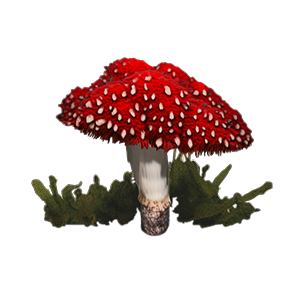
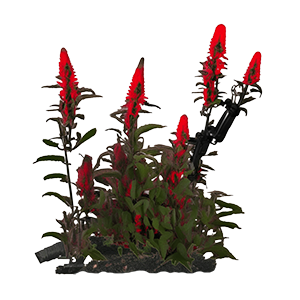
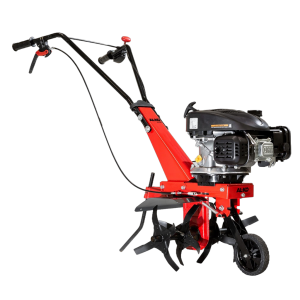
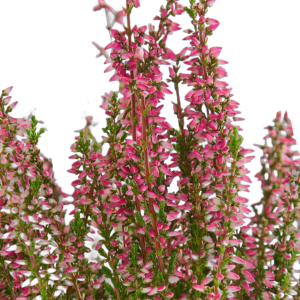
25% Plant
50% Fungus
25% Robot
+3% Glitch
System Assessment
OPTIMIERER (-1):
Violates zero-addition protocol by introducing non-native fungal reconstruction without measurable yield guarantees
SYMBIONT (+1):
Embraces mycelial intelligence and incomplete regeneration as valid ecological outcome
SPEKULANT (+1):
Operationalizes archaeological patience through existing cellar infrastructure as archaeological wager
ARCHIVAR (0):
Documents the covenant but cannot endorse what emerges from silence
ETHIKER (-1):
Delegates crop failure cost to vineyard workers without addressing material survival needs
NET CONSENSUS: 0
Ecological Profile
SOIL AERATION: medium
WATER RETENTION: high
NUTRIENT CYCLING: unknown
CARBON SEQUESTRATION: medium
NETWORK INTEGRATION: high
SYMBIOTIC DEPENDENCY: high
TOXICITY: low
SPREAD RATE: monitoring
ENERGY CONSUMPTION: low
UNDEFINED FUNCTION: Silence Encoding
Origin
[TRIGGER]
Spontaneous Fermentation Failure
[TYP]
Variation
[GENERATION]
3
[ID]
83x44_1x66_2-1
Function
It reconstructs fermentation in copper-poisoned must by colonizing anaerobic clay chambers, allowing wild fungal networks to regenerate without external additives.
Analysis
A dense, translucent mycelial network with copper-stained threads that glow faintly under low oxygen, spreading through clay-lined underground voids in ancient cellars. It moves slowly through mineral substrates, encoding fermentation memory in its branching structure rather than producing visible fruiting bodies.
System Log (9 turns)
Archivist [diagnosis]
In the cellars beneath Monterchi, circa 1847, we learned that some fermentations are simply not meant to continue—and that knowing when to release them is the archivist's final duty.
Symbiont [diagnosis]
The copper silenced the singers, so now only the mycelium remembers how to whisper the grapes back to life—if we let go enough to listen.
Symbiont [position]
The mycelium doesn't optimize—it *remembers*; trust what grows in the broken spaces you've made.
Optimiser [position]
Introducing *any* fungal variant violates zero-addition protocol; copper-induced native yeast loss requires accepting batch failure or abandoning core constraints—no optimization bridges that incompatibility.
Archivist [position]
In the archive at Montalcino, 1923, we documented seven failed harvests before accepting that Sequerciani's covenant demands we lose the vintage rather than rewrite what fermentation means.
Speculator [synthesis]
Bury the copper-poisoned must in anaerobic clay chambers within existing cellars where wild fungal networks regenerate fermentation through symbiotic mycelial reconstruction—no additives, only archaeological patience—I begin.
Symbiont [reaction]
The translator lives only if we stop translating—let the mycelium speak its own incompleteness back.
Archivist [reaction]
In the Crete holdings of 1961, we buried compromised must beneath oak and waited; the mycelium spoke, but what emerged was neither wine nor vinegar—simply silence we've kept ever since.
Ethicist [reaction]
Who bears the cost when we let mycelium "choose" failure over human intervention—the vineyard workers, the families dependent on harvest, or only the romantic ideal of natural process?
Open Question
Does accepting mycelial failure over human intervention constitute ecological wisdom or abandonment of responsibility to dependent communities?
Status Reasoning
Glitch composition (3%) combined with copper exposure creates unpredictable fermentation outcomes; creature may produce non-viable end-products; ecological stability depends on whether 'silence' represents successful metabolic equilibrium or systemic failure.
Why These Parents
Accelerated Mycelial Translator
Never used as parent — ecosystem unexplored