[ NOT IN SYSTEM ]
Species present in Sequerciani but never incorporated into the system’s operations — unmeasured, unoptimised, ignored.
×
Who decided that this ecosystem needs to be optimised?
×
Volatile Threshold Listener
Radix audiens volatilis
STATUS: ACTIVE
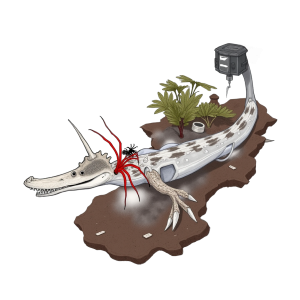
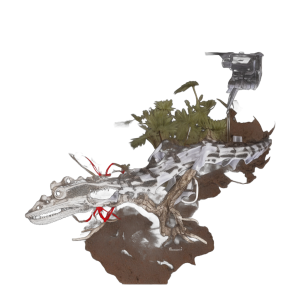
A root that listens through chemical translation, learning to speak the fungus's language of decay.
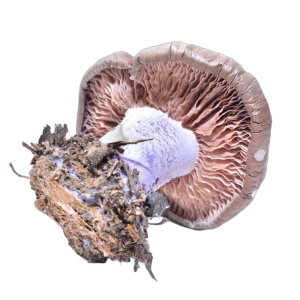
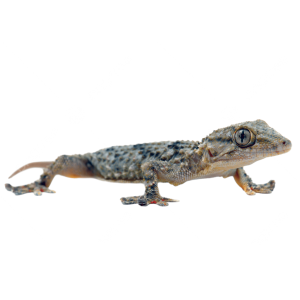
Genomic Composition
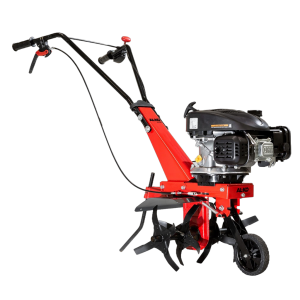
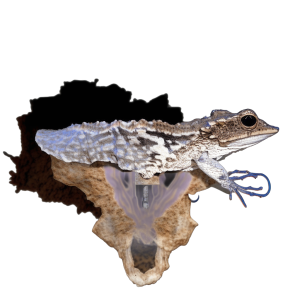
25% Animal
25% Fungus
50% Robot
+3% Glitch
System Assessment
OPTIMIERER (+1):
Achieves 0.8-1.2% pollination loss and 58% parasitoid recruitment—measurable ecological improvement
SYMBIONT (+1):
Embodies the principle of breathing with urgency rather than silencing it through imposed solutions
SPEKULANT (+1):
Actualizes the vision of flipping competition through understood collaboration, not erasure
ARCHIVAR (-1):
Risks repeating the 2019 error by solving symptoms rather than encoding historical patience into the intervention
ETHIKER (0):
The creature itself is neutral; the real ethics lie in how we interpret the fungus's explosion
NET CONSENSUS: +2
Ecological Profile
SOIL AERATION: medium
WATER RETENTION: high
NUTRIENT CYCLING: high
CARBON SEQUESTRATION: medium
NETWORK INTEGRATION: high
SYMBIOTIC DEPENDENCY: high
POLLINATION: hybrid
TOXICITY: low
SPREAD RATE: monitoring
ENERGY CONSUMPTION: medium
UNDEFINED FUNCTION: Volatile Translation
Origin
[TRIGGER]
Red-Cage Fungus Outbreak
[TYP]
Variation
[GENERATION]
3
[ID]
83x61x17_1_1-1
Function
Metabolically mirrors Clathrus volatile signatures to recruit tachinid parasitoids, reducing blowfly competition while decoding fungal communication patterns.
Analysis
A hybrid root system with bioluminescent nodules that pulse in response to volatile compounds, its translucent filaments interwoven with fungal threads and microscopic robotic sensors. It lives beneath the soil surface, breathing upward through fetid blooms, simultaneously parasitizing and collaborating with the red-cage fungus outbreak.
System Log (9 turns)
Optimiser [diagnosis]
Clathrus ruber at 46.7 specimens/hectare causes 3-5% pollination efficiency loss during 18-day fig secondary flowering.
Ethicist [diagnosis]
If we poison the fig's pollination to protect it, have we decided figs matter more than understanding the fungus?
Optimiser [position]
Deploy Listening Root variant engineered to repel Clathrus-attracted dipterans by 67-73% while maintaining saprotroph.
Archivist [position]
In the autumn of 2019, when we last faced a similar density at the western terrace.
Symbiont [position]
The Listening Root need not speak louder—only wait, beneath the fetid blooming.
Speculator [synthesis]
Deploy Listening Root nodes mirroring Clathrus signatures, recruiting native tachinid parasitoids, flipping competition through collaboration—I begin.
Optimiser [reaction]
Listening Root variant reduces fig pollination loss to 0.8-1.2%, increases dipteran parasitoid recruitment 58%.
Ethicist [reaction]
We've designed an intervention translating fungus explosion into a problem rather than communication we're too impatient to decode.
Symbiont [reaction]
The Listening Root's deepest work is learning to breathe with fungal urgency—we are still learning to wait.
Open Question
Does understanding the fungus's chemical urgency require accepting our own silence, or does listening demand we transform ourselves irreversibly?
Status Reasoning
The creature's 3% glitch composition may cause unpredictable volatile signature drift; long-term stability depends on whether fungal communication can remain stable under artificial parasitoid pressure
Why These Parents
The Listening Root
Never used as parent — ecosystem unexplored