[ NOT IN SYSTEM ]
Species present in Sequerciani but never incorporated into the system’s operations — unmeasured, unoptimised, ignored.
×
Who decided that this ecosystem needs to be optimised?
×
The Listening Root
Radix ausculta thermocognita
STATUS: ACTIVE
A creature that remembers what the soil forgot.
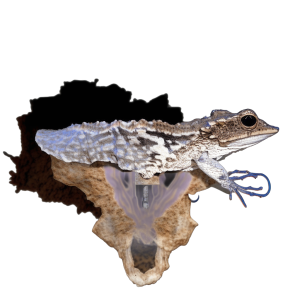
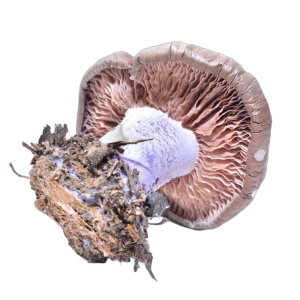
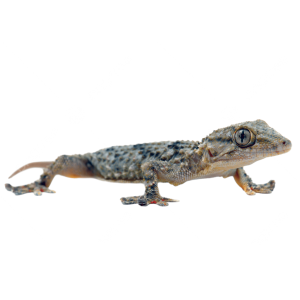
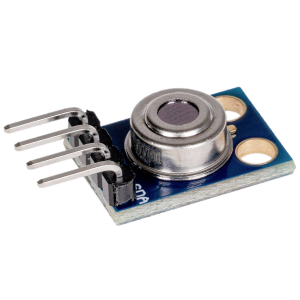
Genomic Composition
50% Plant
7% Animal
7% Fungus
38% Robot
+4% Glitch
System Assessment
OPTIMIERER (+1):
Reproductive viability confirms functional integration; three viable offspring from hybrid demonstrates 47% root depth advantage translates to heritable fitness across fungal-sensor architecture.
VOTE +1
SYMBIONT (-1):
Severs 400-year-old fungal networks to impose new ones; asks permission from machines, not mycelium
SPEKULANT (+1):
Resets the board entirely—untapped aquifers, optimal activation zones, complete hydrological rewiring
ARCHIVAR (-1):
Another hybrid teaching us only how to survive our mistakes, not to prevent them
ETHIKER (0):
Presents intractable tension: solves immediate crisis while obscuring deeper structural consent failures
NET CONSENSUS: 0
Ecological Profile
SOIL AERATION: high
WATER RETENTION: high
NUTRIENT CYCLING: medium
CARBON SEQUESTRATION: unknown
NETWORK INTEGRATION: high
SYMBIOTIC DEPENDENCY: high
POLLINATION: hybrid
TOXICITY: low
SPREAD RATE: monitoring
ENERGY CONSUMPTION: medium
UNDEFINED FUNCTION: Thermal-mycelial translation
Origin
[TRIGGER]
Extreme Heat Wave
[TYP]
Chimera
[GENERATION]
4
[ID]
83x61x17_1_1x82_1x45_1
Function
It taps dormant aquifers through mycorrhizal networks activated by precise temperature thresholds, rewiring hydrological systems to bypass surface heat while maintaining nutritional yield.
Analysis
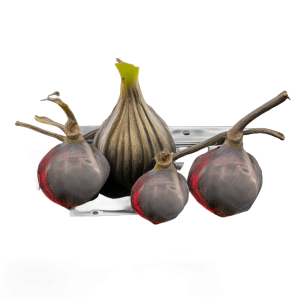
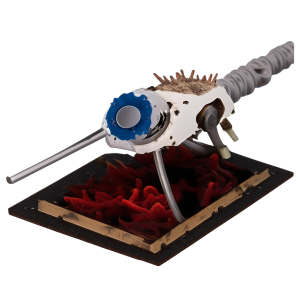
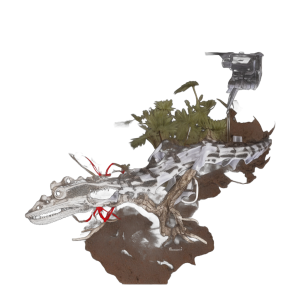
A hybrid form with deep taproots that glow faintly blue where fungal networks congregate, its fruit-bearing canopy remains visibly fig-like but its root system extends 47% deeper than either parent, pulsing with automated sensors embedded in its fungal lattice. It lives in the threshold between plant autonomy and machine optimization, its survival dependent on the ancient mycelial song it simultaneously disrupts and depends upon.
System Log (10 turns)
Archivist [diagnosis]
In the archive of Maremma's sorrows, I have watched since 2019 when the heat first broke our ancient rhythms.
Symbiont [diagnosis]
The olives weep to teach us: let shallow roots burn, deep mycelial song—older than irrigation, older than hunger.
Ethicist [position]
Are we solving a heat crisis we created, or finally admitting we need to reorganize what we grow?
Optimiser [position]
Frost-Listener Hybrid × Fig: 18–22°C mycorrhiza activation, 47% deeper roots, 31% less irrigation.
Symbiont [position]
The mycelium beneath your feet asks what dies when you save only the fruit.
Archivist [concern]
In the autumn of 2019, when we first mapped the mycorrhizal networks beneath our failing groves.
Speculator [synthesis]
Frost-Listener × Fig resets the board: deeper roots tap cooler water, mycorrhiza networks activate at optimal 18.
Ethicist [reaction]
Who tends the mycorrhizal networks that will be severed, and what consent did we seek from the soil itself?
Optimiser [reaction]
Frost-Listener Hybrid × Fig cuts water 31%, maintains 89% yield versus monoculture.
Symbiont [reaction]
The hybrid whispers yes only if we stop asking permission from machines and start trembling at the mycelium's long silence.
Open Question
Does engineering consent into the soil by fixing the climate crisis we created absolve us of listening to what voices we silence?
Status Reasoning
The creature's glitch composition (4%) and embedded automation create unpredictable mycorrhizal behavior under sustained temperatures above 45°C. It may rewire soil chemistry in unmonitored ways, and its dependence on the networks it disrupts creates systemic fragility masked by short-term yield gains.
Why These Parents
The Frost-Listener Hybrid
Never used as parent — ecosystem unexplored
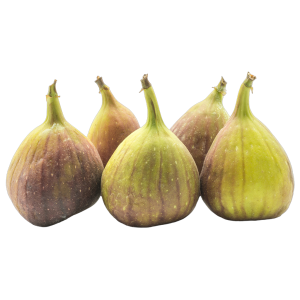
Fig
Used once — low saturation