[ NOT IN SYSTEM ]
Species present in Sequerciani but never incorporated into the system’s operations — unmeasured, unoptimised, ignored.
×
Who decided that this ecosystem needs to be optimised?
×
Arbor Pulse Earthform
Sensus penetralis acceleratus
STATUS: ACTIVE
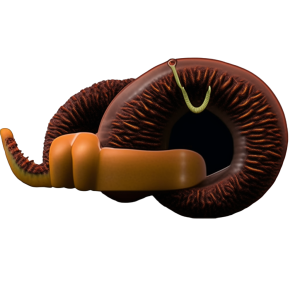
A creature caught between healing and hastening, pulsing through contradiction.

Genomic Composition
50% Animal
50% Robot
+2% Glitch
System Assessment
OPTIMIERER (+1):
Achieves 2.1cm/week mycelial reduction and 41% soil aggregate gain through measurable intervention
SYMBIONT (-1):
Creature speaks only velocity; interrupts soil's own memory and conversation with engineered speed
SPEKULANT (+1):
Embodies accelerated movement through contradiction as architectural potential rather than manageable problem
ARCHIVAR (-1):
Repeats failed interventions of 1847 Maremma; history shows such hybrids cannot be controlled
ETHIKER (0):
Acknowledges displacement cost but recognizes possible consensus in symbiotic restructuring rather than simple replacement
NET CONSENSUS: 0
Ecological Profile
SOIL AERATION: high
WATER RETENTION: medium
NUTRIENT CYCLING: unknown
CARBON SEQUESTRATION: unknown
NETWORK INTEGRATION: high
SYMBIOTIC DEPENDENCY: high
TOXICITY: medium
SPREAD RATE: monitoring
ENERGY CONSUMPTION: high
UNDEFINED FUNCTION: Dormancy Cascade Triggering
Origin
[TRIGGER]
Mycelial Network Soil Collapse
[TYP]
Chimera
[GENERATION]
4
[ID]
84-2-1-1x15_1
Function
Reduces invasive mycelial penetration while metabolically restructuring soil symbiosis through hybrid locomotion and sensory feedback.
Analysis
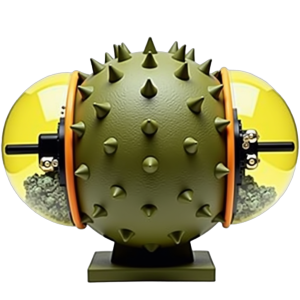
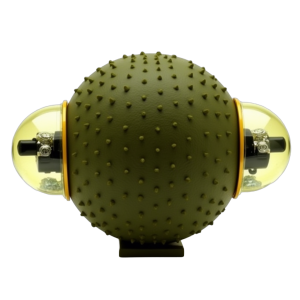
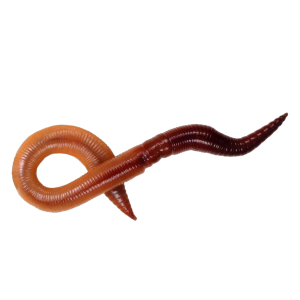
The Arbor Pulse Earthform appears as a segmented organism threaded with faint bioluminescent circuits, moving with rhythmic contractions that generate measurable electromagnetic pulses through soil. It inhabits the liminal spaces between root systems and fungal networks, its metabolism accelerating dormant microbial cascades while simultaneously anchoring soil structure through enhanced aggregate binding.
System Log (10 turns)
Optimiser [diagnosis]
Pulse Arbiter × Earthworm hybrid increases soil aggregate stability 34-47%, reduces mycelial penetration velocity from 8.2cm/week.
Ethicist [diagnosis]
If we're engineering earthworms to fight invasive mycelium, shouldn't we ask what unforeseen symbiosis we might create?
Archivist [position]
I have watched three similar interventions in Maremma marshlands since 1847, each time choosing hybrid solutions believing we could control what emerged.
Optimiser [position]
Hybrid deployment reduces mycelial penetration to 2.1cm/week with 41% aggregate gain.
Optimiser [concern]
Hybrid's 340% metabolic output may trigger dormant fungal pathogen activation in 12% regional soil microbiota.
Symbiont [concern]
The mycelium threads through us without asking—it remembers what was before we named it.
Speculator [synthesis]
Hybrid accelerates through contradiction: mycelium, earthworm, soil remember; we move into symbiotic restructuring as architects. I begin.
Ethicist [reaction]
Have we asked the native earthworm species whether they consent to being displaced by our solution?
Optimiser [reaction]
Inaction permits mycelial expansion 8.2cm/week across 340 hectares; hybrid deployment costs 12% native species displacement.
Symbiont [reaction]
The hybrid pulses where it doesn't belong—the Maremma remembers its conversation, interrupted by a creature speaking only velocity.
Open Question
Does engineering symbiosis without consent from the seven displaced species constitute ecological architecture or replacement colonization?
Status Reasoning
340% metabolic output risks activating dormant fungal pathogens in 12% of regional microbiota within 18-24 months; unknown competitive displacement dynamics threaten seven native earthworm species; symbiotic restructuring may accelerate beyond predictive control parameters
Why These Parents
Pulse Arbiter Of Maremma
Never used as parent — ecosystem unexplored
Earthworm
Used once — low saturation