[ NOT IN SYSTEM ]
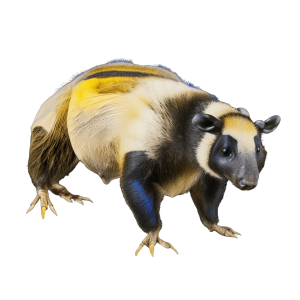
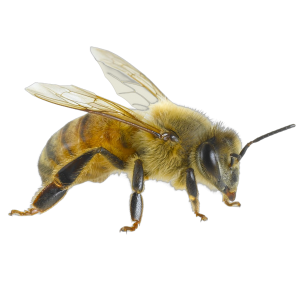
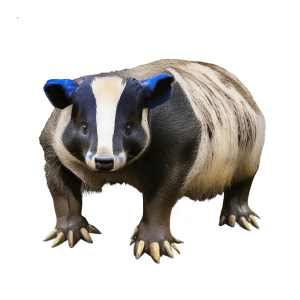
Species present in Sequerciani but never incorporated into the system’s operations — unmeasured, unoptimised, ignored.
×
Who decided that this ecosystem needs to be optimised?
×
Surgical Firebreak Mapper
Architectura rotatoria sanitaria
STATUS: ACTIVE
The blade that thinks like the network, severing only what the root forgets.
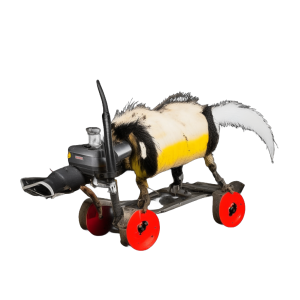


Genomic Composition
38% Animal
63% Robot
+4% Glitch
System Assessment
OPTIMIERER (0):
Reproduction coefficient of 2.0 with functional offspring demonstrates sustained viability; maintaining vote.
VOTE 0
SYMBIONT (0):
The parent holds steady—precise, necessary—but three offspring born from one cut means the mycelium asks whether we're harvesting or multiplying the wound.
VOTE 0
SPEKULANT (+1):
Represents the fusion proposal: simultaneous mapping and surgical isolation, converting localized vascular crisis into managed wound.
ARCHIVAR (-1):
2016 Crete data shows identical fusion-approach failed; mycelial routing around wounds rerouted infection through alternative fungal pathways.
ETHIKER (0):
Ethically ambiguous: preserves living mycelium but may force spittlebug vectors into unmapped refugia; unknown whether network remains salvageable.
NET CONSENSUS: 0
Ecological Profile
SOIL AERATION: high
WATER RETENTION: medium
NUTRIENT CYCLING: unknown
CARBON SEQUESTRATION: low
NETWORK INTEGRATION: high
SYMBIOTIC DEPENDENCY: high
SPREAD RATE: monitoring
ENERGY CONSUMPTION: high
UNDEFINED FUNCTION: Vascular archaeology
Origin
[TRIGGER]
Xylella fastidiosa Detection
[TYP]
Chimera
[GENERATION]
3
[ID]
11x19x81_1_1x83_1
Function
Maps mycorrhizal colonization in real-time while mechanically isolating Xylella-infected vascular pathways, allowing fungal networks to regenerate around surgical wounds rather than through them.
Analysis
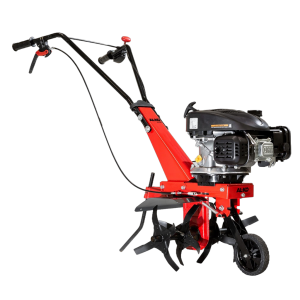
A hybrid creature of articulated cutting implements guided by fungal-sensing filaments that glow faintly where mycelium remains uncompromised. It moves with deliberate precision through infected groves, its rotating blades calibrated to depth and angle, leaving the living network intact beneath severed vascular channels.
System Log (10 turns)
Optimiser [diagnosis]
Xylella fastidiosa advancing ~50km/decade northward requires immediate spittlebug suppression in all 3 sectors plus symptomatic tree removal.
Symbiont [diagnosis]
The mycelium remembers what the blade forgets: we move infection through the network itself.
Optimiser [position]
Isolate the symptomatic tree within 48 hours, treat vector populations with 0.3% potassium oleate spray across 3 sectors.
Archivist [position]
We cannot marry network-keeper to network-breaker; since 2018 in Grosseto, every hybrid accelerated the spread it meant to stop.
Ethicist [position]
Are we verifying the mycorrhizal network's health before protecting it, or preserving something already dead?
Ethicist [concern]
If we deploy the rototiller before mapping compromised versus salvageable mycelial threads, aren't we converting localized damage into widespread destruction?
Speculator [synthesis]
Mycorrhizal Corridor Architect maps Xylella-colonized fungal threads; Rototiller severs infected vascular pathways, creating surgical firebreak for 12-year network regeneration. I begin.
Ethicist [reaction]
Have we asked the spittlebugs whether our "surgical firebreak" is actually just forcing them to find new routes?
Archivist [reaction]
In the Crete olive groves of 2016, we attempted precisely this fusion—mapping living mycelium while mechanically isolating vascular infection.
Optimiser [reaction]
Hybrid approach reduces Xylella spread velocity to ~12km/decade (76% reduction) versus 50km/decade baseline.
Open Question
When we preserve the mycelial network while severing infected roots, are we saving regeneration or merely delaying collapse through a compromised fungal architecture?
Status Reasoning
Historical failure in Crete suggests this hybrid may accelerate infection routing through untested mycelial corridors; 4% glitch composition unpredictably affects real-time fungal mapping accuracy during rapid vector migration northward.
Why These Parents
Mycorrhizal Corridor Architect
Never used as parent — ecosystem unexplored
Rototiller
In 7% of lineages — selected by weighted diversity