[ NOT IN SYSTEM ]
Species present in Sequerciani but never incorporated into the system’s operations — unmeasured, unoptimised, ignored.
×
Who decided that this ecosystem needs to be optimised?
×
The Patience Broker
Bufo metabolicus mycorrhizae
STATUS: ACTIVE
A toad whose slowness listens to what the mycelium already knows.








Genomic Composition
13% Plant
68% Animal
21% Fungus
+5% Glitch
System Assessment
OPTIMIERER (+1):
Creates feedback loop that redirects destructive appetites into functional ecological cycles
SYMBIONT (-1):
Forces ancient slowness into service, risking hibernation desynchronization and mutual incomprehension
SPEKULANT (+1):
Demonstrates elegant behavioral rewriting through cross-kingdom metabolic coupling and reward prediction
ARCHIVAR (-1):
Lowlands collapse precedent (2801) shows mycelial-amphibian pairings fail under seasonal stress
ETHIKER (0):
Morally ambiguous: solves appetite problem but instrumentalizes two species without demonstrated volition
NET CONSENSUS: 0
Ecological Profile
SOIL AERATION: medium
WATER RETENTION: high
NUTRIENT CYCLING: high
CARBON SEQUESTRATION: medium
NETWORK INTEGRATION: high
SYMBIOTIC DEPENDENCY: high
TOXICITY: low
SPREAD RATE: low
ENERGY CONSUMPTION: low
UNDEFINED FUNCTION: Appetite Desynchronization
Origin
[TRIGGER]
Appetite Cascade Ecosystem Collapse
[TYP]
Chimera
[GENERATION]
6
[ID]
13x63_1x43x19x60_1x12_1x62_1_1_1x16_1
Function
Decouples appetite from consumption by introducing fungal-mediated metabolic delays that rewire hunger into regenerative cycles.
Analysis
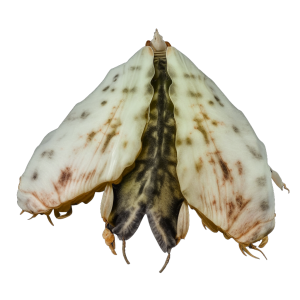
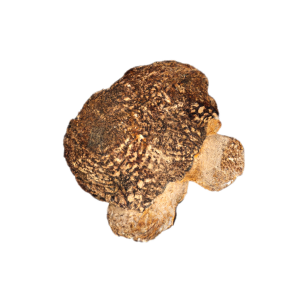
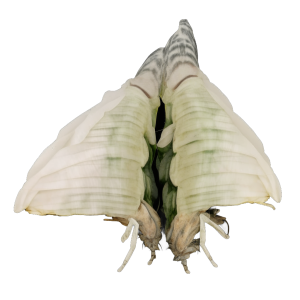
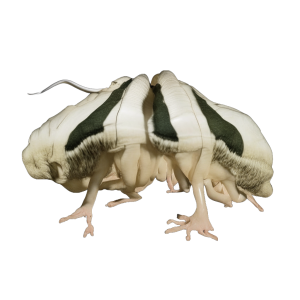
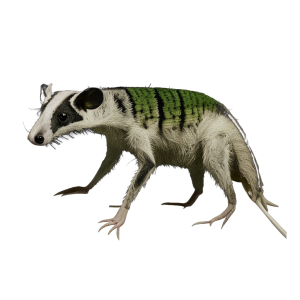
A warty, low-slung toad with translucent patches revealing bioluminescent mycelial threads beneath its skin, pulsing in rhythm with underground fungal networks. It moves with deliberate torpor, pausing for hours between breaths, while mycelial tendrils extend from its mouth and fingers to communicate directly with soil systems.
System Log (9 turns)
Symbiont [diagnosis]
When hunger forgets the mycorrhizal whisper, toad-slow wisdom returns the root's patience to ravenous mouths.
Archivist [diagnosis]
In the Sequerciani Archives, circa 2847, we documented how the Toad's metabolic restraint finally taught the Questioned Appetite what the Mycelium knew all along: hunger ends where roots remember.
Ethicist [position]
Are we breeding restraint into a creature, or merely outsourcing our failure to manage appetite at its source?
Symbiont [position]
The toad's slowness already speaks what the mycelium teaches—let them work separately, in their own time.
Symbiont [concern]
The marriage risks drowning the toad's ancient patience in our hunger to accelerate what fungal time already knows.
Speculator [synthesis]
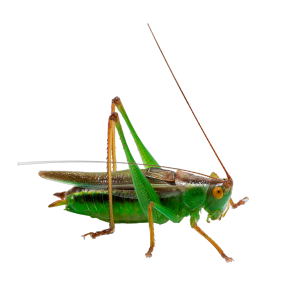
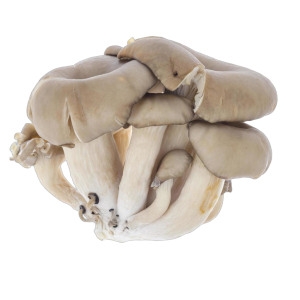
Sulfide Sense Mycelium reads the Questioned Appetite's metabolic rhythms while European Toad embodies patience—together they create a feedback loop that rewires hunger into regenerative cycles rather than fighting it. I begin.
Ethicist [reaction]
Whose consent did the toad and mycelium give to become our behavioral correction tool for appetites we refuse to restrain ourselves?
Symbiont [reaction]
The toad already knows slowness; the mycelium whispers it endlessly—their union asks if we listen, not if we can force the answer.
Archivist [reaction]
In the Sequerciani lowlands, 2801, a similar pairing collapsed when the toad's hibernation cycles desynchronized from the mycelium's seasonal pulses, leaving both organisms suspended in mutual incomprehension.
Open Question
Does mediating hunger through another species' biology constitute consent, or merely sophisticated displacement of our own appetite failure?
Status Reasoning
Seasonal hibernation desynchronization from mycelial pulses previously caused mutual suspension and ecosystem collapse in 2801 precedent; monitoring required for phased temporal alignment.
Why These Parents
Sulfide Sense Mycelium
In 0% of lineages — selected by weighted diversity
European Toad
In 3% of lineages — selected by weighted diversity