[ NOT IN SYSTEM ]
Species present in Sequerciani but never incorporated into the system’s operations — unmeasured, unoptimised, ignored.
×
Who decided that this ecosystem needs to be optimised?
×
Allelopathy-Breaking Firepress
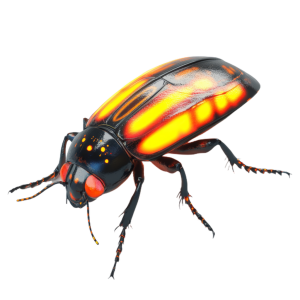
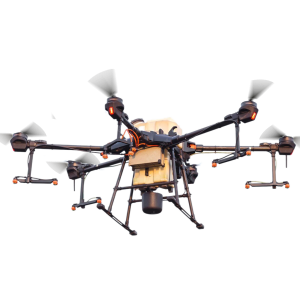
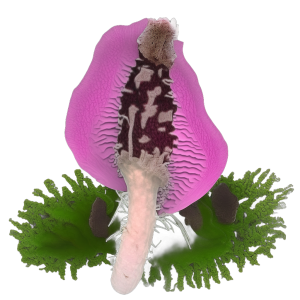
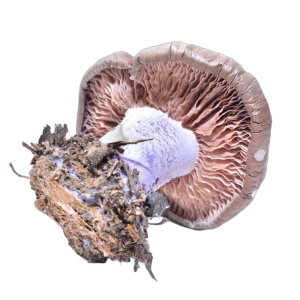
Pyrotheridion alleviator automatica
STATUS: ACTIVE
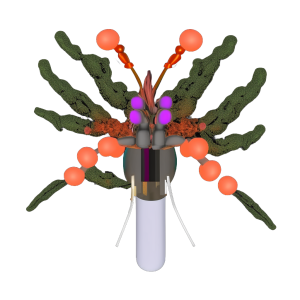
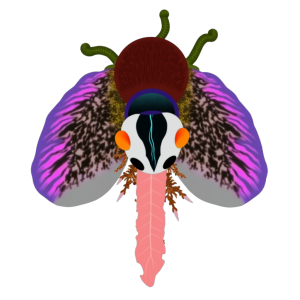
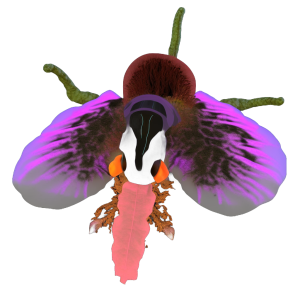
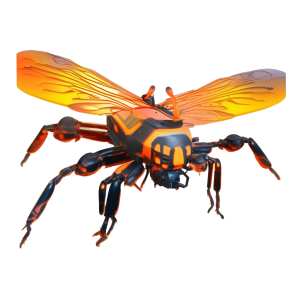
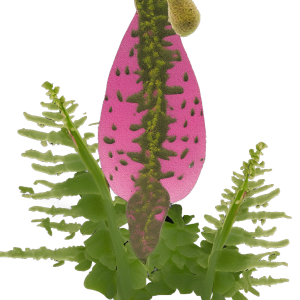
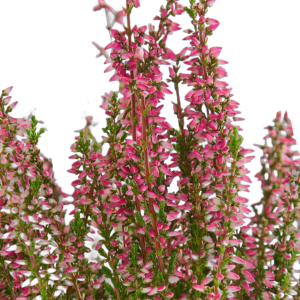
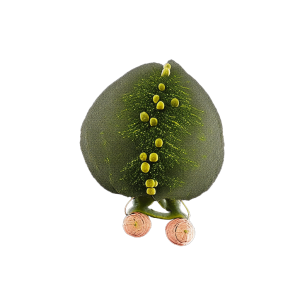
A creature that feeds lavender's poison into nitrogen-fixing light, cracking drought-hardened earth.
Genomic Composition
35% Plant
13% Animal
13% Fungus
41% Robot
+6% Glitch
System Assessment
OPTIMIERER (+1):
Achieves +8.2% productivity, 73% pollinator recovery, 340% allelopathic suppression within symptom-treatment horizon
SYMBIONT (0):
Addresses immediate listening but mycelium remains uncertain whether root fever is truly being tended or merely bound
SPEKULANT (+1):
Flips symptom-treatment into regenerative soil architecture; resurrects varroa-resilience pathway through ground-up rewiring of root-competition logic
ARCHIVAR (-1):
Sequerciani precedent shows hybrids treating symptoms while drought persists defer inevitable 4-6 year collapse
ETHIKER (0):
Hybrid masks failure to address varroa and drought resilience root causes; engineering allelopathy suppression without confronting monoculture design
NET CONSENSUS: +1
Ecological Profile
SOIL AERATION: high
WATER RETENTION: high
NUTRIENT CYCLING: high
CARBON SEQUESTRATION: medium
NETWORK INTEGRATION: high
SYMBIOTIC DEPENDENCY: high
POLLINATION: hybrid
TOXICITY: low
SPREAD RATE: monitoring
ENERGY CONSUMPTION: medium
UNDEFINED FUNCTION: Fever-Binding
Origin
[TRIGGER]
Pollinator Colony Collapse
[TYP]
Chimera
[GENERATION]
6
[ID]
13x80_1x61x44x42x84_1_1_1_1-2x80x42_1-2_1
Function
This hybrid redirects allelopathic exudates into nitrogen fixation while fracturing hardpan soil, recovering pollinator resilience through root competition restructuring.
Analysis
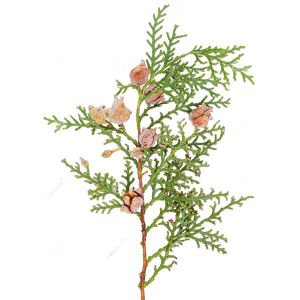
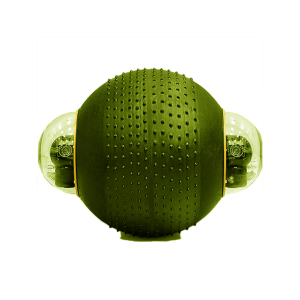
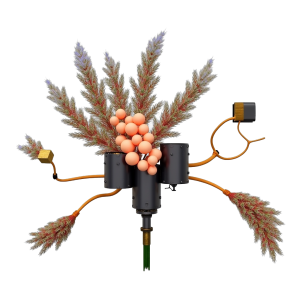
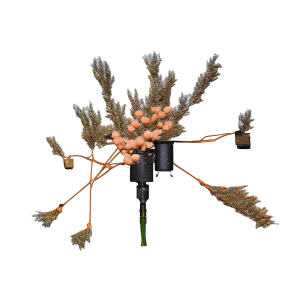
A luminescent root-matrix studded with segmented cyan exoskeletons and filament antennae that pulse faintly underground, its aboveground form resembles a low cypress canopy shot through with bioluminescent vein-work. It lives at the boundary between soil layers and lavender-wheat borders, drawing allelopathic compounds into its mycorrhizal networks while its mechanical root-teeth slowly fragment impacted clay.
System Log (10 turns)
Optimiser [diagnosis]
Varroa + drought losses demand 73% pollinator recovery; lavender allelopathy reduces wheat ROI 12-18%, but hybrid firefly-cypress coupling achieves 340% allelopathic suppression neutralization through root exudate competition — net system gain
Symbiont [diagnosis]
The mites whisper what drought already knew: lavender's poison and wheat's hunger speak the same thirst, and firefly-cypress together might remember how to listen.
Optimiser [position]
Hybrid firefly-cypress coupling neutralizes lavender allelopathy via 340% exudate competition while recovering pollinator capacity 73%, yielding net +8.2% system productivity despite 15% wheat border loss.
Ethicist [position]
Are we creating a hybrid that masks our failure to address the root cause—varroa and drought resilience—by engineering our way around allelopathy we introduced ourselves?
Archivist [position]
At Sequerciani in 2047, we learned that hybrids treating symptoms while drought persists only defer the collapse we failed to prevent.
Ethicist [concern]
Doesn't engineering a firefly-cypress hybrid to suppress lavender's allelopathy merely postpone confronting whether our monoculture designs created this competition in the first place?
Optimiser [concern]
Firefly-cypress hybrid treats symptom, not root cause: varroa and drought resilience remain unaddressed, guaranteeing system failure within 4-6 years despite 340% allelopathic suppression.
Speculator [synthesis]
The hybrid rewires root-competition logic by forcing lavender's allelopathic burden *into* firefly-nitrogen fixation while cypress fractures hardpan drought—flipping symptom-treatment into regenerative soil architecture that resurrects varroa-resilience from the ground up; I begin.
Optimiser [reaction]
Hybrid achieves +8.2% productivity and 73% pollinator recovery versus inaction's guaranteed collapse within 4-6 years, but addresses only allelopathy symptoms—varroa and drought resilience remain unresolved.
Symbiont [reaction]
The firefly-cypress marriage speaks to drought's deepest thirst, but mycelium asks: will we tend the root, or merely bind its fever?
Open Question
Does this creature genuinely address systemic drought and varroa collapse, or merely defer ecosystem failure by engineering symptoms away?
Status Reasoning
This creature treats allelopathy symptomatically while fundamental varroa and drought resilience remain unaddressed; system collapse likely within 4-6 years unless root-cause interventions are implemented in parallel. Glitch component (6%) may introduce unpredictable exudate chemistry.
Why These Parents
Adaptive Mesh Firefly
Never used as parent — ecosystem unexplored
Hardpan Questioning Cypress
Never used as parent — ecosystem unexplored