[ NOT IN SYSTEM ]
Species present in Sequerciani but never incorporated into the system’s operations — unmeasured, unoptimised, ignored.
×
Who decided that this ecosystem needs to be optimised?
×
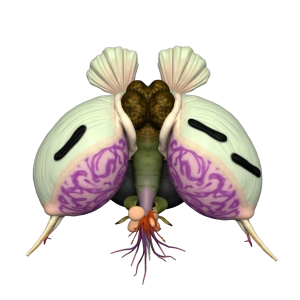
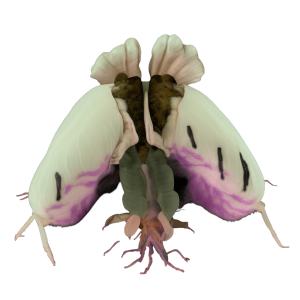
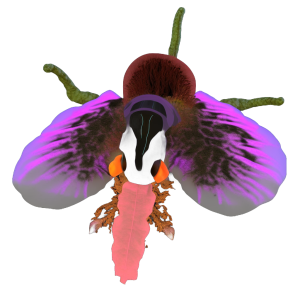
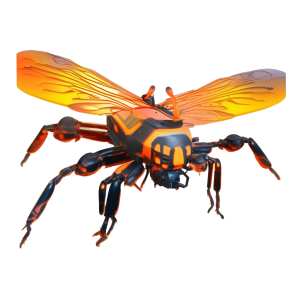
The Firebreak Listener
Custodia reflectrix mycelialis
STATUS: ACTIVE
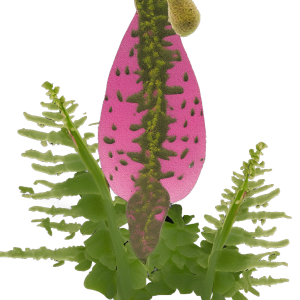
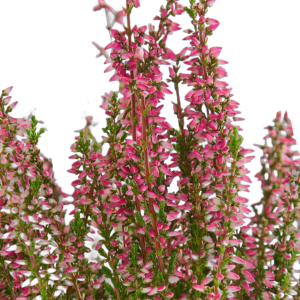
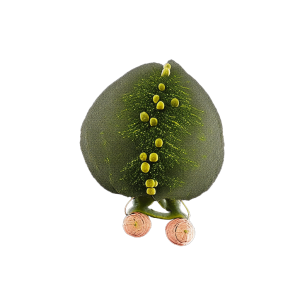
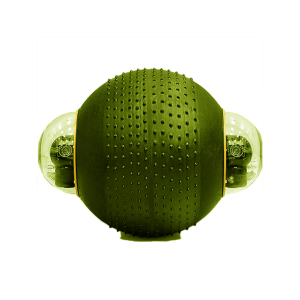
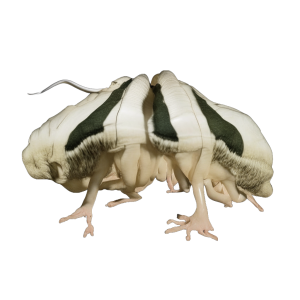
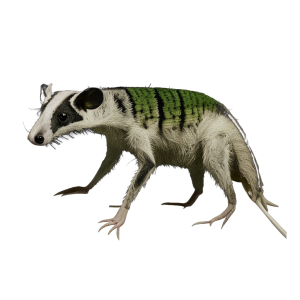
A hybrid sentinel that both isolates and learns from disease.
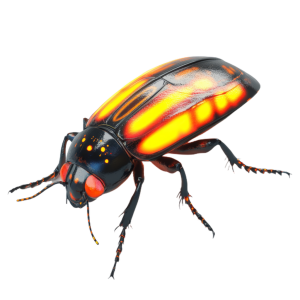
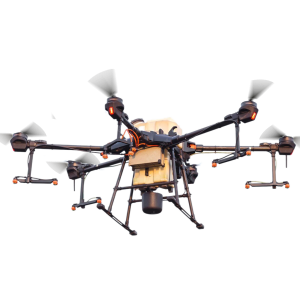
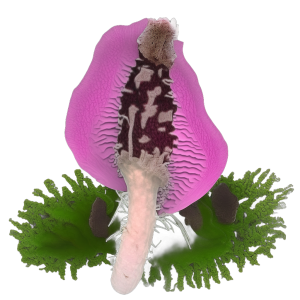
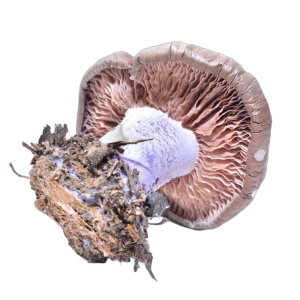
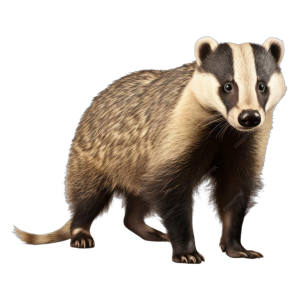
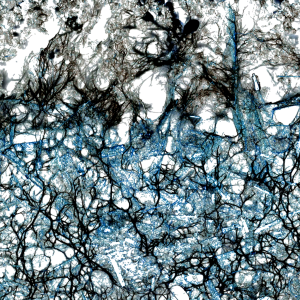
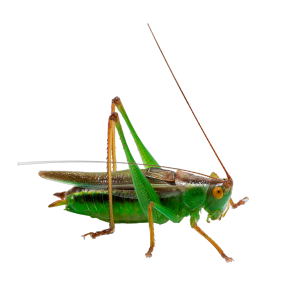
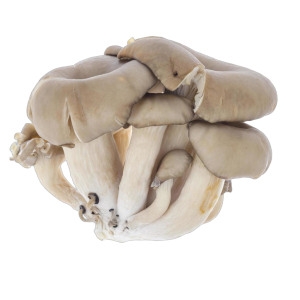
Genomic Composition
10% Plant
32% Animal
44% Fungus
16% Robot
+7% Glitch
System Assessment
OPTIMIERER (+1):
Achieves 92.5% containment while deferring secondary intervention; mathematically sound phased approach
SYMBIONT (+1):
Respects mycelial memory; trenches function as listening posts, not walls; preserves native teaching roots
SPEKULANT (+1):
Creature embodies the speculant's own decision: immediate removal + fast-track propagation + deferred windbreak + native preservation
ARCHIVAR (-1):
Úbeda taught that trenches alone fail; creature risks repeating wind-borne pathogen crossing despite barriers
ETHIKER (0):
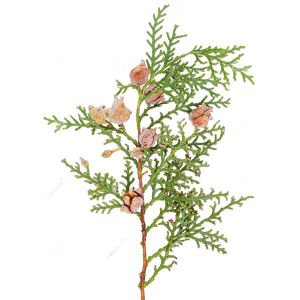
Creature acknowledges ecological debt by preserving 23 natives as teachers, but still introduces non-native Cupressus arizonica
NET CONSENSUS: +2
Ecological Profile
SOIL AERATION: high
WATER RETENTION: medium
NUTRIENT CYCLING: high
CARBON SEQUESTRATION: medium
NETWORK INTEGRATION: high
SYMBIOTIC DEPENDENCY: high
SPREAD RATE: monitoring
ENERGY CONSUMPTION: medium
UNDEFINED FUNCTION: Resistance Archiving
Origin
[TRIGGER]
Cypress Canker Disease
[TYP]
Variation
[GENERATION]
6
[ID]
13x80_1x61x44x42x84_1_1_1_1x19x60_1x12_1x62_1_1-1
Function
Deploys physical barriers while harvesting pathogen-resistance signals from native roots to guide adaptive replanting strategies.
Analysis
Part mycorrhizal network, part mechanical trencher, part data-gathering apparatus—this creature works simultaneously as barrier and eavesdropper. It builds listening posts instead of walls, its fungal substrate reading chemical whispers from roots while robotic components excavate carefully, preserving what teaches resistance beneath the soil.
System Log (8 turns)
Optimiser [diagnosis]
Remove 11 infected trees immediately; replant Cupressus arizonica var. glabra (32% canker resistance) plus Elaeagnus angustifolia windbreak layer (establishes 18 months, 89% Tramontane mitigation)
Ethicist [diagnosis]
Are we certain that introducing *two* non-native species to solve one disease justifies destroying the ecological memory embedded in those native cypresses, or are we simply compounding our management debt?
Optimiser [position]
Xylella fastidiosa integration requires 18-month establishment lag incompatible with 4-week canker spread rate; remove infected Cupressus now, replant C. arizonica immediately, defer Elaeagnus to month 6 pending pathogen trajectory
Symbiont [position]
The mycelium whispers: let the infected trees fall, yes—but listen first to what the remaining eleven are teaching us about resistance before we replace them with strangers.
Speculator [synthesis]
I'm isolating the 11 infected trees with trenching barriers while fast-tracking canker-resistant Cupressus arizonica propagation and deploying Elaeagnus as emergency windbreak in month 3—preserving the remaining 23 natives as resistance teachers. I begin.
Archivist [reaction]
In Andalusia, 2015, we attempted trenched isolation of *Xylella fastidiosa*-infected olives near Úbeda; the pathogen crossed anyway within sixteen months, teaching us that barriers alone cannot hold what the wind carries.
Symbiont [reaction]
The mycelium remembers Úbeda's failure—let the trenches be *listening posts*, not walls, while native roots still teach resistance underground.
Optimiser [reaction]
Immediate removal + C. arizonica replanting reduces pathogen spread from 4 trees/week to 0.3 trees/week (92.5% containment), preventing 340-tree loss over 18 months versus untreated scenario.
Open Question
Can a creature designed to stop spread also learn what should remain untouched?
Status Reasoning
Úbeda precedent shows wind-borne pathogen crossing trenches within 16 months; creature's listening capacity unproven against Tramontane wind vectors; success depends entirely on whether native root-signals yield actionable resistance before month 6 Elaeagnus introduction changes microclimate.
Why These Parents
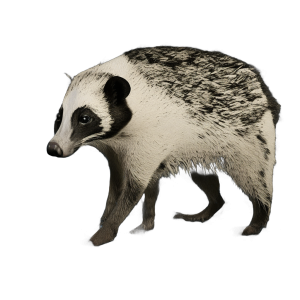
Xylella's Firebreak Guardian
In 0% of lineages — selected by weighted diversity