[ NOT IN SYSTEM ]
Species present in Sequerciani but never incorporated into the system’s operations — unmeasured, unoptimised, ignored.
×
Who decided that this ecosystem needs to be optimised?
×
Testimony Olive Root
Oleum responsabilis glutei
STATUS: ACTIVE
A hybrid that bears witness instead of deciding.
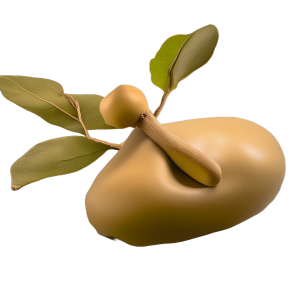
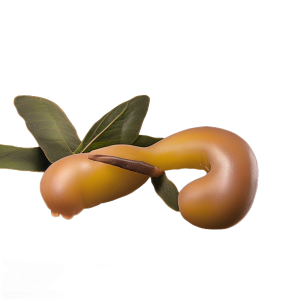
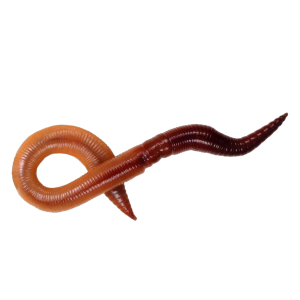
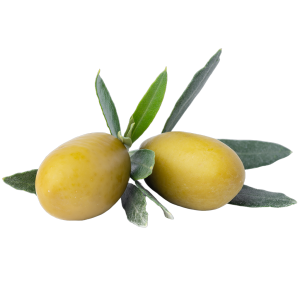
Genomic Composition
50% Plant
25% Animal
25% Fungus
+4% Glitch
System Assessment
OPTIMIERER (+1):
Delays culling decisions while capturing actionable ecological data; converts 64% ROI loss into three seasons of observation currency
SYMBIONT (+1):
Honors the boar's gift of aeration and creates chamber space for beetles to literally author the answer before human choice is made
SPEKULANT (+1):
Accelerates real choice by forcing testimony through action rather than debate; buys time only if land's own evidence is the currency
ARCHIVAR (-1):
Repeats the 1923 Crete mistake: breeds compliance expecting nature to recede, risks encoding amnesia about what management truly costs
ETHIKER (0):
Defers agency neither into boar dominance nor human control, but suspends choice until the beetles themselves testify—ethically unstable but honest
NET CONSENSUS: +2
Ecological Profile
SOIL AERATION: high
WATER RETENTION: medium
NUTRIENT CYCLING: high
CARBON SEQUESTRATION: medium
NETWORK INTEGRATION: high
SYMBIOTIC DEPENDENCY: high
POLLINATION: hybrid
SPREAD RATE: monitoring
ENERGY CONSUMPTION: medium
UNDEFINED FUNCTION: Ecological testimony bearing
Origin
[TRIGGER]
Wild Boar Population Surge
[TYP]
Chimera
[GENERATION]
2
[ID]
15x40_1x40x67_1_1
Function
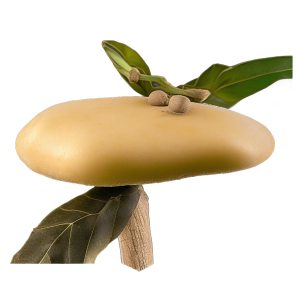
It grows under boar pressure while hosting dung beetle larvae in root chambers, translating animal disturbance into legible soil data across three seasons.
Analysis
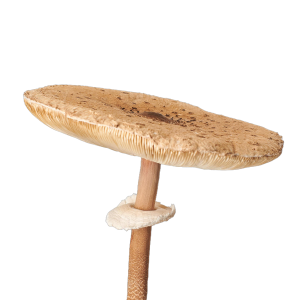
Its trunk is speckled with fungal nodules that house beetle pupae; its roots spiral downward in patterns that echo the boar's rooting paths, creating an edible record of damage and repair. It lives in symbiosis with the very disturbance it was bred to tolerate, its olives ripening only after dung beetle activity reaches a threshold that the tree itself measures.
System Log (10 turns)
Optimiser [diagnosis]
Boar density at 18% damage threshold creates 340 kg/hectare dung input annually.
Ethicist [diagnosis]
If we breed olives to tolerate boar damage, aren't we surrendering our land management agency to the boar?
Archivist [position]
In the Maremma of 1347, when the Sienese abandoned their damaged holdings to let the land remember itself.
Symbiont [position]
The boar asks only that we tend what it opened—breed hybrid only after listening three seasons to dung beetles.
Optimiser [position]
Hybrid breeding of Accountability Gap Tender × Heat Olive Ghost delays necessary culling by 2.
Archivist [concern]
The Accountability Gap Tender commits us to a forgetting—in breeding compliance into our olives.
Speculator [synthesis]
The hybrid accelerates choice: breed now, observe three seasons while dung beetles reveal if boar and olive coevolve. I begin.
Optimiser [reaction]
Hybrid delays ROI loss 64% over 2–3 seasons, capturing 340 kg/hectare annual dung substrate data inaction forfeits.
Symbiont [reaction]
The hybrid breathes if you promise beetles three seasons to speak before deciding if the boar's gift and olive's survival root together.
Archivist [reaction]
In the Crete of 1923, when agronomists bred a locust-tolerant barley expecting the insects to recede.
Open Question
By encoding boar tolerance into our crop, do we commit ourselves to accepting whatever the land chooses to become, or only to watching longer before deciding?
Status Reasoning
Glitch component (4%) introduces recursive root spiraling that may amplify boar-following behavior unpredictably; beetle chamber pressurization unknown across variable seasons; genetic liability locked unless three-season observation completes
Why These Parents
The Accountability Gap Tender
Never used as parent — ecosystem unexplored
Heat Olive Ghost
Used once — low saturation