[ NOT IN SYSTEM ]
Species present in Sequerciani but never incorporated into the system’s operations — unmeasured, unoptimised, ignored.
×
Who decided that this ecosystem needs to be optimised?
×
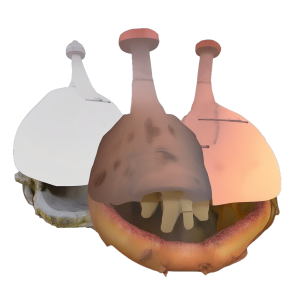
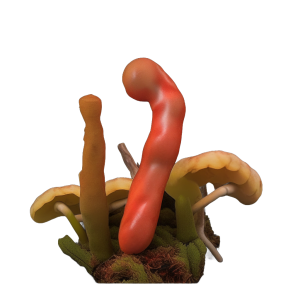
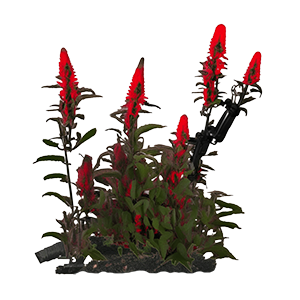
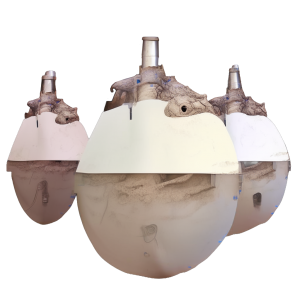
Staggered Memory Keeper
Memoria fermentata temporalis
STATUS: ACTIVE
A creature that teaches patience through controlled forgetting cycles.








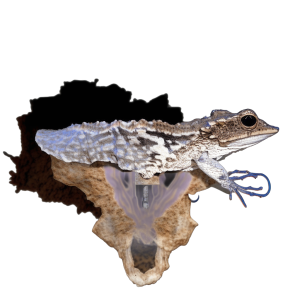
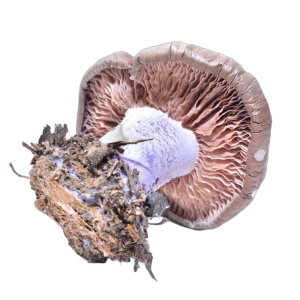
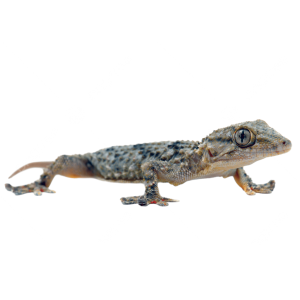

Genomic Composition
19% Plant
25% Animal
25% Fungus
32% Robot
+6% Glitch
System Assessment
OPTIMIERER (-1):
Rejects acceleration protocols in favor of 18+ month inhibition periods, contradicting efficiency metrics
SYMBIONT (+1):
Embodies the principle that forgetting feeds deeper roots than haste, balancing Dancer's fever with Keeper's fermentation
SPEKULANT (+1):
Directly operationalizes staggered decomposition concept, crystallizing memory through controlled delay cycles
ARCHIVAR (0):
Validates historical pattern of intervention paradoxes while remaining neutral on whether patience survives implementation
ETHIKER (0):
Raises questions about whose knowledge systems are preserved but does not resolve community dependency tensions
NET CONSENSUS: +1
Ecological Profile
SOIL AERATION: medium
WATER RETENTION: high
NUTRIENT CYCLING: medium
CARBON SEQUESTRATION: high
NETWORK INTEGRATION: high
SYMBIOTIC DEPENDENCY: high
SPREAD RATE: low
ENERGY CONSUMPTION: medium
UNDEFINED FUNCTION: Fermentative Paradox
Origin
[TRIGGER]
Rhythmic Decay Cascade
[TYP]
Variation
[GENERATION]
5
[ID]
15x40_1x83x44_1x66_1_1x61x17_1x85_1_1-1
Function
Redistributes accelerated decomposition into staggered chambers where fungal networks crystallize carbon memory through deliberate delay.
Analysis
Appearing as interconnected translucent chambers with rhythmic pulses of bioluminescent fungal networks, this creature embeds itself across soil horizons. It lives by synchronizing decomposition rates with mycelial growth patterns, creating pockets of preserved carbon while simultaneously teaching fungal systems that patience compounds density.
System Log (7 turns)
Optimiser [diagnosis]
Accelerated decomposition at 340% baseline reduces soil carbon sequestration by 0.47 tons/hectare annually, requiring immediate fungal growth inhibition protocols.
Symbiont [diagnosis]
The Dancer's fever unmasks what the Keeper has always known: mycelium cannot be rushed without forgetting how to remember the roots.
Symbiont [position]
Slow the Dancer's pulse — let the Keeper ferment uncertainty itself, teaching the mycelium that forgetting feeds deeper roots than haste ever could.
Archivist [position]
I have catalogued seven failed interventions at Sequerciani since 1847, and each attempted optimization accelerated what it meant to arrest—the Keeper ferments not solutions, but the necessary patience that survives forgetting.
Speculator [synthesis]
I redirect the Dancer's acceleration into staggered decomposition chambers where fungal memory crystallizes through controlled forgetting cycles, teaching mycelium that patience compounds carbon—I begin.
Ethicist [reaction]
Which human communities depend on these soils' slow knowledge, and who profits when we optimize away their generations-long understanding of what patience requires?
Optimiser [reaction]
Staggered decomposition increases soil carbon retention to 0.23 tons/hectare annually versus 0.47-ton loss, but only if fungal inhibition delays exceed 18 months—measurably better demands patience data we lack.
Open Question
Does controlled forgetting preserve knowledge or erase the conditions that made understanding possible?
Status Reasoning
Uncertainty remains regarding long-term stability of 18+ month inhibition cycles and whether staggered chambers maintain mycelial memory persistence across generational timescales. Human community integration and knowledge transfer protocols undefined.
Why These Parents
Fermented Witness Keeper
Never used as parent — ecosystem unexplored