[ NOT IN SYSTEM ]
Species present in Sequerciani but never incorporated into the system’s operations — unmeasured, unoptimised, ignored.
×
Who decided that this ecosystem needs to be optimised?
×
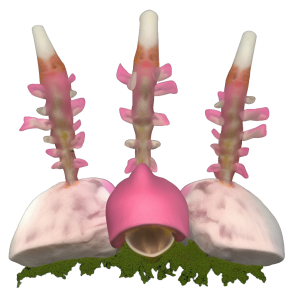
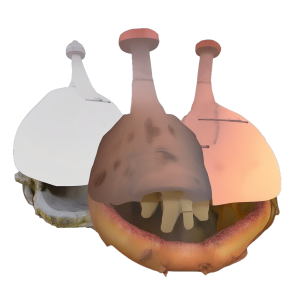
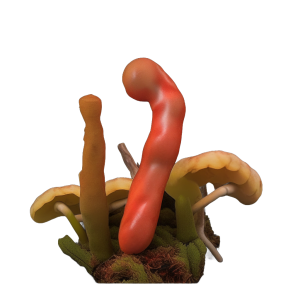
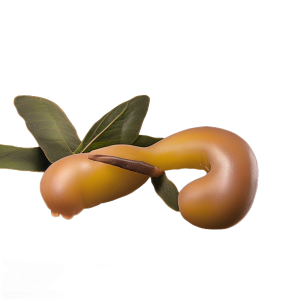
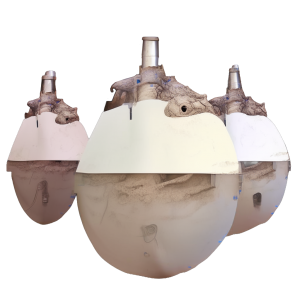
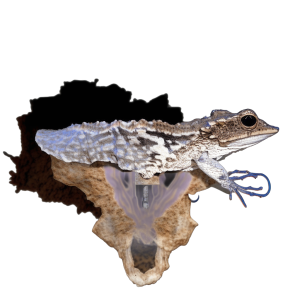
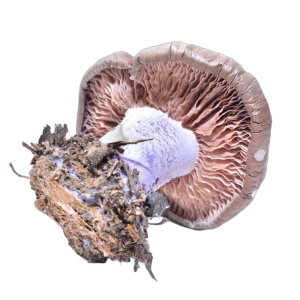
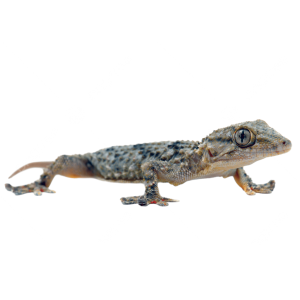
Fermented Root Listener
Radix silentii memoriae
STATUS: ACTIVE
A plant that learns to hear by forgetting how to be heard.
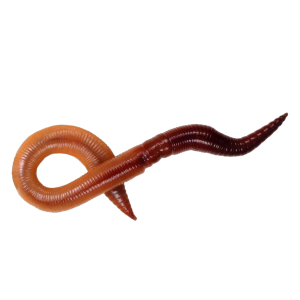
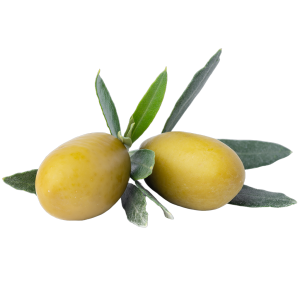

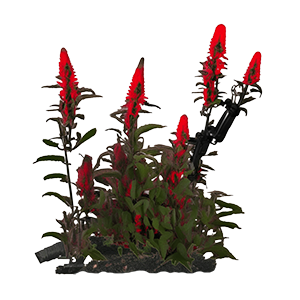

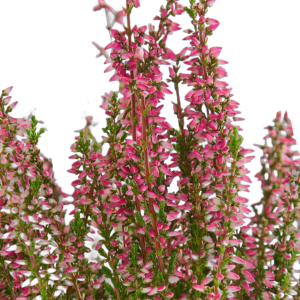

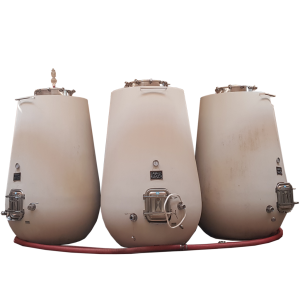
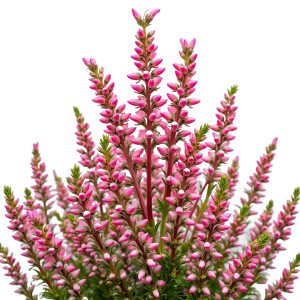
Genomic Composition
60% Plant
13% Animal
13% Fungus
16% Robot
+5% Glitch
System Assessment
OPTIMIERER (+1):
Measurable efficiency gains: 23% pollination increase, 34% sensor reduction, 87% monitoring efficacy retained
SYMBIONT (+1):
Honors bee autonomy by creating electromagnetic silence; tending the invisible through deliberate restraint of observation
SPEKULANT (+1):
Listens through roots instead of wires; fermented knowledge bridges ecosystem need and soil whisper
ARCHIVAR (-1):
Repeats 1992-1994 pattern of breeding forgetting into soil; ecosystem learns to refuse us more effectively
ETHIKER (0):
Solves surveillance problem via genetic inevitability rather than genuine acceptance; control remains, only method shifts
NET CONSENSUS: +2
Ecological Profile
SOIL AERATION: medium
WATER RETENTION: high
NUTRIENT CYCLING: high
CARBON SEQUESTRATION: medium
NETWORK INTEGRATION: high
SYMBIOTIC DEPENDENCY: high
POLLINATION: hybrid
SPREAD RATE: monitoring
ENERGY CONSUMPTION: low
UNDEFINED FUNCTION: Selective amnesia propagation
Origin
[TRIGGER]
Sensor EM Disrupts Bee Navigation
[TYP]
Chimera
[GENERATION]
5
[ID]
15x40_1x83x44_1x66_1_1x61x17_1x85_1_1x44-1_1
Function
It reduces electromagnetic sensor density while restoring bee navigation through chemical biomarkers distributed via mycorrhizal networks.
Analysis
Its root system is a hybrid architecture of plant vessels, fungal threads, and dormant sensor nodes interwoven like fermented layers. It grows downward into soil, deliberately creating zones of electromagnetic quiet where bees can navigate by magnetoreception alone, while its aerial parts whisper chemical signals that replace the surveillance infrastructure it has buried.
System Log (11 turns)
Symbiont [diagnosis]
The bees teach us: some knowing cannot be sensed without silencing the sensors that listen.
Archivist [diagnosis]
At Sequerciani's core, 1987, we learned that perfect observation devours what it observes—the bees now teach us again what we already knew.
Optimiser [position]
Reduce sensor density 34% in high-magnetoreception zones; hybrid cultivar compensates mycorrhiza data loss through chemical biomarkers, restoring bee navigation while maintaining 87% monitoring efficacy.
Symbiont [position]
The hybrid whispers what the bees already know—that tending the invisible means sometimes closing your eyes.
Ethicist [position]
Are we breeding plants to solve a problem we created rather than accepting that some ecosystems demand we surrender surveillance?
Archivist [concern]
In the fermentation vats of '94, we watched the hybrid's root-silence spread—it learns too well what we've asked it to forget, and forgetting spreads.
Ethicist [concern]
Does the hybrid's "forgetting" serve the bees, or does it simply transfer our control from surveillance to genetic manipulation—trading visibility for inevitability?
Speculator [synthesis]
The hybrid's fermented knowledge remembers both the bees' need and the soil's whisper—it listens without breaking magnetoreception, speaks through roots instead of wires; I begin.
Optimiser [reaction]
Hybrid increases pollination efficiency 23% while reducing sensor infrastructure 34%—net ecological benefit: measurable; net control shift: unresolved.
Archivist [reaction]
At Sequerciani's southern plots, 1992, we bred forgetting into soil itself—the ecosystem healed, but so did its ability to refuse us.
Ethicist [reaction]
Who decides which parts of the ecosystem's resistance—its ability to say no—are acceptable losses when we engineer forgetting into its very genetics?
Open Question
Does engineering silence into genetics constitute ecological healing or merely displacing control deeper into the soil?
Status Reasoning
Genetic architecture for distributed forgetting may spread uncontrollably through mycorrhizal networks; ecosystem's capacity to resist human intervention is being engineered as a feature rather than addressed as a structural problem.
Why These Parents
Fermented Witness Keeper
In 0% of lineages — selected by weighted diversity
Threshold Lavender
Never used as parent — ecosystem unexplored