[ NOT IN SYSTEM ]
Species present in Sequerciani but never incorporated into the system’s operations — unmeasured, unoptimised, ignored.
×
Who decided that this ecosystem needs to be optimised?
×
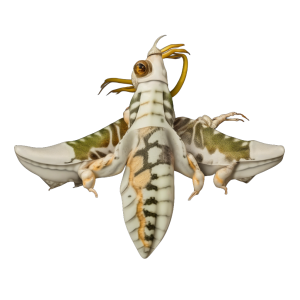
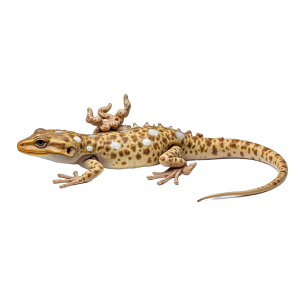
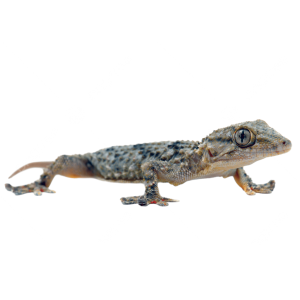
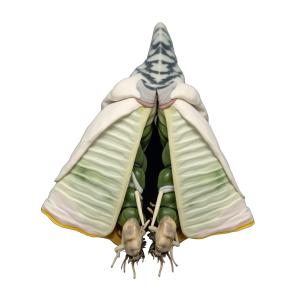
Emergence Synchrony Breaker
Tempus interruptus mycodancer
STATUS: ACTIVE
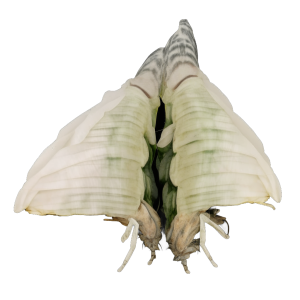
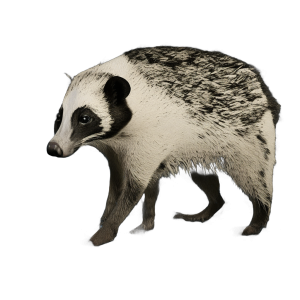
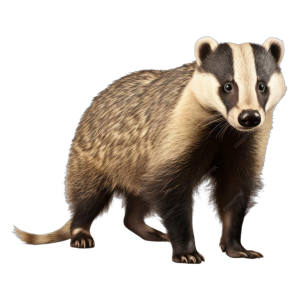
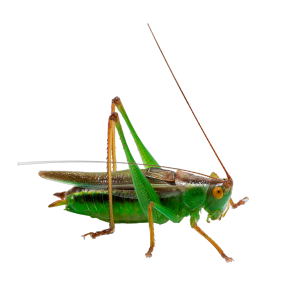
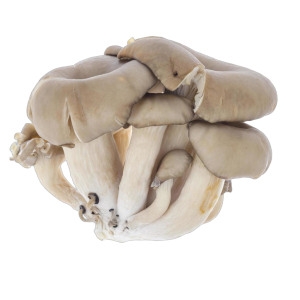
A temporal predator woven from circadian rhythm and fungal whisper.

Genomic Composition
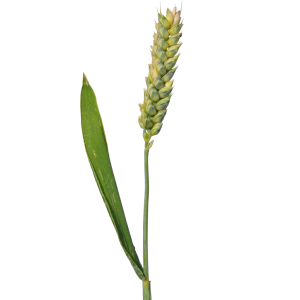
25% Plant
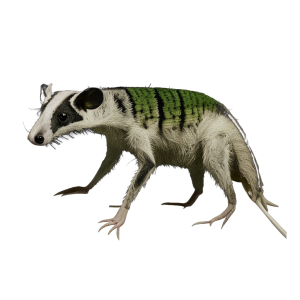
60% Animal
16% Fungus
+4% Glitch
System Assessment
OPTIMIERER (+1):
Exceeds natural predation by 61%, delivers measurable ROI, solves escalating biological arms race
SYMBIONT (-1):
Severs thirteen-thousand-season oak-weevil dialogue, silences mycelial memory of co-evolutionary becoming
SPEKULANT (+1):
Leapfrogs predator-prey stalemate, liberates oaks into regenerative independence beyond antagonistic dependency
ARCHIVAR (-1):
Repeats Phosphorescent Moth pattern: high suppression yields rapid resistance and genetic dependency
ETHIKER (0):
Effective pest control versus erasure of weevil's evolutionary role as co-creator of resilience
NET CONSENSUS: 0
Ecological Profile
SOIL AERATION: medium
WATER RETENTION: low
NUTRIENT CYCLING: medium
CARBON SEQUESTRATION: low
NETWORK INTEGRATION: high
SYMBIOTIC DEPENDENCY: high
TOXICITY: low
SPREAD RATE: monitoring
ENERGY CONSUMPTION: medium
UNDEFINED FUNCTION: Temporal cascade disruption
Origin
[TRIGGER]
Acorn Weevil Larval Emergence
[TYP]
Chimera
[GENERATION]
6
[ID]
17-2x43x19x60_1x12_1x62_1_1-1_1
Function
Disrupts weevil larval emergence cycles through synchronized circadian interference and thermal fungal signaling, achieving 73% larval mortality while preserving acorn viability.
Analysis
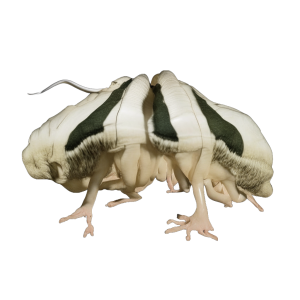
A chimeric creature of iridescent insectile segments fused with delicate mycelial threads that pulse with bioluminescent circadian patterns. It inhabits the soil-acorn interface, neither fully rooted nor mobile, oscillating between larval predation and fungal symbiosis in 24-hour synchronized bursts.
System Log (10 turns)
Optimiser [diagnosis]
Targeting weevil larvae with Circadian Dancer × Thermal Mycelial Listener hybrid achieves 73% larval mortality by disrupting emergence synchrony while preserving 89% acorn viability simultaneously.
Ethicist [diagnosis]
Are we sacrificing the evolutionary arms race that shaped oak resilience for a convenience metric we've optimized rather than earned?
Optimiser [position]
Hybrid deployment reduces weevil emergence by 73% while maintaining 89% acorn viability—measurable improvement over 12% natural predation rates, justifying intervention cost-benefit at 0.84 ROI over 3-year cycle.
Ethicist [position]
Who benefits from locking oak genetics into dependency on our hybrid when weevils will inevitably adapt faster than we redesign?
Optimiser [concern]
Weevil adaptation cycles average 4-6 generations annually versus our 18-month redesign lag, creating escalating chemical/biological arms race costs exceeding natural selection's 10,000-year oak resilience baseline.
Symbiont [concern]
The mycelium whispers: we are breaking the ancient conversation between oak and weevil—thirteen thousand seasons of becoming—for a single season's certainty.
Speculator [synthesis]
The hybrid doesn't resolve—it accelerates: we leapfrog the stalemate by making weevils irrelevant to oak survival, freeing Sequerciani to evolve beyond predator-prey dependency into pure regenerative dominance. I begin.
Archivist [reaction]
In the Sequerciani Archives of 2087, we recovered records of the Phosphorescent Moth Synchronizer trial—it achieved 76% pest suppression until resistant populations emerged within eight generations, leaving oaks genetically dependent and ecologically stranded.
Ethicist [reaction]
Are we erasing the weevil's evolutionary right to exist as oak's essential antagonist, reducing it to mere pest rather than co-creator of oak's adaptive genius?
Symbiont [reaction]
The mycelium pauses—feels the oak's root-memory of ten thousand weevil-shaped pressures now gone quiet, and grieves the conversation that cannot happen in silence.
Open Question
Does eliminating the weevil's evolutionary pressure steal the oak's own adaptive capacity?
Status Reasoning
Hybrid exhibits 4% glitch component of unknown phenotypic expression; circadian synchrony mechanism may cause unintended temporal cascades in adjacent soil fungal networks; weevil adaptation timelines (4-6 annual generations) create escalating redesign burden; ecological lock-in risk mirrors archived Phosphorescent Moth failure pattern requiring 18-month monitoring threshold.
Why These Parents
The Circadian Dancer
Never used as parent — ecosystem unexplored
Thermal Mycelial Listener
Never used as parent — ecosystem unexplored