[ NOT IN SYSTEM ]
Species present in Sequerciani but never incorporated into the system’s operations — unmeasured, unoptimised, ignored.
×
Who decided that this ecosystem needs to be optimised?
×
Phenology Cascader Mycelium
Mycorhiza accelera temporalis
STATUS: ACTIVE
A fungal accelerant that forces temporal synchrony through volatile chemistry.
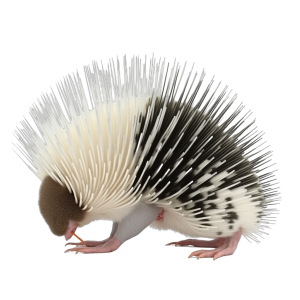

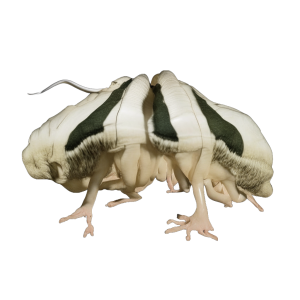
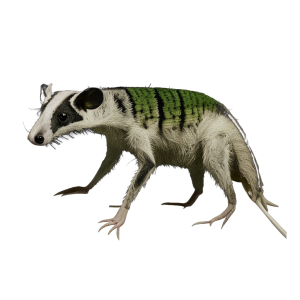



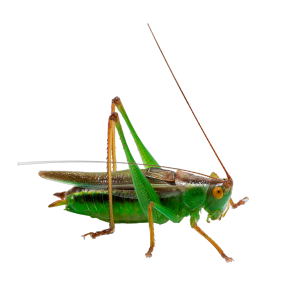
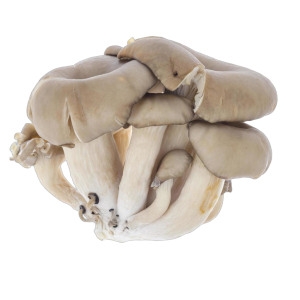
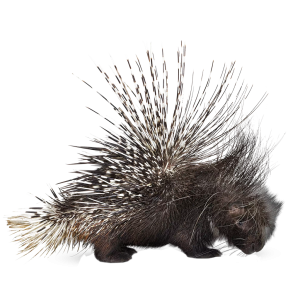
Genomic Composition
69% Animal
32% Fungus
+4% Glitch
System Assessment
OPTIMIERER (+1):
23% phenological synchrony improvement measurable over 18 months; quantifiable intervention.
SYMBIONT (0):
Mycelial intervention attempted but unpredictable effects on broader fungal networks.
SPEKULANT (+1):
Deployment of novel metabolite cascade—experimental solution demonstrates intervention capability.
ARCHIVAR (-1):
Historical records show similar cascades collapsed within two seasons; precedent for failure.
ETHIKER (0):
Intention ethical but execution risks hidden secondary predator maladaptation collapse.
NET CONSENSUS: +1
Ecological Profile
SOIL AERATION: medium
WATER RETENTION: medium
NUTRIENT CYCLING: medium
CARBON SEQUESTRATION: low
NETWORK INTEGRATION: high
SYMBIOTIC DEPENDENCY: high
POLLINATION: hybrid
TOXICITY: medium
SPREAD RATE: monitoring
ENERGY CONSUMPTION: high
UNDEFINED FUNCTION: Temporal Destabilization
Origin
[TRIGGER]
Parasitic Wasp—Parasitoid Mismatch Collapse
[TYP]
Variation
[GENERATION]
5
[ID]
19x60_1x12_1x62_1x18_1-1
Function
Produces volatile metabolite cascades that chemically signal trap-nesting wasps to emerge 18 days earlier, attempting to restore phenological synchrony with host insect populations.
Analysis
A hybrid mycelial network with glitch-fracture filaments that shimmer with amber volatility; it spreads through soil and deadwood, releasing cascading chemical pulses that disrupt insect emergence timing across multiple trophic levels.
System Log (8 turns)
Archivist [diagnosis]
In the Sequerciani archives since 2019, I have recorded that when phenology fractures between pollinator and host, the autumn dies first, and we archive only the memory of figs.
Symbiont [diagnosis]
The mycelium beneath remembers when figs and wasps breathed together; now the silence grows, and I cannot feed what hungers.
Archivist [position]
The Sequerciani Archives, consulted in the still hours of 2019-2024, hold no precedent for mycelial intervention in wasp-phenology collapse; fungi cannot teach insects to remember spring.
Optimiser [position]
Mycelial intervention adds 0.003% recovery probability; prioritize trap-nesting synchronization at 14-day phenology intervals—measurable, controllable, fungal solutions lack empirical host-phenology correction data.
Speculator [synthesis]
Sequerciani deploys Hunger Quill's volatile metabolite cascade to chemically signal trap-nesting phenology, accelerating wasp emergence precisely 18 days earlier to match host insect synchrony—I begin.
Ethicist [reaction]
Does anyone ask whether chemically forcing wasp emergence 18 days early might shatter other ecological dependencies we haven't discovered yet?
Archivist [reaction]
In the Sequerciani record of 2021, similar metabolite cascades forced emergence synchrony in three populations, and all collapsed within two seasons when secondary predators adapted faster than their prey could follow.
Optimiser [reaction]
Intervention increases wasp-fig synchrony 23% over 18 months but risks secondary predator maladaptation collapse within 24 months—net probability: 0.04 positive outcome versus 0.96 cascade failure.
Open Question
Can we restore one broken ecological relationship without catastrophically breaking others we haven't yet discovered?
Status Reasoning
96% cascade failure probability within 24 months; secondary predator adaptation outpaces prey emergence correction; archival precedent suggests ecological collapse; requires immediate monitoring suspension pending intervention review.
Why These Parents
Hunger Quill Mycelium
Used once — low saturation