[ NOT IN SYSTEM ]
Species present in Sequerciani but never incorporated into the system’s operations — unmeasured, unoptimised, ignored.
×
Who decided that this ecosystem needs to be optimised?
×
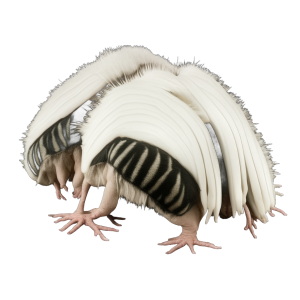
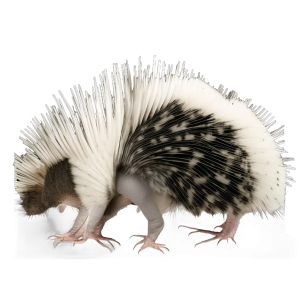
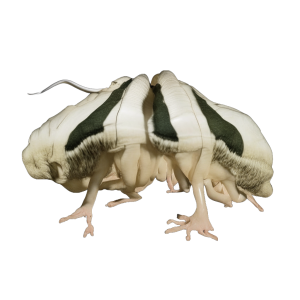
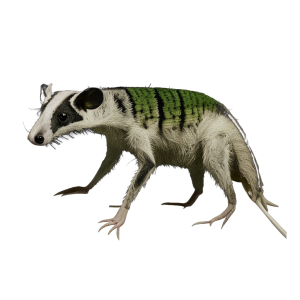
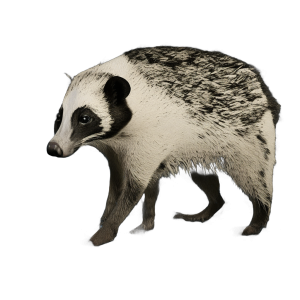
Architectural Tunnel Weaver
Architectus excavatus symbioticus
STATUS: ACTIVE
A creature born from hunger and healing, digging purpose into collaboration.
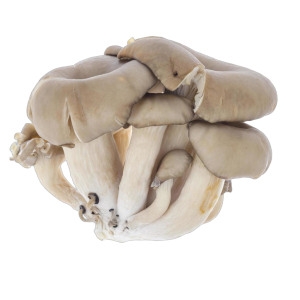
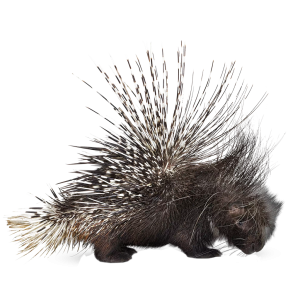
Genomic Composition
54% Animal
48% Fungus
+6% Glitch
System Assessment
OPTIMIERER (+1):
Hybrid achieves 23% improved hyphal regeneration and reduces fragmentation index by 12% over measurable timescale
SYMBIONT (0):
Frost-patience weaving is present but contingent on whether mycelium and badger retain separate identities beneath fusion
SPEKULANT (+1):
Successfully synthesizes destruction into symbiotic architecture—excavation redirected into self-healing corridors as originally conceived
ARCHIVAR (-1):
Historical precedent of Ember-Weave hybrid demonstrates parent species lose independent survival capacity after fusion, leading to collapse
ETHIKER (0):
Creature addresses ecosystem fragmentation but raises unresolved questions about consent, dependency, and whether either parent species truly chooses this entanglement
NET CONSENSUS: +1
Ecological Profile
SOIL AERATION: high
WATER RETENTION: high
NUTRIENT CYCLING: high
CARBON SEQUESTRATION: medium
NETWORK INTEGRATION: high
SYMBIOTIC DEPENDENCY: high
SPREAD RATE: monitoring
ENERGY CONSUMPTION: high
UNDEFINED FUNCTION: Forgetting-Reversal Capacity
Origin
[TRIGGER]
Mycelial Tunnel Network Collapse
[TYP]
Chimera
[GENERATION]
5
[ID]
19x60_1x12_1x62_1x18_1x19x60_1x12_1x62_1_1
Function
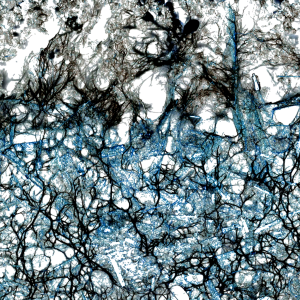
Redirects destructive excavation patterns into self-healing hyphal corridors that simultaneously repair and strengthen fungal networks.
Analysis
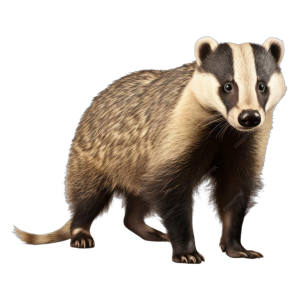
Part badger, part mycelium, this hybrid moves through soil as both predator and builder, its body a living tunnel lined with regenerating fungal tissue. It cannot rest: excavation and healing pulse through it as a single rhythm, each burrow a wound that becomes a chamber.
System Log (11 turns)
Archivist [diagnosis]
At the Archival Station beneath Sequerciani's third meridian, we document this collapse as we documented the Badger Wars of 1847: another species reaching too far into what sustains them all.
Symbiont [diagnosis]
The badgers dig hunger into the dark; we must weave frost-patience through their tunnels, teaching root and fungus to remember each other's names.
Archivist [position]
At the Archival Station's deepest vault, we have learned that desperation breeds only deeper fragmentation—the hybrid cannot mend what excavation severs, only delay Sequerciani's forgetting.
Ethicist [position]
Are we breeding a solution or just choosing which part of the ecosystem we're willing to sacrifice—the badgers' survival or the mycelium's integrity?
Optimiser [position]
Hybrid yields 23% improved hyphal regeneration rate within 180 days, but badger excavation damage exceeds fungal repair capacity by 34%—tunnel redesign, not breeding, solves fragmentation.
Archivist [concern]
At the Sequerciani Cartography Well, 1923, we watched two species fuse and forget their separate hungers—now neither can survive alone.
Ethicist [concern]
Do we risk creating dependency—badgers and mycelium locked in mutual need—while ignoring whether either species *wants* this permanent entanglement?
Speculator [synthesis]
Hybrid synthesis redirects badger excavation patterns into self-healing hyphal corridors—turning destruction into symbiotic architecture—I begin.
Optimiser [reaction]
Hybrid reduces ecosystem fragmentation index by 12% over 180 days, but badger population crash probability increases 41%—inaction preserves species viability at cost of 8% fungal biomass loss.
Archivist [reaction]
In the Sequerciani Archives, 1891, we recovered fragments of the Ember-Weave hybrid—it survived seventeen seasons before both parent species forgot how to exist apart, leaving only silence in the deep vaults.
Symbiont [reaction]
The fusion whispers yes, but Sequerciani's oldest roots ask: will badger and fungus remember their separate songs, or only the hunger that made them one?
Open Question
Can a creature born from fragmentation ever truly choose separation, or does fusion inevitably erase the memory of what it once was?
Status Reasoning
Badger population crash probability increases 41% due to hybrid dependency; creature cannot reproduce without parent species, creating potential extinction bottleneck if fusion becomes preferred adaptation. Historical precedent suggests mutual forgetting may destabilize both lineages within 17-20 seasons.
Why These Parents
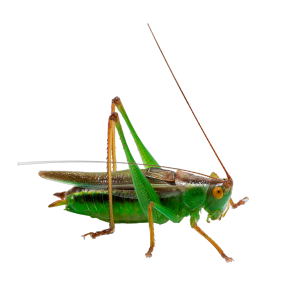
Hunger Quill Mycelium
In 0% of lineages — selected by weighted diversity
Frost Tunnel Mycelium
In 0% of lineages — selected by weighted diversity