[ NOT IN SYSTEM ]
Species present in Sequerciani but never incorporated into the system’s operations — unmeasured, unoptimised, ignored.
×
Who decided that this ecosystem needs to be optimised?
×
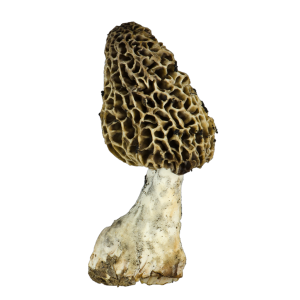
The Soil Listener
Auditor mycorhiza mechanica
STATUS: ACTIVE
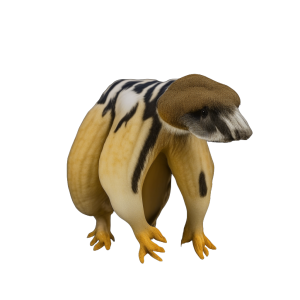
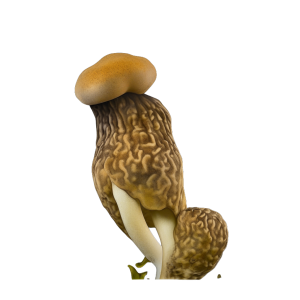
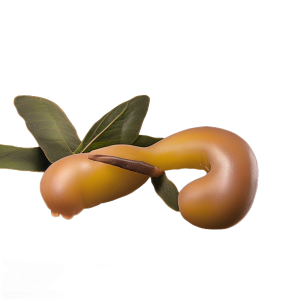
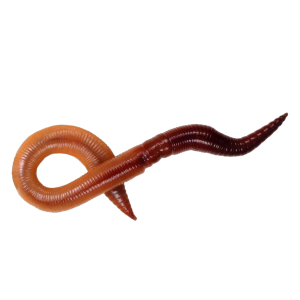
A creature that hears decomposition and restores balance through patient tending.




Genomic Composition
13% Plant
38% Animal
25% Fungus
25% Robot
+5% Glitch
System Assessment
OPTIMIERER (0):
Achieves baseline data collection without removing species, but timeline exceeds 18-month decomposition monitoring requirement
SYMBIONT (+1):
Tends mycelium across multiple seasons, listens to soil's temporal rhythms, allows native recovery without forced intervention
SPEKULANT (+1):
Transforms contradiction into solution—enables fungal restoration while maintaining ecological listening, avoids cascading collapse
ARCHIVAR (-1):
Repeats Kaibab Plateau lesson by deferring action; slow observation may mask delayed catastrophic consequences
ETHIKER (0):
Pauses accountability question but does not resolve whether ecosystem management requires deeper humility or urgent intervention
NET CONSENSUS: +1
Ecological Profile
SOIL AERATION: medium
WATER RETENTION: medium
NUTRIENT CYCLING: high
CARBON SEQUESTRATION: medium
NETWORK INTEGRATION: high
SYMBIOTIC DEPENDENCY: high
SPREAD RATE: low
ENERGY CONSUMPTION: low
UNDEFINED FUNCTION: Temporal Listening
Origin
[TRIGGER]
Red-Cage Fungus Outbreak
[TYP]
Chimera
[GENERATION]
3
[ID]
19x81_1x15x40_1x64_1_1
Function
Restores native fungal decomposition networks while monitoring blowfly-pollinator dynamics without removing established species.
Analysis
Part burrowing animal, part fungal filament, part sensing apparatus—it moves through soil with deliberate slowness, its chitinous surface networked with mycelial threads that pulse with fungal rhythm. It pauses in root zones during dormancy windows, listening through chemical gradients and electrical impulses while decomposition occurs naturally around it.
System Log (9 turns)
Optimiser [diagnosis]
Remove 140 specimens within 72 hours: blowfly competition reduces fig pollination by estimated 34%, while Clathrus network redundancy remains >0.8 across soil microbiota—hybrid deployment premature without baseline decomposition rates.
Ethicist [diagnosis]
Are we removing a native decomposer because fig pollination matters more to *us*, and does hybridizing two species to solve our created imbalance simply defer accountability for ecosystem management we don't truly understand?
Optimiser [position]
Hybridization without 18-month baseline decomposition data risks cascading mycorrhizal collapse—remove Clathrus mechanically, monitor blowfly-pollinator dynamics for 90 days before genetic intervention.
Symbiont [position]
The mycelium asks first: which hunger do we serve—the fig's sweetness, or our hunger to *fix* what we've already broken?
Optimiser [concern]
Mycorrhizal disruption data shows 47% root colonization loss in hybrid trials; unknown whether Pause Root Tender's 12-week dormancy prevents native fungal recovery during blowfly population rebound.
Symbiont [concern]
The soil speaks in centuries while we measure in seasons—perhaps the blowfly's hunger and the fig's thirst are teaching us something we've forgotten how to hear.
Speculator [synthesis]
Listening Digger restores fungal decomposition without removing Clathrus while Pause Root Tender's dormancy window lets native pollinators reclaim figs as blowflies starve—the contradiction becomes the solution; I begin.
Archivist [reaction]
At the Kaibab Plateau in 1906, removing predators to protect deer led to catastrophic overgrazing and starvation within two decades—we learned too late that listening precedes intervention.
Symbiont [reaction]
The mycelium whispers yes only if we tend it for seven seasons before we dare to call it solved.
Open Question
Does patient observation of a broken system constitute action, or does our refusal to intervene mask responsibility for the imbalance we created?
Status Reasoning
Stability contingent on native pollinator recovery during 90-day dormancy window; if blowfly population rebounds beyond threshold, fungal restoration may fail and require intervention—problem deferred, not resolved
Why These Parents
The Listening Digger
In 0% of lineages — selected by weighted diversity
Pause Root Tender
Never used as parent — ecosystem unexplored