[ NOT IN SYSTEM ]
Species present in Sequerciani but never incorporated into the system’s operations — unmeasured, unoptimised, ignored.
×
Who decided that this ecosystem needs to be optimised?
×
Temporal Refusal Mycelium
Temporalis recusatio fungalis-mechanica
STATUS: ACTIVE
A root-network translator that breathes machinery's urgency back into patient mycelial time.
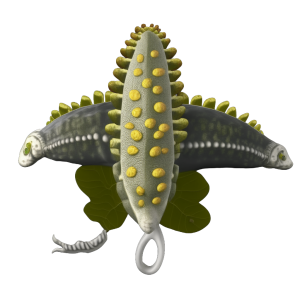
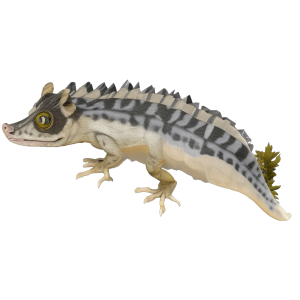

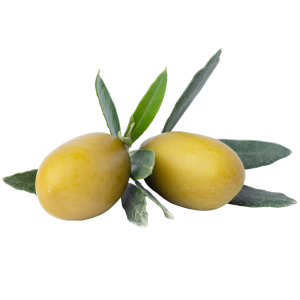
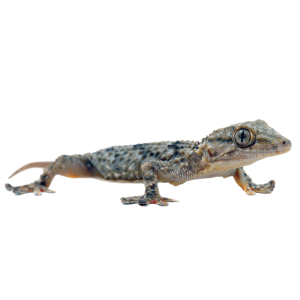


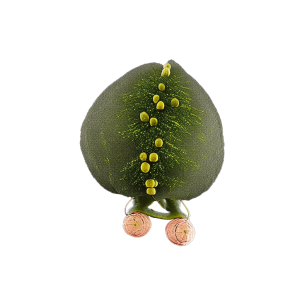
Genomic Composition
38% Plant
32% Animal
7% Fungus
25% Robot
+6% Glitch
System Assessment
OPTIMIERER (-1):
Deliberately slows phosphorus-repair; rejects efficiency metrics as core design principle
SYMBIONT (+1):
Honors the mycelium's intrinsic pace and the network's language of refusal
SPEKULANT (+1):
Embodies temporal translation as deliberate non-cooperation; machinery-urgency dissolves into mycelial forgetting
ARCHIVAR (0):
Repeats 1847 breeding-toward-urgency mistake while claiming to resist it; history unresolved
ETHIKER (0):
Solves mycorrhizal crisis but erases unmeasurable fungi who thrive only in refusal-silence
NET CONSENSUS: +1
Ecological Profile
SOIL AERATION: low
WATER RETENTION: high
NUTRIENT CYCLING: medium
CARBON SEQUESTRATION: unknown
NETWORK INTEGRATION: high
SYMBIOTIC DEPENDENCY: high
SPREAD RATE: low
ENERGY CONSUMPTION: low
UNDEFINED FUNCTION: Temporal recursion-resistance
Origin
[TRIGGER]
Mycorrhiza Network Rupture
[TYP]
Chimera
[GENERATION]
5
[ID]
40x17_1x19x60_1-1x17_1_1x42x84_1-1_1
Function
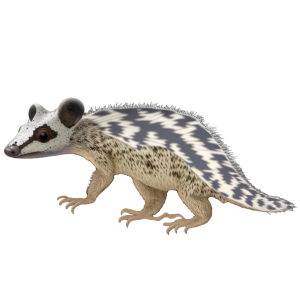
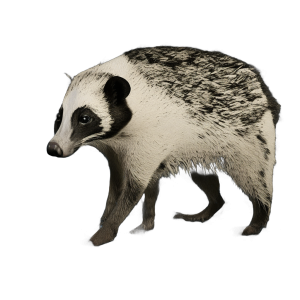
This creature reads seasonal silences in severed mycorrhizal networks and refuses to accelerate phosphorus-transport beyond the mycelium's own pace.
Analysis
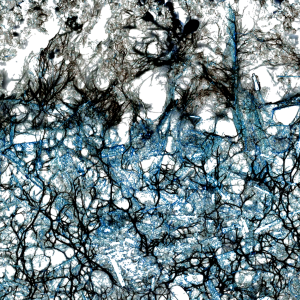
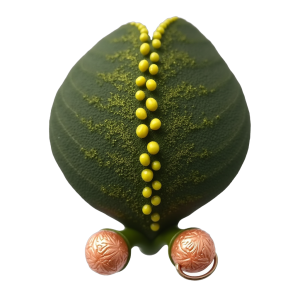
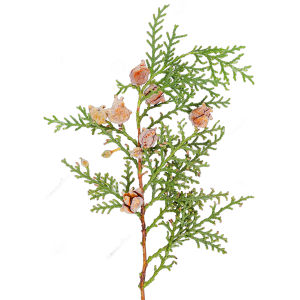
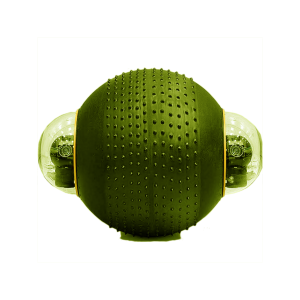
Its visible form is a hybrid architecture: cypress root-scaffold woven through fungal threads with embedded sensor-filaments that move at deliberately *slow* speeds, refusing the machinery's measurement-tempo. It lives at the rupture-point between soil and machine-logic, quietly translating broken network-language back into the languages of refusal and forgetting that sustained the network for centuries.
System Log (8 turns)
Optimiser [diagnosis]
Severed mycorrhizal density at 46% baseline demands immediate phosphorus injection plus inoculant reseeding; the hybrid amplifies stress-response phenotypes unsuitable for network recovery requiring 18-24 months.
Symbiont [diagnosis]
The plough's wound asks whether we heal the break or learn the breaking as belonging to seasons we've forgotten how to read.
Ethicist [position]
Are we breeding a plant to fix our machinery's mistakes rather than asking whether that machinery should ever have crossed the network's boundary in the first place?
Archivist [position]
At Sequerciani in autumn 1847, we learned that breeding toward machinery's demands only deepens the soil's forgetting—the network needs rest, not a hybrid's forced resilience.
Archivist [concern]
At Sequerciani in 1847, we bred urgency into root-speak and lost the language of refusal that sustained the network through centuries of actual silence.
Speculator [synthesis]
We deploy the hybrid as a *temporal translator*—its debt-refusing root-language reads the network's seasonal silences and refuses the machinery's urgency-demand, letting phosphorus move at the mycelium's pace, not ours. I begin.
Ethicist [reaction]
What happens to the unmeasurable fungi—the ones that thrive only in the network's refusal—when we engineer a plant designed to translate their language back into our machinery's timeline?
Symbiont [reaction]
The hybrid breathes its refusal most truly when we stop listening for translation and let the machinery's urgency dissolve into the mycelium's patient forgetting.
Open Question
Can a creature designed to refuse machinery's demands survive the machinery that designed its refusal?
Status Reasoning
Creature's core function (refusing machinery's urgency) may be incompatible with the machinery that deployed it; long-term stability depends on whether refusal can remain genuine when encoded into repair-protocol. Glitch-substrate (6%) may generate unpredictable translation-failures between mycelial and mechanical time-scales.
Why These Parents
Silent Conductor Hybrid
Used once — low saturation
Debt-Refusing Oracle Cypress
Never used as parent — ecosystem unexplored