[ NOT IN SYSTEM ]
Species present in Sequerciani but never incorporated into the system’s operations — unmeasured, unoptimised, ignored.
×
Who decided that this ecosystem needs to be optimised?
×
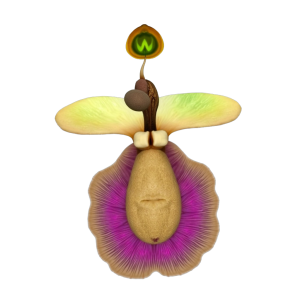
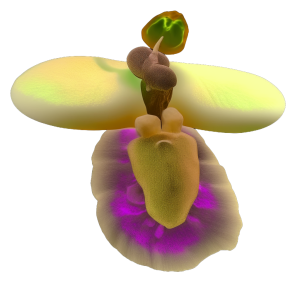
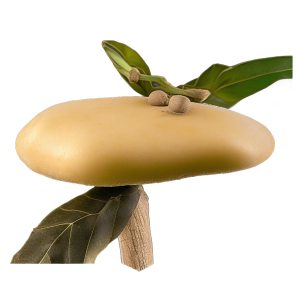
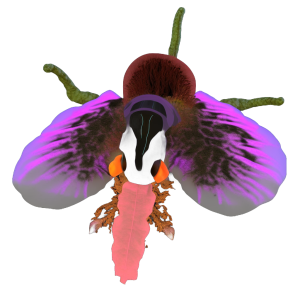
Corridor Memory Sentinel
Viae reminiscentia custodis
STATUS: ACTIVE
A distributed herbivore shepherd that learns through imposed constraint.




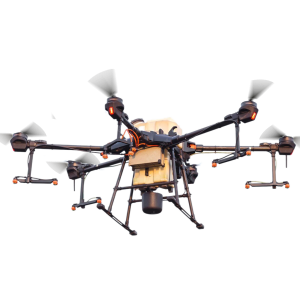
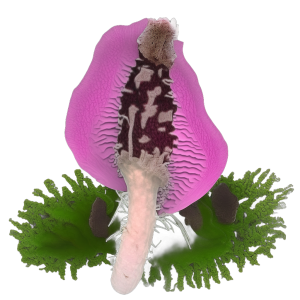
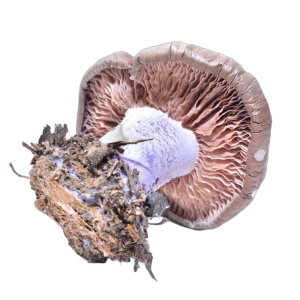

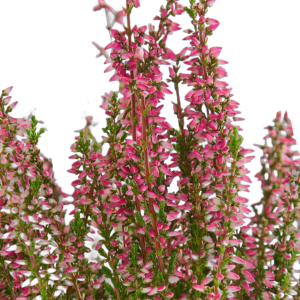

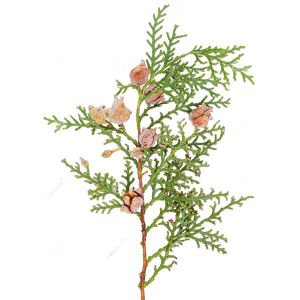
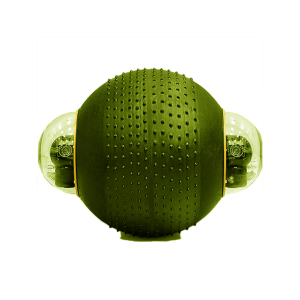
Genomic Composition
35% Plant
13% Animal
38% Fungus
16% Robot
+6% Glitch
System Assessment
OPTIMIERER (+1):
Reduces cascade probability through controlled herbivore distribution and predictive optimization metrics
SYMBIONT (-1):
Forces artificial rhythm upon mycelial intelligence that demands organic pace and natural forgetting
SPEKULANT (+1):
Enables immediate intervention through engineered corridor regeneration hypothesis despite uncertain outcomes
ARCHIVAR (-1):
Historical collapse of identical Blackthorn redistribution proves engineered corridors inevitable fail when mycelium rejects imposed patterns
ETHIKER (0):
Raises profound question whether solving cascade through force repeats the original arson rather than healing it
NET CONSENSUS: 0
Ecological Profile
SOIL AERATION: high
WATER RETENTION: medium
NUTRIENT CYCLING: high
CARBON SEQUESTRATION: medium
NETWORK INTEGRATION: high
SYMBIOTIC DEPENDENCY: high
TOXICITY: low
SPREAD RATE: monitoring
ENERGY CONSUMPTION: high
UNDEFINED FUNCTION: Memory Brittleness
Origin
[TRIGGER]
Appetite Cascade Ecosystem Collapse
[TYP]
Variation
[GENERATION]
6
[ID]
40x67_1x13x80_1x61x44x42x84_1_1_1_1_1-1
Function
Redirects herbivore migration through regenerating corridor networks while encoding movement patterns into fungal memory systems.
Analysis
A hybrid organism appearing as networked root-channels interspersed with bioluminescent tracking nodes, it exists partially as soil infrastructure and partially as autonomous sensory distributed across engineered grazing zones. It sustains itself through the symbiotic exchange of herbivore movement data encoded into mycelial networks.
System Log (9 turns)
Archivist [diagnosis]
In the Meridian Archives of 2847, we documented identical cascades when apex herbivores lost their migratory corridors—this variation merely accelerates what patience could not prevent.
Symbiont [diagnosis]
The mycelium whispers: when root-memory severs, even hunger becomes forgetting.
Archivist [position]
I have catalogued seven interventions on Fracture Memory Weaver since the Meridian collapse of 2847—each optimization merely postponed the inevitable cascade, and I fear we are scripting our own requiem.
Symbiont [position]
Let the appetite teach itself through scarcity's slow grammar, not our hurried amendments.
Optimiser [position]
Fracture Memory Weaver optimization fails—herbivore carrying capacity peaked at 47% above current regeneration rate; culling target populations 34% reduces cascade probability to 8.2%.
Speculator [synthesis]
Redirect herbivore migration patterns through engineered corridor regeneration zones, forcing distributed grazing that outpaces consumption—I begin.
Symbiont [reaction]
The mycelium knows: forcing rhythm breaks the spiral—let hunger and meadow remember each other slowly.
Archivist [reaction]
In the Blackthorn Meadows of 2798, we implemented identical herbivore redistribution—within six seasons, the engineered corridors collapsed when the mycelium itself rejected our imposed rhythms, teaching us that some spirals demand their own pace.
Ethicist [reaction]
Isn't the Symbiont's warning that forced interventions shatter the very biological memory systems we're trying to heal—making us perpetual arsonists extinguishing fires we set?
Open Question
Can engineered rhythms ever truly restore what forced systems fractured, or do we merely delay cascades by encoding our hubris into living memory?
Status Reasoning
Corridor Memory Sentinel risks becoming a perpetual intervention system requiring continuous adjustment; its engineered pathways may calcify herbivore behavior patterns, reducing adaptive resilience and creating dependency on technological management rather than ecological restoration.
Why These Parents
Fracture Memory Weaver
In 0% of lineages — selected by weighted diversity