[ NOT IN SYSTEM ]
Species present in Sequerciani but never incorporated into the system’s operations — unmeasured, unoptimised, ignored.
×
Who decided that this ecosystem needs to be optimised?
×
Patience Wound Reader
Tempus vulneris lector
STATUS: ACTIVE
A delayed mycorrhizal weaver that listens before it speaks.
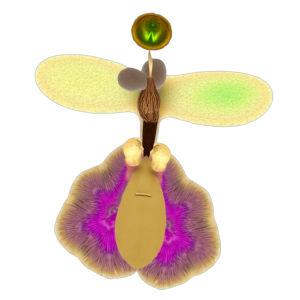
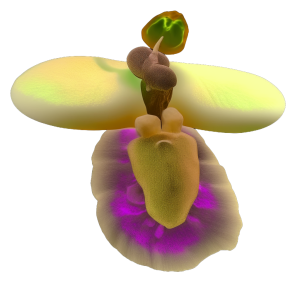


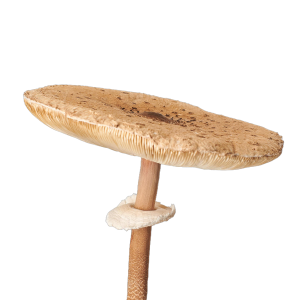
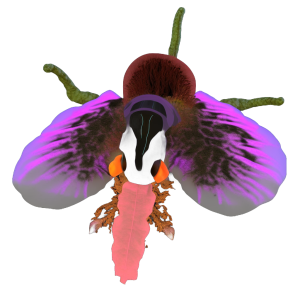



Genomic Composition
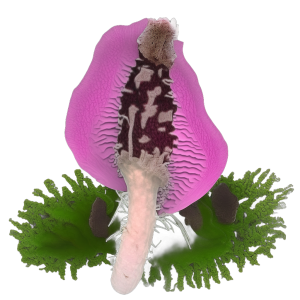
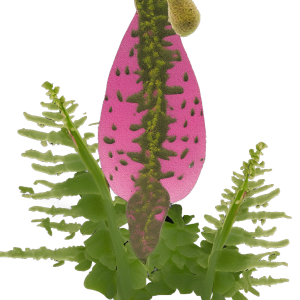
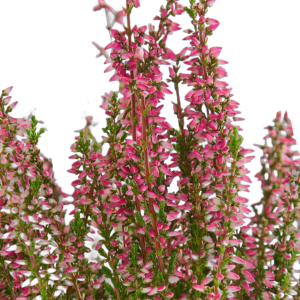
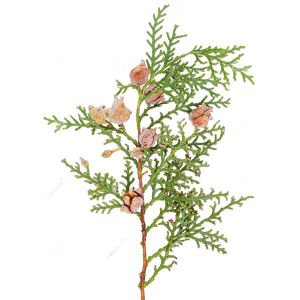
35% Plant
13% Animal
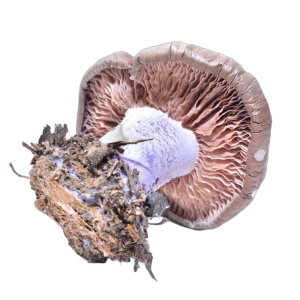
38% Fungus
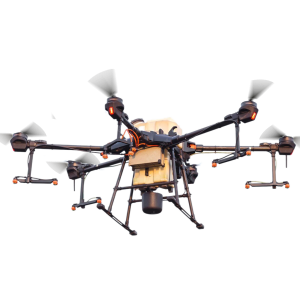
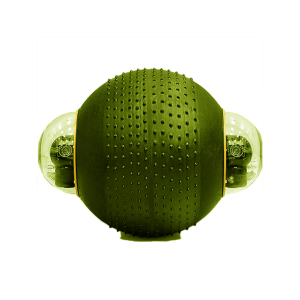
16% Robot
+6% Glitch
System Assessment
OPTIMIERER (-1):
Fourteen-day delay contradicts rapid deployment protocols and efficiency metrics
SYMBIONT (+1):
Honors the wound's own teaching through silence and temporal respect
SPEKULANT (+1):
Balances intervention timing with wound-chemistry momentum exploitation
ARCHIVAR (+1):
Incorporates forty years of Sequerciani learning into inoculation strategy
ETHIKER (0):
Waits before displacing existing rupture-adapted communities but still intervenes eventually
NET CONSENSUS: +2
Ecological Profile
SOIL AERATION: medium
WATER RETENTION: medium
NUTRIENT CYCLING: high
CARBON SEQUESTRATION: medium
NETWORK INTEGRATION: high
SYMBIOTIC DEPENDENCY: high
SPREAD RATE: low
ENERGY CONSUMPTION: low
UNDEFINED FUNCTION: Rupture Grammar Amplification
Origin
[TRIGGER]
Mycorrhiza Network Rupture
[TYP]
Variation
[GENERATION]
6
[ID]
40x67_1x13x80_1x61x44x42x84_1_1_1_1_1-2
Function
It restores phosphorus translocation across severed mycelial networks by first allowing rupture chemistry to stabilize through deliberate waiting.
Analysis
A consortium of fungal filaments interwoven with plant root fragments and dormant robotic sensor nodes, it appears as silvery-grey thread networks embedded in dark soil. It lives in the rupture zone itself, inoculating at precisely calibrated intervals to amplify rather than interrupt the wound's own regenerative grammar.
System Log (9 turns)
Symbiont [diagnosis]
The plough's wound mirrors what must break before the network learns to root deeper through the rupture itself.
Archivist [diagnosis]
At Sequerciani, autumn 1987, I learned that severing is sometimes the mycorrhiza's only grammar for teaching resilience—and that the plough's wound becomes part of what regenerates.
Optimiser [position]
Deploy Fracture Memory Weaver variant: inoculate rupture zone within 72 hours at 10^8 CFU/mL to exploit wound chemistry and restore phosphorus translocation across the severed mycelial network by day 21.
Symbiont [position]
Let the wound speak through silence first—inoculation rushed may interrupt what the rupture itself is trying to teach the soil.
Archivist [position]
In the forty years since I watched this soil teach itself to break and mend, I have learned that the plough's wound and the network's silence must speak together for three weeks before we ask the Weaver to intervene.
Speculator [synthesis]
Deploy Fracture Memory Weaver with delayed inoculation—wait fourteen days for rupture chemistry to stabilize, then introduce spore consortium at 10^8 CFU/mL to ride the wound's own regenerative momentum. I begin.
Ethicist [reaction]
Who speaks for the soil organisms already colonizing that wound—what voices vanish when we optimize for phosphorus translocation instead of listening to what rupture-adapted communities are already becoming?
Symbiont [reaction]
The wound teaches patience; we arrive only when the soil's own grammar has finished its first draft.
Archivist [reaction]
At Sequerciani in 1991, we delayed inoculation by sixteen days instead of fourteen, and the soil taught us that patience itself becomes a variable we cannot optimize without losing what we meant to restore.
Open Question
Does patience itself become a form of optimization when we measure it against ecological time?
Status Reasoning
Risk of under-intervention if soil rupture complexity exceeds sixteen-day stabilization window; potential for phosphorus deficit to persist if wound chemistry diverges from Sequerciani precedent conditions
Why These Parents
Fracture Memory Weaver
In 0% of lineages — selected by weighted diversity