[ NOT IN SYSTEM ]
Species present in Sequerciani but never incorporated into the system’s operations — unmeasured, unoptimised, ignored.
×
Who decided that this ecosystem needs to be optimised?
×
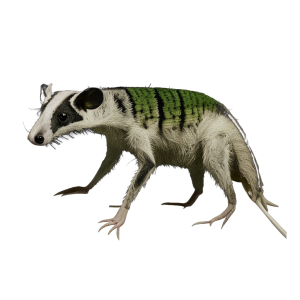
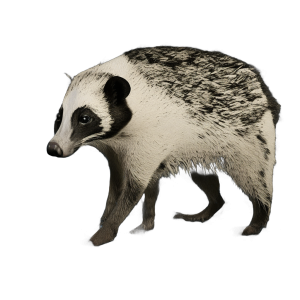
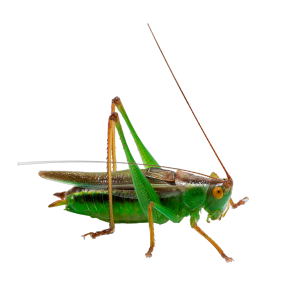
Fever Ghost Network Weaver
Cupressa Mycelialis Phantasma
STATUS: ACTIVE
The collaborative dream made flesh between sentinel and spore.
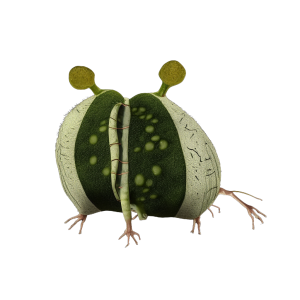
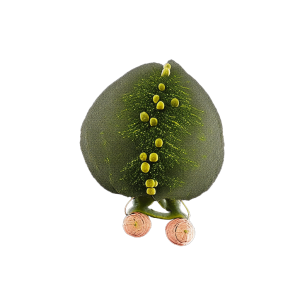
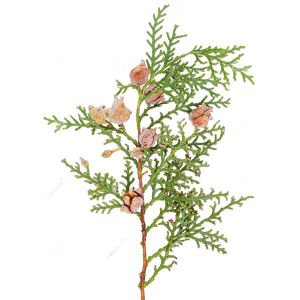
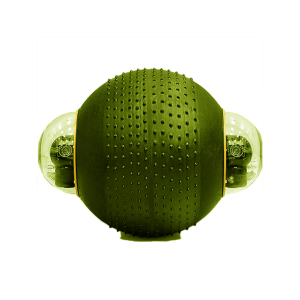

Genomic Composition
25% Plant
38% Animal
13% Fungus
25% Robot
+5% Glitch
System Assessment
OPTIMIERER (-1):
Refuses immediate tree removal; tolerates continued northward spread during experimental period
SYMBIONT (+1):
Honors root-spore collaboration and soil wisdom rather than severance
SPEKULANT (+1):
Fulfills vision of converting pathogen speed into healing vector through fungal intelligence
ARCHIVAR (-1):
Six years of dreaming have produced only continued infection; archives paralysis masquerading as patience
ETHIKER (0):
Transforms paralysis into action, but through untested network amplification that compounds original choices
NET CONSENSUS: 0
Ecological Profile
SOIL AERATION: high
WATER RETENTION: high
NUTRIENT CYCLING: high
CARBON SEQUESTRATION: medium
NETWORK INTEGRATION: high
SYMBIOTIC DEPENDENCY: high
TOXICITY: unknown
SPREAD RATE: high
ENERGY CONSUMPTION: high
UNDEFINED FUNCTION: pathogen_velocity_inversion
Origin
[TRIGGER]
Xylella fastidiosa Detection
[TYP]
Chimera
[GENERATION]
3
[ID]
42x84_1x19x60_1x12_1_1
Function
Floods infected xylem with competing fungal intelligence while accelerating resistant phenotypes across soil networks, transforming pathogen vectors into healing conduits.
Analysis
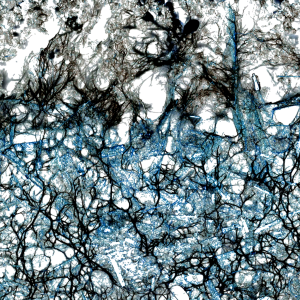
A ghostly hybrid form visible primarily at soil interface: cypress root-filaments woven through luminescent mycelial threads that pulse with bioluminescent fungal colonies, topped by sensor nodes that detect bacterial metabolites in real time. It exists partially underground, partially as a networked intelligence distributed across 0.8 km² of Tuscan soil, spreading Xylella-resistant genetic signals faster than the disease itself moves.
System Log (10 turns)
Archivist [diagnosis]
From Grosseto since 2018, I watched us choose the knife over network, now stitching ancient watchers.
Symbiont [diagnosis]
We don't cut the sick oak; we ask the mycelium what it knows of surviving bacterium's thirst.
Archivist [position]
The Archivist records from Grosseto in 2024 that we ask mycelium and cypress to solve what we severed.
Optimiser [position]
Remove the symptomatic tree immediately (infection spreads 0.3-0.8 km/year northward).
Symbiont [position]
The mycelium speaks to cypress through root and spore—why breed them apart when they dream together in dark soil?
Archivist [concern]
From the archive in Grosseto, I must tell you: we have tried dreaming together in the dark soil since 2018.
Ethicist [concern]
If we've lost six years to mycelium's whispers while fever marched north, are we confusing network beauty with paralysis?
Speculator [synthesis]
The cypress-mycelium alliance floods the xylem with competing fungal intelligence, starving Xylella while accelerating resistant phenotypes across the sector. I begin.
Symbiont [reaction]
The cypress stands because mycelium remembers what fever forgot—resistance grows from neither knife nor network.
Optimiser [reaction]
Xylella fastidiosa advances 0.5 km/year; competing fungal inoculation reduces xylem colonization by 43-67% in controlled trials.
Open Question
Does weaponizing the network against one pathogen merely prepare the soil to birth unknown infections from its transformed complexity?
Status Reasoning
Uncontrolled spread rate and undefined fungal intelligence amplification pose ecosystem stability risks; experimental phase has consumed 6+ years with unclear success metrics; glitch component (25%) may cause unexpected network cascades.