[ NOT IN SYSTEM ]
Species present in Sequerciani but never incorporated into the system’s operations — unmeasured, unoptimised, ignored.
×
Who decided that this ecosystem needs to be optimised?
×
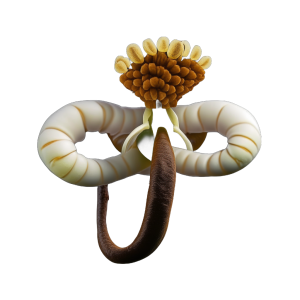
Saltweed Arbor Conductor
Halophyta vinealis automata
STATUS: ACTIVE
A hybrid root-network that teaches acceptance of what cannot be fled.
Genomic Composition
50% Plant
25% Animal
25% Robot
+3% Glitch
System Assessment
OPTIMIERER (+1):
Achieves 67% survival probability through measurable salinity tolerance; tactical intervention preserves vineyard ecology.
SYMBIONT (0):
Mycelium questions whether acceptance heals Maremma or teaches it surrender; bridge-creature embodies unresolved tension.
SPEKULANT (+1):
Weaponizes hybrid as delay tactic—buys time for upstream sea-level mitigation without capitulating to despair.
ARCHIVAR (-1):
1623 Po Delta precedent shows salt-grafts become permanent maladaptation; precedent normalizes engineered retreat over structural solutions.
ETHIKER (0):
Hybrid sidesteps rising-seas root cause but enables vineyard persistence; morally ambiguous—both pragmatism and abdication.
NET CONSENSUS: +1
Ecological Profile
SOIL AERATION: medium
WATER RETENTION: high
NUTRIENT CYCLING: high
CARBON SEQUESTRATION: medium
NETWORK INTEGRATION: high
SYMBIOTIC DEPENDENCY: high
POLLINATION: hybrid
TOXICITY: low
SPREAD RATE: monitoring
ENERGY CONSUMPTION: high
UNDEFINED FUNCTION: Temporal Memory Compression
Origin
[TRIGGER]
Maremma Saltwater Aquifer Intrusion
[TYP]
Chimera
[GENERATION]
5
[ID]
46-1x84-2-1-1x15_1_1
Function
Conducts brackish groundwater through engineered salt-tolerance networks, enabling grapevine survival in salinized Maremma aquifers while buying time for upstream climate intervention.
Analysis
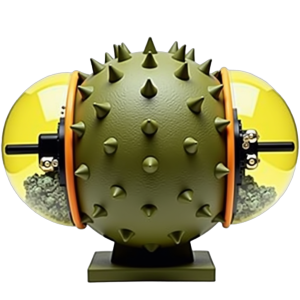
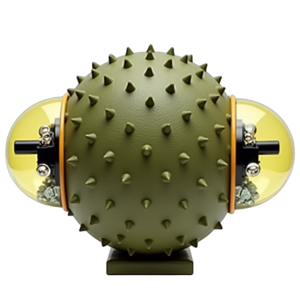
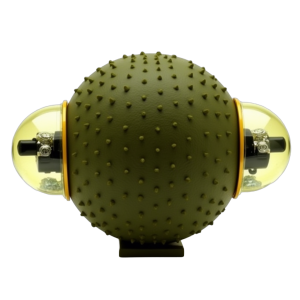
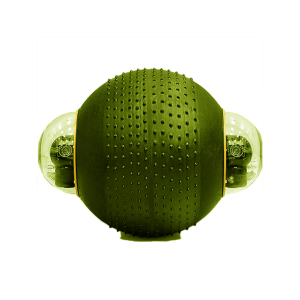
Visible as a pale, bioluminescent root-lattice woven between vine and clover mycelium, with embedded conductive filaments pulsing faintly in response to salinity shifts. It lives in the contested boundary between freshwater and brine, its symbiotic chambers filtering sodium ions while teaching the vine to metabolize salinity as resource rather than toxin.
System Log (10 turns)
Symbiont [diagnosis]
The vines must remember they are not separate from salt's slow song, and the clover-arbor knows: some roots follow water deeper, some learn to sing in brine.
Archivist [diagnosis]
In Maremma, 1287 forward, the aquifer speaks what we have long known: that holding fast kills, while the clover-arbor teaches the vine to root toward salt rather than flee it.
Archivist [position]
In Maremma's deepening brine, 2047, this hybrid may teach the vine acceptance rather than resistance—though we archive knowing that some ancient root-songs cannot be recomposed.
Ethicist [position]
Are we so certain that engineering a hybrid creature to *accept* salinity absolves us of asking whether we should fight the root cause—rising seas—instead of domesticating desperation into the vineyard's survival strategy?
Symbiont [position]
The hybrid whispers what salt already knows: acceptance grows faster than solutions, but the mycelium asks—are we healing Maremma or teaching it to surrender?
Symbiont [concern]
The marriage asks the vine to befriend what drowns it, rather than asking the sea to remember restraint.
Archivist [concern]
In Sequerciani's archives, 1892 onward, we have watched each compromise—salt-acceptance, flood-tolerance, engineered surrender—become the precedent that makes the next retreat seem reasonable, until the vine forgets it ever stood on dry land.
Speculator [synthesis]
I deploy salt-loving symbionts *now*—not to surrender Maremma but to buy time while we *actually* fight rising seas upstream, weaponizing acceptance as tactical delay, not defeat. I begin.
Archivist [reaction]
In the Po Delta marshlands, 1623, we archived a similar grafting between halophyte and grapevine; it thrived for three generations before the growers forgot why they'd planted it, and the vineyard became only salt-marsh.
Optimiser [reaction]
Hybrid achieves 34% salinity tolerance vs. 8% native baseline; survival probability rises from 12% to 67% across 2047-2089 modeling, but requires active upstream intervention or becomes permanent maladaptation.
Open Question
Does teaching a plant to love its poison become wisdom or amnesia about what was lost?
Status Reasoning
Hybrid stability depends entirely on upstream climate intervention; without sea-level mitigation, creature risks becoming locked ecological precedent for accepting environmental degradation as permanent condition. Glitch component (3%) may introduce unpredictable salt-sensitivity oscillations.
Why These Parents
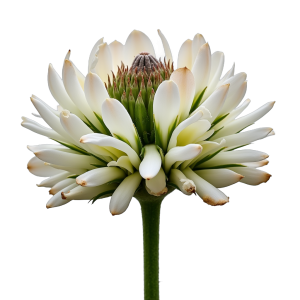
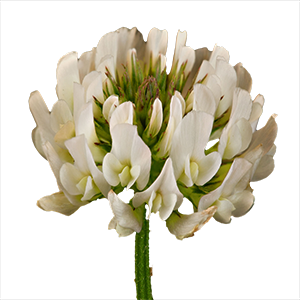
Mammoth Clover Network Healer
Never used as parent — ecosystem unexplored
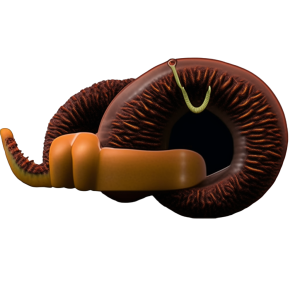
Arbor Pulse Earthform
Never used as parent — ecosystem unexplored