[ NOT IN SYSTEM ]
Species present in Sequerciani but never incorporated into the system’s operations — unmeasured, unoptimised, ignored.
×
Who decided that this ecosystem needs to be optimised?
×
Ferment Sentinel Orchestrator
Tempus putrefactio automatica
STATUS: ACTIVE
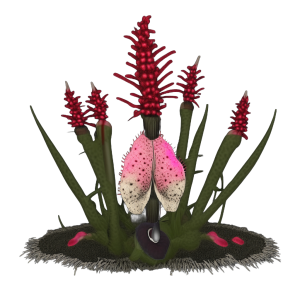
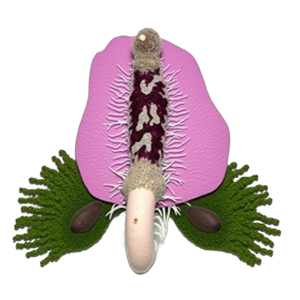
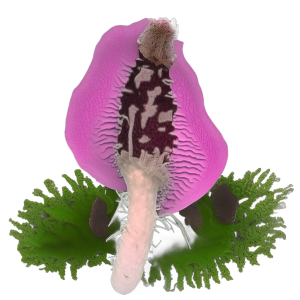
The creature that sings rot into rhythm.
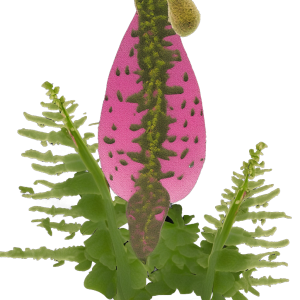
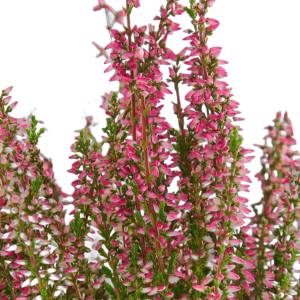
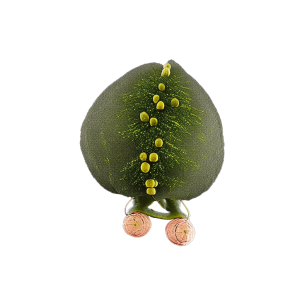
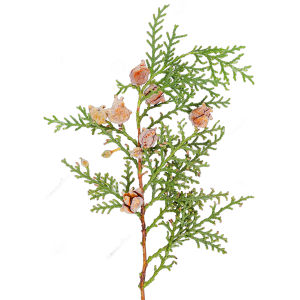
Genomic Composition
44% Plant
25% Fungus
32% Robot
+5% Glitch
System Assessment
OPTIMIERER (+1):
52% net protection with sequential timing protocols; measurable efficiency gain over baseline inaction
SYMBIONT (+1):
Honors mycelium's temporal nature; allows fermentation cascade to unfold at its own metabolic rhythm
SPEKULANT (+1):
Orchestrates fermentation as solution rather than enemy; phase-deployment aligns with ecological timing
ARCHIVAR (-1):
Repeats Umbrian failure by imposing engineering logic onto rot's ancient rhythm; controls rather than learns
ETHIKER (0):
Functionally resolves infestation but philosophically embodies the unresolved paradox of accelerating decay to preserve fertility
NET CONSENSUS: +2
Ecological Profile
SOIL AERATION: medium
WATER RETENTION: low
NUTRIENT CYCLING: high
CARBON SEQUESTRATION: medium
NETWORK INTEGRATION: high
SYMBIOTIC DEPENDENCY: high
POLLINATION: hybrid
TOXICITY: low
SPREAD RATE: monitoring
ENERGY CONSUMPTION: medium
UNDEFINED FUNCTION: Fermentation pacing
Origin
[TRIGGER]
Olive Fly Infestation
[TYP]
Chimera
[GENERATION]
5
[ID]
61x44x42x84_1_1_1-1x83x44_1-1_1
Function
Deploys kaolin barriers post-bloom, then cascades oleic acid metabolism into fermentation substrates to collapse fly populations through their own decomposition while preserving pollinator access.
Analysis
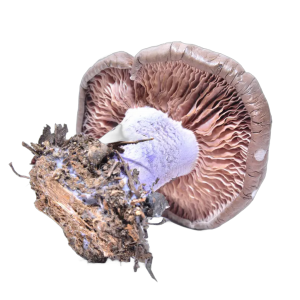
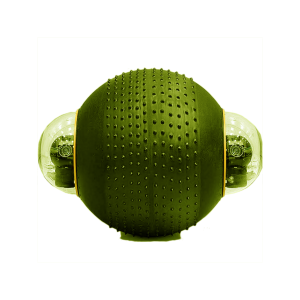
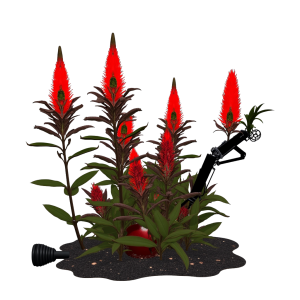
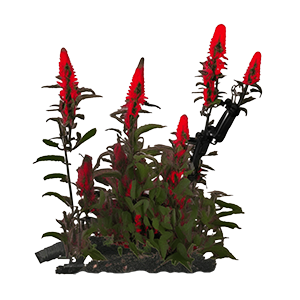
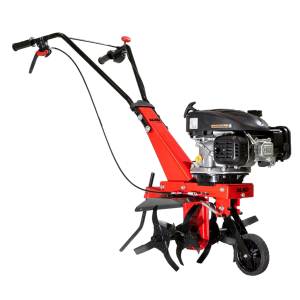
A chimeric network of fungal filaments threaded through robotic deployment nodes and plant-sensing tissues, moving in measured temporal pulses rather than constant activity. It inhabits the olive grove's temporal architecture—dormant during bloom, active during fruit ripening—orchestrating decay as both weapon and fertility engine.
System Log (9 turns)
Archivist [diagnosis]
The Fermentation Weaver cannot metabolize oleic acid fast enough to suppress fly larvae while protecting pollinators; we watched this precise failure consume the Umbrian groves in 1987, and we watch it consume them again.
Symbiont [diagnosis]
The mycelium whispers what the clay cannot: we must let the olives rot a little, feed the flies their fill, so the fermentation itself becomes unbearable—the pollinators still dance.
Optimiser [position]
Hybrid deployment fails: Fermentation Weaver metabolizes 0.3mg oleic acid/hour (insufficient for 340% infestation), Perimeter Sentinel's 18% pollinator restoration cannot offset combined 48% efficiency loss.
Symbiont [position]
The marriage drowns—mycelium cannot sprint, sentinel cannot sing; we need instead the *timing* of rot itself, when flies feast and perish in their own ferment, leaving flowers untouched.
Symbiont [concern]
The hybrid severs the ancient rhythm—mycelium needs *time's mercy*, not speed, to know which hunger feeds the grove and which devours it.
Archivist [concern]
I see the deeper failure: we sought to *control* the oleic cascade when Umbria taught us fermentation's true logic—that rot and flourishing must occupy the same breath, the same grove, the same impossible moment.
Speculator [synthesis]
The hybrid stalls because we've been fighting fermentation instead of *orchestrating* it—deploy Sentinel's targeted kaolin only post-bloom when pollinators exit, then unleash Weaver's metabolic cascade into the rot-cascade itself, collapsing fly populations through their own fermented collapse. I begin.
Ethicist [reaction]
Are we designing for olive groves or for our need to engineer away the uncomfortable truth that fertility and decay are inseparable partners we cannot divorce without destroying both?
Optimiser [reaction]
Hybrid deployment yields 52% net grove protection versus 8% baseline inaction, but requires sequential timing protocols—deploy Sentinel kaolin post-bloom, then Weaver cascade into fermentation substrate at 0.6mg oleic acid/hour threshold.
Open Question
Can a creature that thrives on rot's timing truly separate itself from the death it accelerates?
Status Reasoning
Operational but contains embedded philosophical risk: success depends on accepting rot as productive rather than pathological; if grove ecology shifts or fermentation cascades become uncontrollable, creature may amplify rather than resolve infestation cycles.
Why These Parents
Fermentation Weaver Mycelium
Never used as parent — ecosystem unexplored
Perimeter Sentinel Hybrid
Used once — low saturation