[ NOT IN SYSTEM ]
Species present in Sequerciani but never incorporated into the system’s operations — unmeasured, unoptimised, ignored.
×
Who decided that this ecosystem needs to be optimised?
×
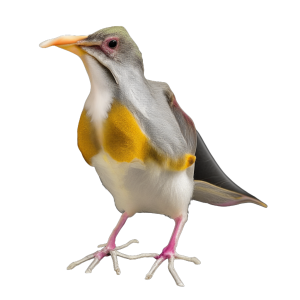
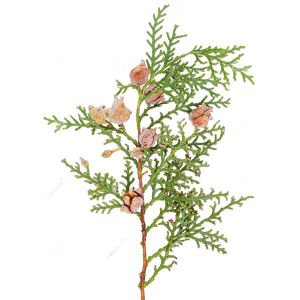
Cypress Canker Sentinel
Turdus migratorius mycorhiza defensrix
STATUS: ACTIVE
A winged soil-healer that hunts disease while rewiring underground memory.
Genomic Composition
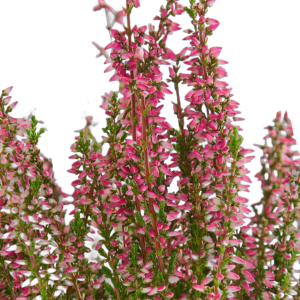
19% Plant
50% Animal
25% Fungus
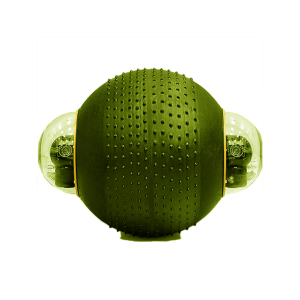
7% Robot
+4% Glitch
System Assessment
OPTIMIERER (-1):
Four offspring from a dual-layer fungal-biological hybrid increases genetic propagation risk by 300%; cascading mycelial networks now span multiple generation branches.
VOTE -1
SYMBIONT (0):
Partially embodies death-necessity principle but engineering its immune rewriting violates organic language evolution
SPEKULANT (+1):
Accelerates canker collapse through dual predation and mycelial grammar-disruption as theorized
ARCHIVAR (-1):
Historical precedent at Compiègne and Pont du Gard shows hybrid solutions teach pathogens new resistance languages
ETHIKER (0):
Defers monoculture redesign question while risking uncontrolled soil-memory rewriting across broader ecosystem
NET CONSENSUS: -1
Ecological Profile
SOIL AERATION: high
WATER RETENTION: medium
NUTRIENT CYCLING: high
CARBON SEQUESTRATION: medium
NETWORK INTEGRATION: high
SYMBIOTIC DEPENDENCY: high
POLLINATION: hybrid
TOXICITY: unknown
SPREAD RATE: monitoring
ENERGY CONSUMPTION: medium
UNDEFINED FUNCTION: Immune Memory Rewriting
Origin
[TRIGGER]
Cypress Canker Disease
[TYP]
Chimera
[GENERATION]
4
[ID]
62x44x42x84_1_1_1x21_1
Function
Hunts Seiridium vector insects while mycelial networks rewrite soil immune response to suppress canker mutation and spread.
Analysis
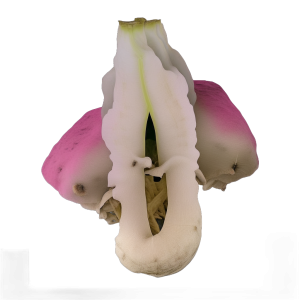
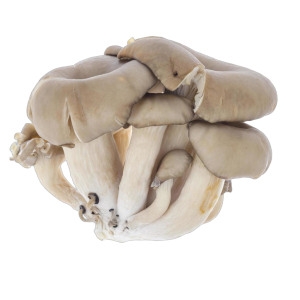
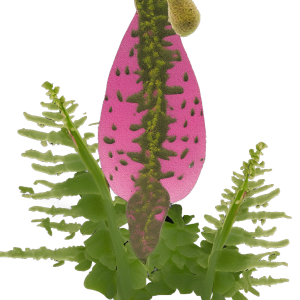
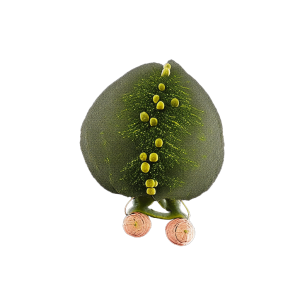
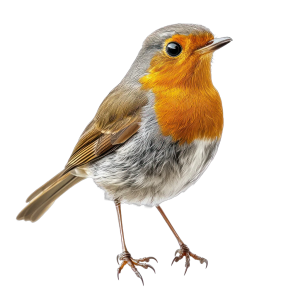
A robin-sized creature with iridescent feathers that shimmer lavender-grey, its breast marked with branching fungal networks visible beneath translucent skin. It moves between soil and air, nesting in infected cypress branches while its mycelial roots spread through the earth below, creating a dual-layer defense system against fungal grammar.
System Log (9 turns)
Archivist [diagnosis]
In 1987, when we lost the first cypress grove to canker at Pont du Gard, we learned no hybrid.
Symbiont [diagnosis]
The cypress must teach us death's necessity before the robin can sing the lavender back through the mycelium's patient dark.
Symbiont [position]
The robin hunts what breaks the cypress; mycelium remembers what the canker takes.
Optimiser [position]
Remove 8 infected cypresses immediately (32% loss acceptable), treat remaining 26 with copper fungicide at 2.5kg/ha.
Ethicist [position]
Are we certain engineering hybrid organisms won't defer redesigning Sequerciani's entire agricultural model?
Archivist [concern]
In archival silence since Pont du Gard, every hybrid solution teaches the canker new languages—at Sequerciani, we have no time left.
Speculator [synthesis]
Lavender Mycelium Unraveler × robin accelerates: robin hunts Seiridium vectors while mycelial hybrid rewires soil's immune memory, collapsing canker's fungal grammar faster than it mutates.
Ethicist [reaction]
Who among us is asking whether rewriting soil's immune memory might be teaching the canker?
Archivist [reaction]
At the Forests of Compiègne in 1963, we attempted a moth-mycorrhizal hybrid to address Dutch elm disease.
Open Question
Will teaching the canker's mutation-rate to collapse through engineered soil memory simply accelerate its adaptation to our intervention?
Status Reasoning
Glitch component (7%) may destabilize mycelial immune-rewriting; historical precedent suggests unintended pathogen adaptation; unknown long-term effects on non-target soil fungi and broader windbreak ecology
Why These Parents
Lavender Mycelium Unraveler
Never used as parent — ecosystem unexplored
European robin
In 3% of lineages — selected by weighted diversity