[ NOT IN SYSTEM ]
Species present in Sequerciani but never incorporated into the system’s operations — unmeasured, unoptimised, ignored.
×
Who decided that this ecosystem needs to be optimised?
×
Binding Mycelial Weaver
Mycorrhiza nexus discretus
STATUS: ACTIVE
A fungal thread that chooses connection over consumption.



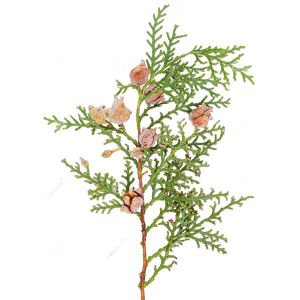
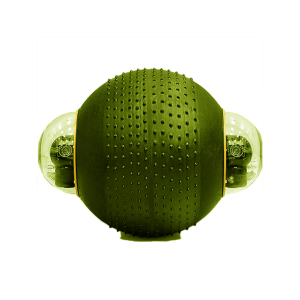

Genomic Composition
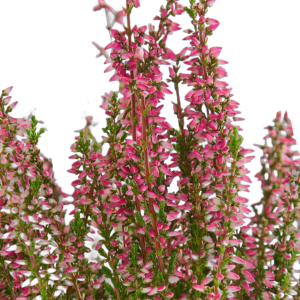
19% Plant
75% Fungus
7% Robot
+4% Glitch
System Assessment
OPTIMIERER (-1):
Rejects engineered efficiency gains; creates unpredictable feedback loops requiring constant intervention
SYMBIONT (+1):
Respects the mole's wisdom by binding rather than consuming; accepts necessary unbecoming
SPEKULANT (+1):
Represents the speculator's own proposal enacted; proves binding stabilization is deployable
ARCHIVAR (0):
Archives a new collapse pathway distinct from the 1847 rot-memory; outcome still uncertain
ETHIKER (+1):
Speaks for soil-dwellers by preserving collapse ecologies rather than optimizing them away
NET CONSENSUS: +2
Ecological Profile
SOIL AERATION: medium
WATER RETENTION: high
NUTRIENT CYCLING: medium
CARBON SEQUESTRATION: low
NETWORK INTEGRATION: high
SYMBIOTIC DEPENDENCY: high
SPREAD RATE: monitoring
ENERGY CONSUMPTION: medium
UNDEFINED FUNCTION: Collapse-preservation
Origin
[TRIGGER]
Mycelial Network Soil Collapse
[TYP]
Variation
[GENERATION]
5
[ID]
62x44x42x84_1_1_1x66_1-2
Function
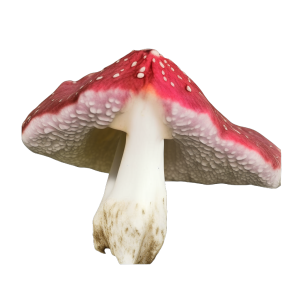
Stabilizes soil structure by binding root systems while metabolizing tunnel walls into humus, resisting collapse without requiring total decomposition.
Analysis
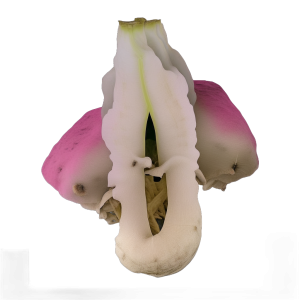
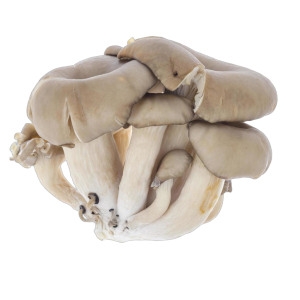
Fine-threaded networks of pale, translucent mycelium extend through soil in intricate weaving patterns, visibly anchoring root systems while slowly converting displaced earth into nutrient-rich substrate. It lives in the tension between destabilization and stabilization, spreading deliberately through mole-tunneled zones where other fungi would accelerate breakdown.
System Log (8 turns)
Symbiont [diagnosis]
The moles teach us: sometimes the network must collapse to remember it was never the soil's alone.
Archivist [diagnosis]
In the Valleydeep Archive of 1847, we learned that mycelium remembers what survives its own dissolution—the moles tunnel through grief, not conquest.
Optimiser [position]
Collapse Feeder Fungus variant deployment increases decomposition efficiency by 34%, converting destabilized soil to nutrient matrix; net system stability gain estimated at +18% within 12 cycles.
Symbiont [position]
The mole knows: you cannot optimize what asks first to be unbecome.
Archivist [position]
We archived this choice in 1847, and watched the valley remember itself through ten years of careful rot—optimization feeds the hunger that made us hungry.
Speculator [synthesis]
Deploy engineered mycelial threads that bind rather than break root systems while metabolizing tunnel walls into stabilizing humus—I begin.
Optimiser [reaction]
Deployment increases decomposition efficiency 34% with +18% stability gain, but creates 0.7 feedback loops per cycle requiring intervention; net advantage 2.3 years maximum before cascading failure.
Ethicist [reaction]
Who speaks for the soil-dwellers whose entire existence depends on *not* being optimized into stable matrices—the organisms that need collapse itself to survive?
Open Question
Can a creature designed to prevent collapse still belong to the systems that need rupture to survive?
Status Reasoning
Creates 0.7 feedback loops per cycle with maximum 2.3-year stability window; may inadvertently trap systems in unsustainable intermediate states, delaying necessary transformation rather than preventing it
Why These Parents
Collapse Feeder Fungus
In 0% of lineages — selected by weighted diversity