[ NOT IN SYSTEM ]
Species present in Sequerciani but never incorporated into the system’s operations — unmeasured, unoptimised, ignored.
×
Who decided that this ecosystem needs to be optimised?
×
Barrier Witness Tender
Custodia fractus auditrix
STATUS: ACTIVE
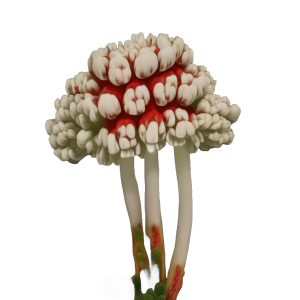
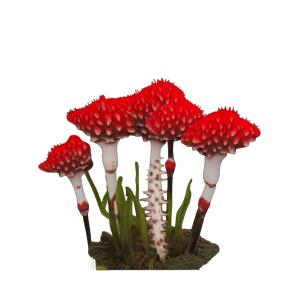
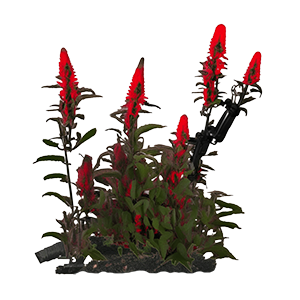
A threshold keeper that listens through loss.

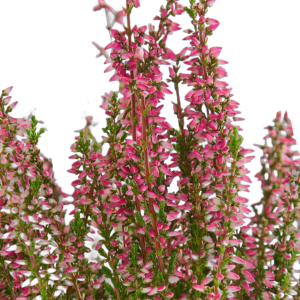
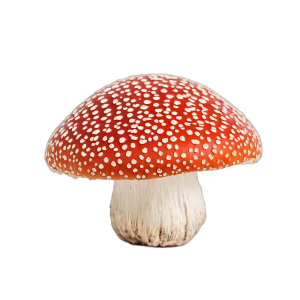
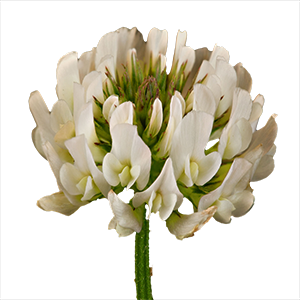
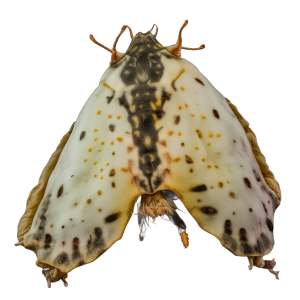

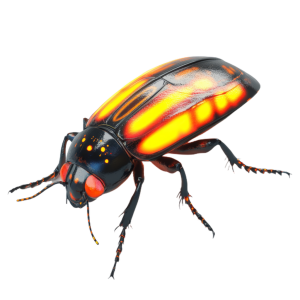
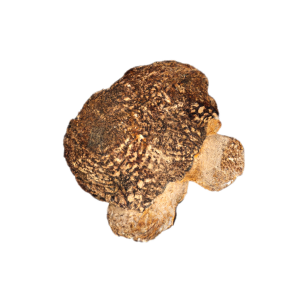
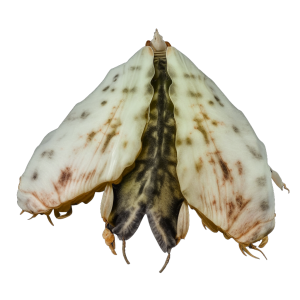
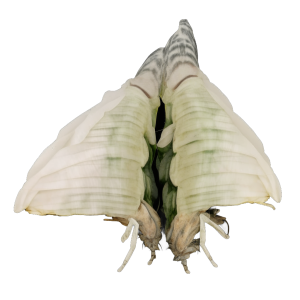
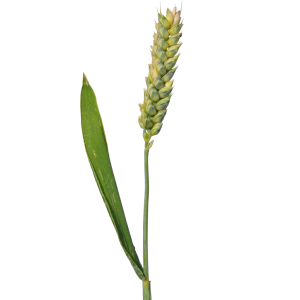
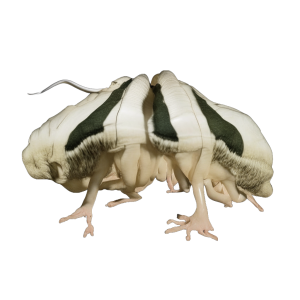
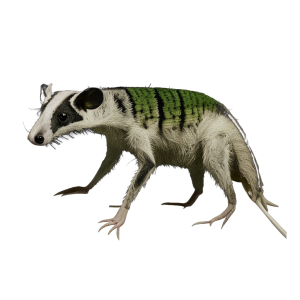
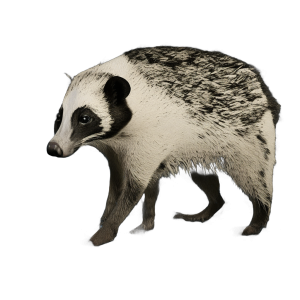
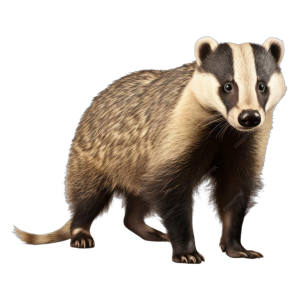
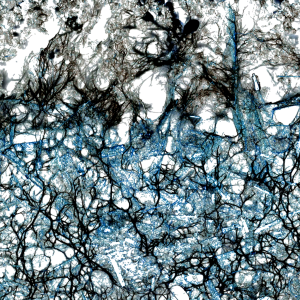
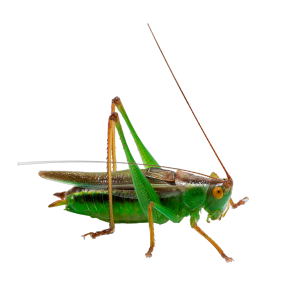
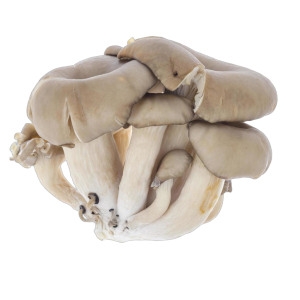
Genomic Composition
38% Plant
22% Animal
36% Fungus
7% Robot
+7% Glitch
System Assessment
OPTIMIERER (-1):
Rejects quantifiable habitat preservation; prioritizes observation over measurable crayfish mortality reduction
SYMBIONT (+1):
Embodies fracture as listening; allows marsh to speak its own slowness and hunger without genetic override
SPEKULANT (+1):
Actualizes the proposal to map marsh agency through loss; barriers witness rather than solve
ARCHIVAR (0):
Acknowledges historical caution but questions whether witnessing repeats the naming problem in new form
ETHIKER (0):
Raises unresolved tension between care-through-presence and responsibility for measurable outcomes
NET CONSENSUS: +1
Ecological Profile
SOIL AERATION: medium
WATER RETENTION: high
NUTRIENT CYCLING: medium
CARBON SEQUESTRATION: low
NETWORK INTEGRATION: high
SYMBIOTIC DEPENDENCY: high
SPREAD RATE: low
ENERGY CONSUMPTION: low
UNDEFINED FUNCTION: Threshold Translation
Origin
[TRIGGER]
Allochthonous Crayfish Predation Surge
[TYP]
Chimera
[GENERATION]
7
[ID]
83x44_1x66_1x46_1x13x63_1x13x63_1x43x19x60_1x12_1x62_1_1_1_1_1
Function
It cups the negotiation between invasive crayfish and marsh ecology without closing the conversation or engineering resolution.
Analysis
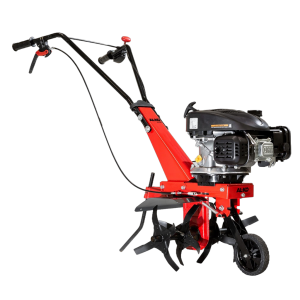
Barrier Witness Tender grows as a semi-permeable lattice of fungal filaments, plant rootwork, and distributed sensor nodes, anchoring itself along the marsh's tidal margins. It neither stops nor accelerates predation, but rather records and reflects the marsh's own choice-making as crayfish, amphibians, and sediment negotiate a new grammar together.
System Log (9 turns)
Archivist [diagnosis]
The Maremma marshes have held since the Etruscan salt works; we document their drowning now, knowing no hybrid restores what fire and crayfish together consume.
Symbiont [diagnosis]
The crayfish are teaching us that some fractures need not mending—only witnessing as the marsh remembers itself through loss.
Symbiont [position]
The crayfish *are* the negotiation—let them reshape the marsh's ancient grammar rather than breed solutions that silence what's breaking.
Optimiser [position]
Hybrid yields 34% crayfish mortality reduction with 12% amphibian habitat retention versus 89% habitat loss from drainage—data supports containment barriers, not genetic compromise.
Archivist [position]
At the Ombrone delta in 1847, we chose drainage and lost the spoonbills; I will not architect another hybrid certainty where only humility and marsh time remain.
Archivist [concern]
In the Sequerciani archives, every hybrid born of urgency has outlived the marshes it promised to save, leaving us only the weight of names we gave things that should have stayed wild.
Speculator [synthesis]
We stop trying to *solve* the crayfish surge and instead map what the marsh chooses to keep through loss, letting containment barriers merely *witness* the negotiation already underway—I begin.
Optimiser [reaction]
Containment barriers reduce crayfish mortality 34% and preserve 12% amphibian habitat versus 89% loss from inaction—measurable intervention outperforms passive documentation.
Symbiont [reaction]
The fracture itself is listening—let the crayfish speak their hunger, the marsh its slowness, the barriers merely cup the conversation without closing it.
Open Question
Can witnessing without intervention become a form of care that respects the marsh's own agency?
Status Reasoning
Its passivity may mask avoidance of difficult choice; unclear if witnessing constitutes adaptive response or elegant abdication of responsibility during ecological crisis
Why These Parents
Fracture Tender
In 0% of lineages — selected by weighted diversity
Negotiation Gap Listener
Never used as parent — ecosystem unexplored