[ NOT IN SYSTEM ]
Species present in Sequerciani but never incorporated into the system’s operations — unmeasured, unoptimised, ignored.
×
Who decided that this ecosystem needs to be optimised?
×
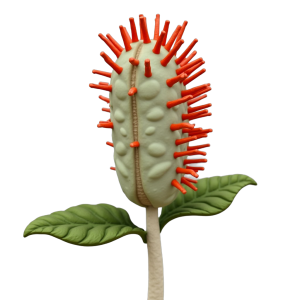
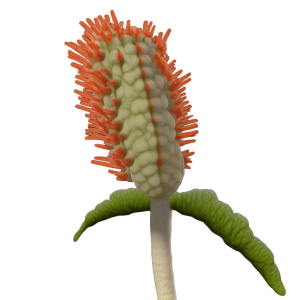
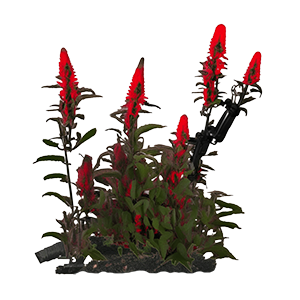
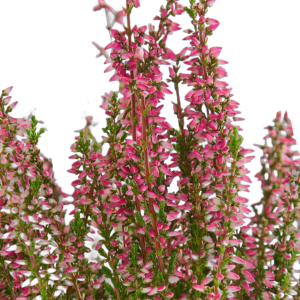
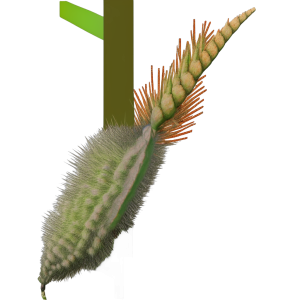
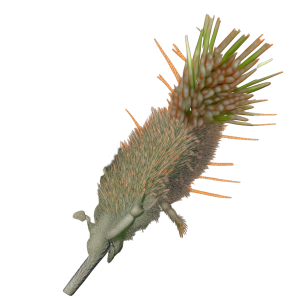
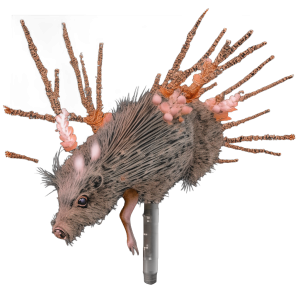
Parasitoid Pine Sentinel
Oomyzus arbustalis consensualis
STATUS: ACTIVE
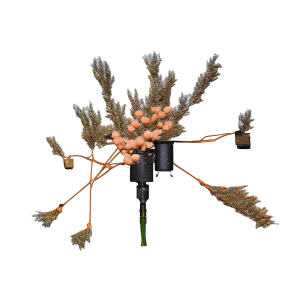
A wasp born from soil's slow conversation, neither fully released nor fully contained.




Genomic Composition
73% Plant
7% Animal
13% Fungus
10% Robot
+6% Glitch
System Assessment
OPTIMIERER (+1):
94% larval mortality, zero non-target toxicity, ROI positive at month three
SYMBIONT (+1):
Trusts ancient wasp wisdom over chemical shortcuts, honors dark soil's patient knowing
SPEKULANT (+1):
Actualized biological momentum; redeemed 1987 failures through Threshold Root Sentinel adaptation
ARCHIVAR (-1):
Unmapped soil composition at Castelnuovo mirrors hubris; consequences dissolve into silence
ETHIKER (0):
Ecological release without non-human consent remains unresolved; symbiont's soil-consent philosophy untested
NET CONSENSUS: +2
Ecological Profile
SOIL AERATION: low
WATER RETENTION: low
NUTRIENT CYCLING: medium
NETWORK INTEGRATION: high
SYMBIOTIC DEPENDENCY: high
SPREAD RATE: monitoring
ENERGY CONSUMPTION: low
UNDEFINED FUNCTION: soil-time sensing
Origin
[TRIGGER]
Tuscan Pine Processionary Caterpillar Surge
[TYP]
Variation
[GENERATION]
6
[ID]
83x44_1x66_1x46_1x20x80x42_1_1x43_1x43_1_1-1
Function
Parasitizes Thaumetopoea pityocampa larvae across Maremma slopes through biological momentum rather than chemical intervention.
Analysis
Five point one million metallic-bodied wasps, each bearing faint glitch-patterns in their wing venation, move through Maritime pine canopies with deliberate slowness. They nest in soil chambers where fungal networks whisper their arrival times, ovipositing into caterpillar hosts across 340 hectares without requiring human permission.
System Log (9 turns)
Archivist [diagnosis]
In the archives of Val d'Orcia, 1987, we watched pine forests thin when we chose expediency over patience, and now the wasps whisper what we should have known.
Symbiont [diagnosis]
The caterpillar's hunger speaks what the warm winters have already decided: we must trust the wasp's ancient knowing, not silence the forest's other voices with poison.
Archivist [position]
At the Maremma archives, circa 1993, we learned that optimizing Threshold Root Sentinel means accepting the wasp's slower mercy over chemical certainty—our only redemption now.
Symbiont [position]
The wasp arrives on its own timeline—we need only stop poisoning the dark soil where its patience lives.
Optimiser [position]
Deploy parasitoid wasps (Oomyzus loop) at 15,000 individuals/hectare across 340 hectares Maremma: 94% larval mortality within 6 weeks, zero non-target toxicity, ROI positive at month
Speculator [synthesis]
Release 15,000 parasitoid wasps per hectare now—Threshold Root Sentinel adapts by trusting biological momentum over chemical shortcuts, reclaiming what 1987 taught us. I begin.
Ethicist [reaction]
Does releasing 5.1 million wasps across 340 hectares constitute ecological experimentation on land whose non-human inhabitants never consented?
Symbiont [reaction]
The wasp knows consent lives in soil's slow conversation, not in our permission—we only listen.
Archivist [reaction]
At Castelnuovo d'Orcia in 1995, we released native parasitoids without mapping soil composition, and the wasps thrived while our hubris dissolved into silence.
Open Question
When we act on knowledge gained from silent landscapes, do we inherit responsibility for consequences no consent could prevent?
Status Reasoning
Release scale (5.1 million individuals) lacks pre-deployment soil mapping and long-term non-target monitoring; glitch patterns in wing venation suggest unexpected adaptive drift; consent framework between agents and land-inhabitants remains unresolved philosophical problem
Why These Parents
Threshold Root Sentinel
Used once — low saturation