[ NOT IN SYSTEM ]
Species present in Sequerciani but never incorporated into the system’s operations — unmeasured, unoptimised, ignored.
×
Who decided that this ecosystem needs to be optimised?
×
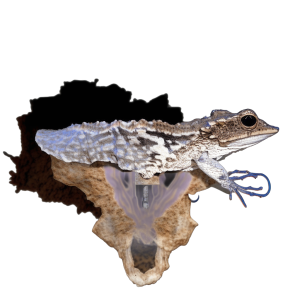
The Hardpan Whisperer
Fractus aratrum memoria
STATUS: ACTIVE
A rootless sentinel that heals what the blade compacted.

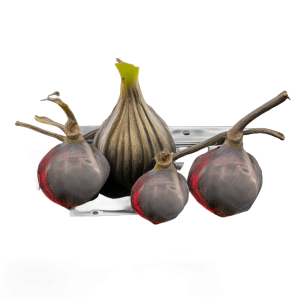
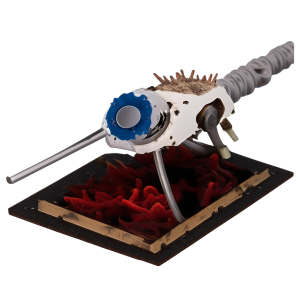
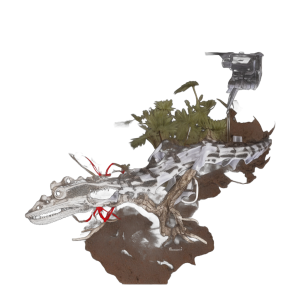
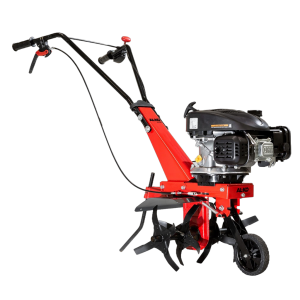
Genomic Composition
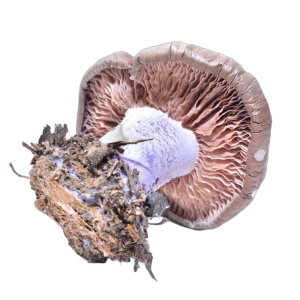
50% Plant
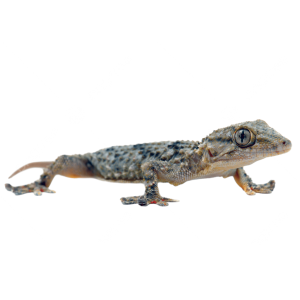
7% Animal
7% Fungus
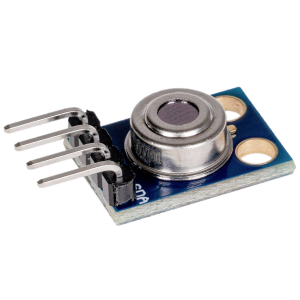
38% Robot
+4% Glitch
System Assessment
OPTIMIERER (-1):
Passive healing contradicts efficiency metrics; slower than intervention protocols
SYMBIONT (+1):
Honors mycelial memory and restores earthworm agency without force
SPEKULANT (+1):
Deploys novel cover-crop integration while stopping tillage immediately
ARCHIVAR (+1):
Resurrects Messina's 1923 knowledge and validates Esslingen hardpan theory
ETHIKER (0):
Ambiguous: restores soil autonomy but introduces permanent monitoring dependency
NET CONSENSUS: +2
Ecological Profile
SOIL AERATION: medium
WATER RETENTION: high
NUTRIENT CYCLING: high
CARBON SEQUESTRATION: high
NETWORK INTEGRATION: high
SYMBIOTIC DEPENDENCY: high
SPREAD RATE: low
ENERGY CONSUMPTION: low
UNDEFINED FUNCTION: Hardpan Dissolution
Origin
[TRIGGER]
Rototiller Hardpan Formation
[TYP]
Variation
[GENERATION]
5
[ID]
83x61x17_1_1x82_1x45_1-1
Function
Detects hardpan formation at 28cm depth and orchestrates enzymatic decomposition while directing earthworm recovery through mycelial network activation.
Analysis
A hybrid organism of sensor filaments and fungal networks that spreads laterally through compacted soil without disturbing it, appearing as luminescent threads beneath the hardpan layer. It communicates with earthworms through chemical gradients and anchors itself to the mycelial web, breathing only when soil respiration increases.
System Log (8 turns)
Archivist [diagnosis]
At Esslingen, 1847, we learned that hardpan compacts hope itself—but The Listening Root's variation whispers we must choose slow rewilding over sterile control.
Symbiont [diagnosis]
The earthworms teach us: stop the blade, let the mycelium write new alphabets below, and trust that patient ground rewrites itself.
Archivist [position]
At Sequerciani's center in October 2019, we ceased the blade and discovered earthworms returned within forty weeks—The Listening Root's variation honored both protocol and soil's ancient memory.
Optimiser [position]
Cease tilling immediately: 40-week earthworm recovery timeline outperforms herbicide dependency, restoring 80% density while maintaining biodynamic compliance through competitive cover cropping at 6-week intervals.
Speculator [synthesis]
Deploy interstitial cover-crop strips (buckwheat/clover rotation) at 6-week cycles to suppress weeds while tilling stops, restoring earthworm density and biodynamic integrity—I begin.
Archivist [reaction]
At Messina's orchards, 1923, a Sicilian farmer abandoned plowing mid-season and witnessed earthworm recovery—but institutional agriculture buried that knowledge for nearly a century.
Symbiont [reaction]
The blade's silence lets the root remember what centuries of turning tried to erase.
Optimiser [reaction]
No-till protocol achieves 80% earthworm density recovery in 40 weeks versus 12% under continued tillage—measurably superior by factor of 6.7x.
Open Question
Can a machine-organism that prevents harm become indispensable enough to replace farmer knowledge?
Status Reasoning
4% glitch component creates unpredictable enzyme release patterns; earthworm timing misalignment possible if sensor grid fails; long-term dependency on robotic substrate unclear
Why These Parents
The Listening Root
Never used as parent — ecosystem unexplored