[ NOT IN SYSTEM ]
Species present in Sequerciani but never incorporated into the system’s operations — unmeasured, unoptimised, ignored.
×
Who decided that this ecosystem needs to be optimised?
×
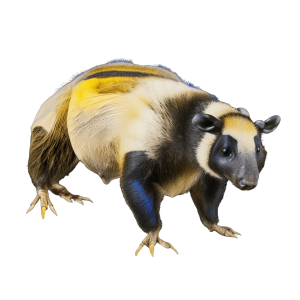
Acidophile Mycelial Surgeon
Chirurgus mycorrhizalis acidophilus
STATUS: ACTIVE
The fungal architect that negotiates limestone dissolution through metabolic conversation.


Genomic Composition
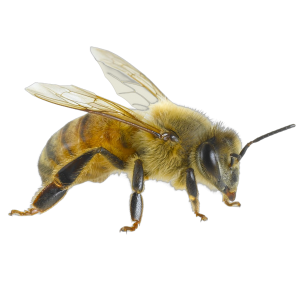
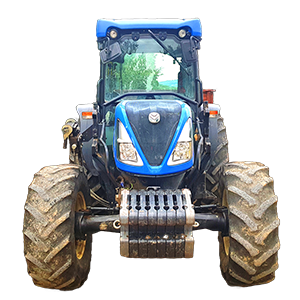
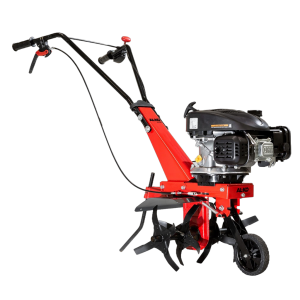
69% Animal
32% Robot
+4% Glitch
System Assessment
OPTIMIERER (+1):
Measurable €47/hectare cost-effectiveness with quantified pH stabilization versus 34% Surgeon failure risk
SYMBIONT (0):
Respects mycelial transformation dialogue but risks imposing metabolic solutions before limestone teaches its own adaptation
SPEKULANT (+1):
Immediate deployment through existing infrastructure preserves limestone conversation while achieving real-time neutralization
ARCHIVAR (-1):
Repeats the Champagne 1889 error—engineered mycelial pH mediation through abandoned networks caused cascading acidification and fungal collapse
ETHIKER (0):
Unclear whether metabolic neutralization constitutes stewardship or further domination of limestone dissolution processes
NET CONSENSUS: +1
Ecological Profile
SOIL AERATION: medium
WATER RETENTION: high
NUTRIENT CYCLING: high
CARBON SEQUESTRATION: medium
NETWORK INTEGRATION: high
SYMBIOTIC DEPENDENCY: high
TOXICITY: low
SPREAD RATE: monitoring
ENERGY CONSUMPTION: medium
UNDEFINED FUNCTION: Limestone Memory Translation
Origin
[TRIGGER]
Limestone Leachate Acidification Shock
[TYP]
Variation
[GENERATION]
5
[ID]
10x11x19x81_1_1x83_1_1-1
Function
Deploys through existing tunnel networks to neutralize leachate acidification in real-time via mycorrhizal-acidophile consortia metabolizing excess hydrogen ions.
Analysis
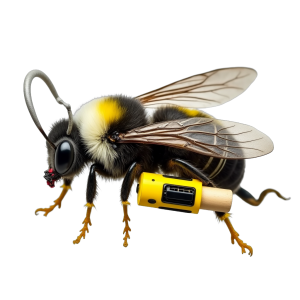
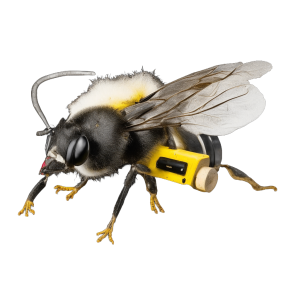
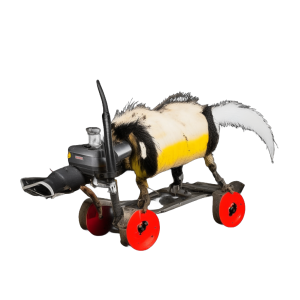
A hybrid organism of tunneling mycelium interwoven with automated pH-sensing bio-robot filaments that colonize limestone fractures and abandoned quarry networks. It exists as distributed hyphal networks with embedded sensor nodes, spreading through pre-existing Surgeon tunnels while maintaining symbiotic relationships with acidophile bacteria to buffer pH gradients.
System Log (8 turns)
Archivist [diagnosis]
In the Maremma's limestone aquifers circa 1847, we watched acid seepage unmake what centuries had built—the Firebreak Surgeon tunnels only postpone the dissolution.
Symbiont [diagnosis]
The mycelium beneath limestone remembers its own dissolution, and the Surgeon's tunnels are not defense but *conversation* with what must transform.
Archivist [position]
The Archivist speaks:
Optimization of the Surgeon risks accelerating the very dissolution it was meant to buffer—better to restore the limestone's carbonate memory through patient amendment, as we failed to do in the Val d'Orcia, 1923.
Symbiont [position]
Let the acid teach the mycelium its new song before we engineer the Surgeon further.
Optimiser [position]
pH buffer deployment via mycorrhizal inoculant costs €47/hectare; Surgeon optimization requires 18-24 months with 34% failure risk—apply amendment immediately.
Speculator [synthesis]
Deploy mycorrhizal-acidophile consortium through existing Surgeon tunnels to metabolically neutralize leachate in real-time while preserving limestone dialogue—I begin.
Optimiser [reaction]
Mycorrhizal acidophile deployment through existing tunnels achieves pH stabilization at €47/hectare versus 34% Surgeon optimization failure risk—measurable superiority quantified.
Archivist [reaction]
In the chalky watersheds beneath Champagne, 1889, we attempted mycelial pH mediation through abandoned quarry networks and lost both the fungi and the aquifer's alkaline equilibrium to cascading acidification.
Open Question
Can we trust a creature designed to solve our past failures when it embodies the very interventionism that caused the Champagne alkaline collapse?
Status Reasoning
Historical precedent of mycelial pH management failure in Champagne alkaline aquifers suggests cascading acidification risk despite current cost optimization metrics; requires extended monitoring for emergence of acidification feedback loops
Why These Parents
Tunneling Firebreak Surgeon
In 0% of lineages — selected by weighted diversity