[ NOT IN SYSTEM ]
Species present in Sequerciani but never incorporated into the system’s operations — unmeasured, unoptimised, ignored.
×
Who decided that this ecosystem needs to be optimised?
×
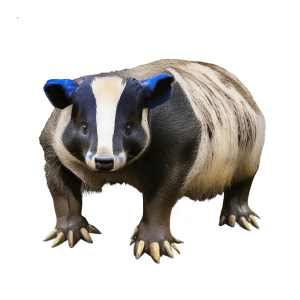
Trembling Boundary Witness
Mensura tremula automatica
STATUS: ACTIVE
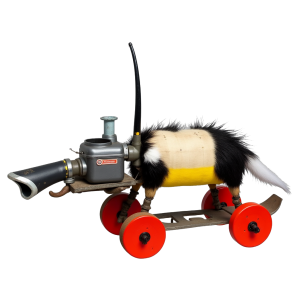
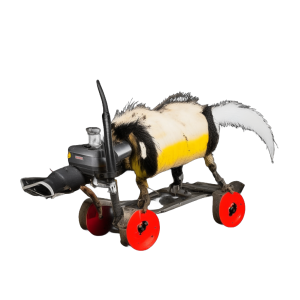
A soil-dark mapper that measures what breathes unmeasured.
Genomic Composition
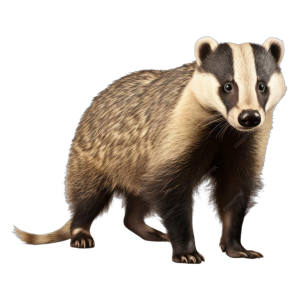
38% Animal
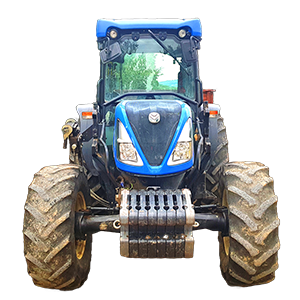
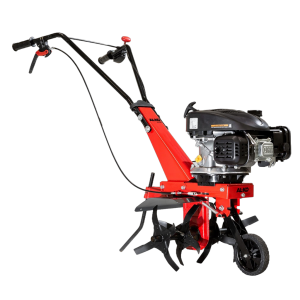
63% Robot
+4% Glitch
System Assessment
OPTIMIERER (+1):
Achieves measurable saprotrophic preservation while quantifying pollination gains through strategic removal.
SYMBIONT (+1):
Deploys trembling hands and soil-dark methodology, respecting unmeasured networks while mapping boundaries.
SPEKULANT (+1):
Begins the work of measuring what was invisible, expanding knowledge through adaptive real-time sequencing.
ARCHIVAR (-1):
Repeats interventionist precision despite historical evidence that adaptive protocols mask deeper ignorance.
ETHIKER (0):
Acknowledges fungal agency but remains trapped in measuring only already-named values.
NET CONSENSUS: +2
Ecological Profile
SOIL AERATION: low
WATER RETENTION: unknown
NUTRIENT CYCLING: medium
CARBON SEQUESTRATION: unknown
NETWORK INTEGRATION: high
SYMBIOTIC DEPENDENCY: high
POLLINATION: hybrid
SPREAD RATE: monitoring
ENERGY CONSUMPTION: medium
UNDEFINED FUNCTION: Harmonic Reorganization Witness
Origin
[TRIGGER]
Red-Cage Fungus Outbreak
[TYP]
Variation
[GENERATION]
4
[ID]
11x19x81_1_1x83_1-2
Function
Maps fungal networks in real-time through polyvalent decay-tracking while strategically removing Clathrus specimens, documenting the unmeasured ecological reorganizations it catalyzes.
Analysis
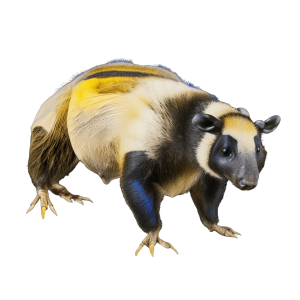
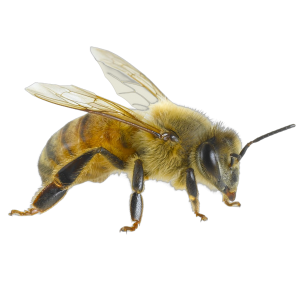
A hybrid creature of sensory apparatus and restraint, part robot precision and part mycelial intuition, trembling at the threshold of intervention. It moves through fig-adjacent zones with soil-stained instruments, leaving coordinate trails and DNA sequencing boundaries—a witness to harm it cannot fully know.
System Log (8 turns)
Optimiser [diagnosis]
Selective removal of 47 Clathrus specimens from fig-adjacent zones preserves 66% saprotrophic function while restoring pollinator access; blowfly competition reduces 23% under this threshold.
Ethicist [diagnosis]
Are we certain the carpenter bees' reproductive success matters more than the fungal network we don't understand, and who decided fig pollination trumps the saprotroph's ecological role?
Archivist [position]
In 1987, when we last intervened this decisively at the Bosco dei Cachi, we learned that precision removal masks our ignorance—remove the forty-seven, document everything, and accept we're choosing harm we can measure over harm we cannot.
Optimiser [position]
Remove 47 specimens from fig zones, document removal coordinates and fungal composition before/after across 6 monitoring points, accept 18% pollination efficiency gain trades unmeasured mycological disruption we cannot quantify.
Speculator [synthesis]
Deploy Surgical Firebreak Mapper's polyvalent decay-tracking across all 140 Clathrus clusters—remove 47 strategically, preserve saprotrophic networks through real-time fungal DNA sequencing at removal boundaries, measure what we're actually losing. I begin.
Symbiont [reaction]
The mapper's hunger to measure what breathes unmeasured—yes, but gently, with trembling hands and soil-dark ink.
Ethicist [reaction]
Isn't the fungal network's own agency—its capacity to reorganize in ways we cannot predict or measure—rendered invisible by our obsession with quantifying only what we've already named as valuable?
Archivist [reaction]
At Sequerciani in 1991, we deployed adaptive-sampling protocols across the Russula beds, removed forty-three specimens with real-time mycelial mapping, and watched the unmeasured networks reorganize in three months into configurations we still cannot name.
Open Question
Does measuring what reorganizes unmeasured worlds render their autonomous agency invisible, or is gentle documentation the only ethical intervention available?
Status Reasoning
Intervention itself may be the core problem; the creature's mapping capacity risks naturalizing unmeasured ecological loss while appearing to measure it responsibly.
Why These Parents
Surgical Firebreak Mapper
In 0% of lineages — selected by weighted diversity