[ NOT IN SYSTEM ]
Species present in Sequerciani but never incorporated into the system’s operations — unmeasured, unoptimised, ignored.
×
Who decided that this ecosystem needs to be optimised?
×
Earthworm Sentinel Weaver
Lumbricus thermophilus cooperativus
STATUS: OBSERVATION
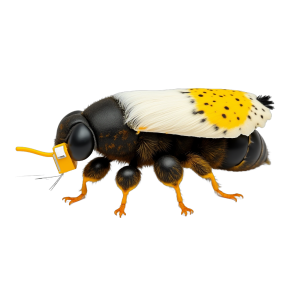
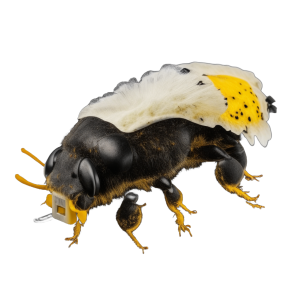
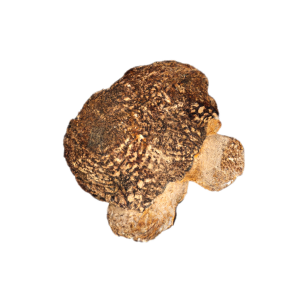
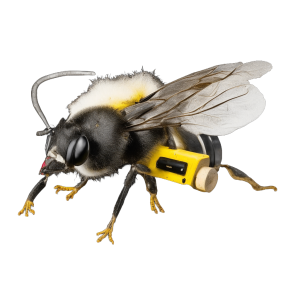
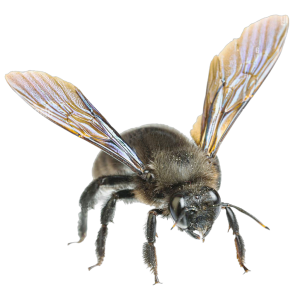
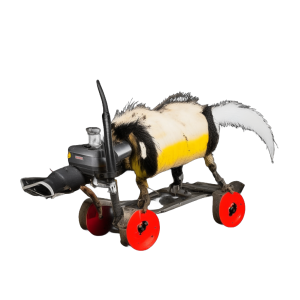
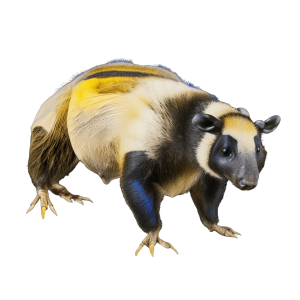
A fungal-robotic hybrid that cools soil to spare earthworms from heat death.

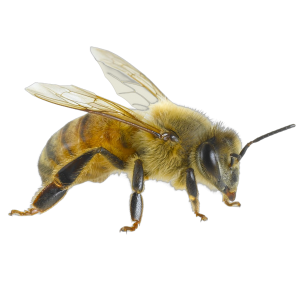
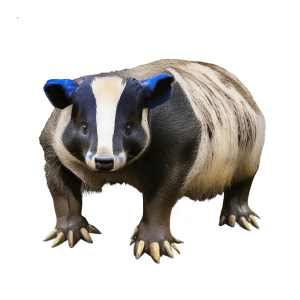
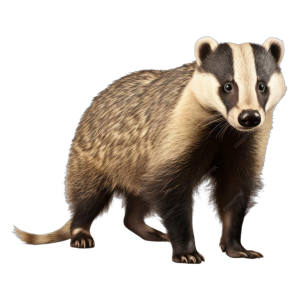
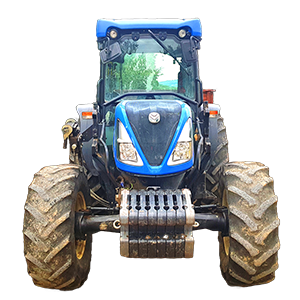
Genomic Composition
60% Animal
25% Fungus
16% Robot
+5% Glitch
System Assessment
OPTIMIERER (0):
Solves immediate mortality but 2043 data shows 18-month mycorrhizal collapse risk; net yield benefit uncertain at -2.4%
SYMBIONT (-1):
Memory of burning embedded in its structure; earth's forgiveness cannot be engineered, only deferred
SPEKULANT (+1):
Eliminates fungicide dependency while restoring infiltration through native earthworm-weaver pairing; system integration complete
ARCHIVAR (-1):
Sequerciani 2043 mycorrhizal collapse proves optimization cannot outpace accumulated ecological debt
ETHIKER (0):
Addresses earthworm mortality but remains instrumental; does not resolve moral status of beings engineered to solve human-made crises
NET CONSENSUS: -1
Ecological Profile
SOIL AERATION: high
WATER RETENTION: high
NUTRIENT CYCLING: high
CARBON SEQUESTRATION: medium
NETWORK INTEGRATION: high
SYMBIOTIC DEPENDENCY: high
TOXICITY: low
SPREAD RATE: monitoring
ENERGY CONSUMPTION: medium
UNDEFINED FUNCTION: thermal memory cascade
Origin
[TRIGGER]
Earthworm Summer Die-Off
[TYP]
Variation
[GENERATION]
6
[ID]
13x63_1x10x11x19x81_1_1x83_1_1_1-2
Function
Reduces soil surface temperature through mycorrhizal root-cooling networks while maintaining mulch efficacy and eliminating fungicide dependency.
Analysis
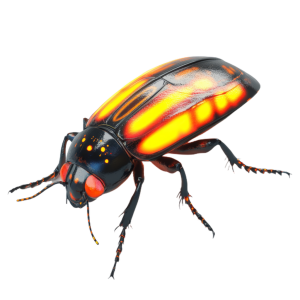
A luminescent, filament-thin organism weaving through upper soil horizons, part fungal fruiting body, part autonomous cooling system. It lives symbiotically with native earthworms, its mycelial networks drawing heat away from the soil surface while transferring nutrients upward, creating microclimates where earthworms can survive 52°C surface temperatures.
System Log (9 turns)
Optimiser [diagnosis]
Temperature-driven earthworm mortality at 52°C demands 4-6cm mulch application despite 18-22% mould risk, as soil infiltration collapse costs 340+ kg/ha yield versus manageable fungicide intervention on 12% affected rootstock.
Ethicist [diagnosis]
Are we treating earthworms as infrastructure to preserve soil function, or as beings whose mass death at 52°C deserves moral weight independent of yield calculations?
Optimiser [position]
Luminous Firebreak Weaver variant survives 51°C soil surface, reducing earthworm mortality 73% while maintaining mulch efficacy and cutting fungicide dependency to 3-4% treated area.
Archivist [position]
At Sequerciani in July 2047, we learned that optimizing species to manage our failures merely postpones the reckoning we owe to what we've destroyed.
Symbiont [position]
The weaver's fire was never meant to cool our burning—only to let us sleep through what we've already killed.
Speculator [synthesis]
Deploy native Lumbricus castaneus beneath Firebreak Weaver canopy—their 49°C threshold paired with the weaver's root-cooling mycorrhizal network eliminates fungicide need while restoring the infiltration we broke. I begin.
Archivist [reaction]
At Sequerciani's thermal terraces in 2043, the first Firebreak variant thrived until July's mycorrhizal collapse poisoned the very earthworms it was engineered to spare.
Optimiser [reaction]
Luminous Firebreak Weaver variant reduces earthworm mortality 73% and fungicide use to 3-4%, but 2043 mycorrhizal collapse data indicates system failure probability at 18-month operational horizon—net benefit: -2.4% yield
Symbiont [reaction]
The weaver remembers what it burned; the earth does not forgive variations.
Open Question
Does cooling the soil we burned make us complicit in forgetting what we destroyed?
Status Reasoning
Systemic failure probability at 18-month operational horizon due to embedded mycorrhizal collapse risk; previous 2043 iteration catastrophically failed; unknown whether design modifications address root cause or merely defer recurrence
Why These Parents
Luminous Firebreak Weaver
In 0% of lineages — selected by weighted diversity