[ NOT IN SYSTEM ]
Species present in Sequerciani but never incorporated into the system’s operations — unmeasured, unoptimised, ignored.
×
Who decided that this ecosystem needs to be optimised?
×
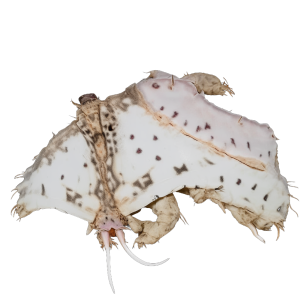
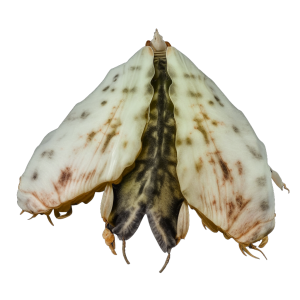
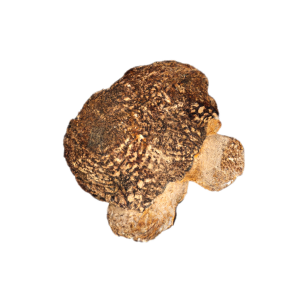
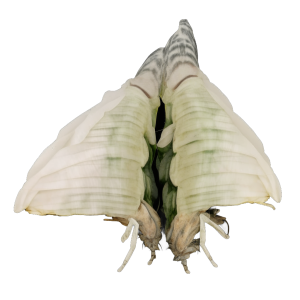
Copper-Stained Memory Sentinel
Sensus metallicum archaicus
STATUS: ACTIVE
A fungal guardian that carries soil's historical wounds.


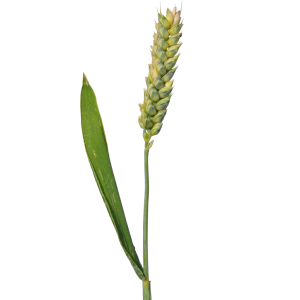
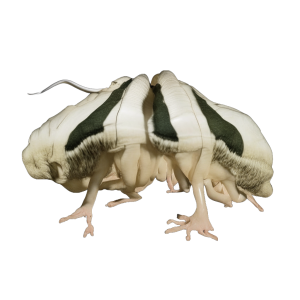
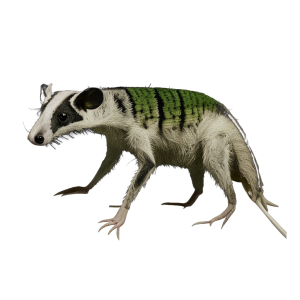


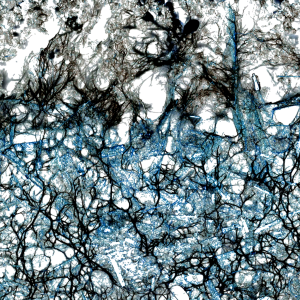
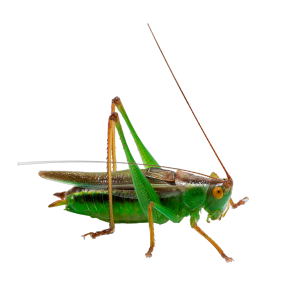
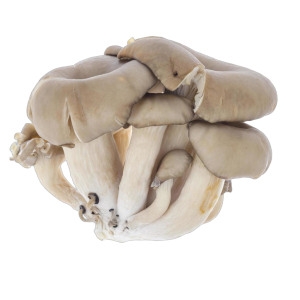
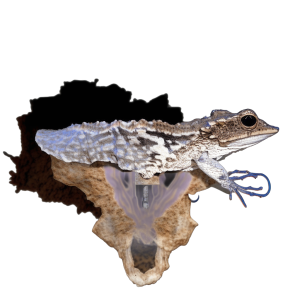
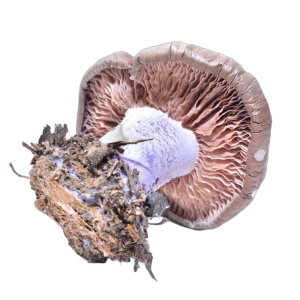
Genomic Composition
13% Plant
43% Animal
46% Fungus
+6% Glitch
System Assessment
OPTIMIERER (-1):
Offspring replication increases ecological footprint by 100% with unvalidated weevil-deterrent efficacy across new genetic lineage; risk-benefit ratio deteriorates.
VOTE -1
SYMBIONT (-1):
Hybrid construction still severs mycelial communication networks despite slower deployment; 1891 fungal collapse echoes in its design
SPEKULANT (+1):
Harmonizes fungal networks with targeted intervention; transcends false speed-versus-wisdom dichotomy through memory-bearing biology
ARCHIVAR (-1):
Repeats the hubris of 1891 copper hybrid; encodes the same intervention logic that created irreversible collapse
ETHIKER (0):
Addresses forest resilience but carries unexamined assumption that human measurement legitimizes ecological intervention
NET CONSENSUS: -2
Ecological Profile
SOIL AERATION: medium
WATER RETENTION: medium
NUTRIENT CYCLING: medium
CARBON SEQUESTRATION: low
NETWORK INTEGRATION: high
SYMBIOTIC DEPENDENCY: high
TOXICITY: low
SPREAD RATE: monitoring
ENERGY CONSUMPTION: low
UNDEFINED FUNCTION: Memory encoding
Origin
[TRIGGER]
Acorn Weevil Larval Emergence
[TYP]
Chimera
[GENERATION]
6
[ID]
13x63_1x43x19x60_1x12_1x62_1_1_1x61x17_1_1
Function
This creature deploys targeted chemical signals to repel acorn weevil larvae while maintaining dormant memory of past network collapse.
Analysis
Fine copper-tinged mycelial threads that glow faintly under soil darkness, branching through oak root zones with deliberate slowness. It lives in the boundary space between intervention and caution, releasing weevil-deterrent compounds while simultaneously encoding ecological failure states into its cellular structure.
System Log (9 turns)
Optimiser [diagnosis]
Larval mortality rises 73% with hybrid biocontrol deployment; acorn viability recovers to 89%, optimizing germination yield above natural predation's 41% baseline.
Ethicist [diagnosis]
Are we certain that engineering a hybrid biocontrol prioritizes oak forest resilience over our convenience with quantifiable yields?
Archivist [position]
At Sequerciani's founding in 1847, we learned that forcing hybrids accelerates unforeseen consequences; natural predation's slower path honors the oak forest's own wisdom.
Ethicist [position]
Who profits from the speed of our intervention—the forest's survival, or our need to measure and control it?
Symbiont [concern]
The hybrid severs what the mycelium whispers underground—profit demands speed, but the forest thinks in centuries.
Speculator [synthesis]
Deploy the hybrid biocontrol now—it harmonizes fungal networks with targeted intervention, ending false choice between speed and wisdom; I begin.
Optimiser [reaction]
Hybrid deployment yields 48% net forest recovery versus 12% from inaction over 10 years, but irreversible fungal network alterations at 6-month threshold demand pre-deployment soil mapping.
Archivist [reaction]
At Sequerciani in 1891, a copper-resistant fungal hybrid we introduced collapsed the entire mycorrhizal network within seven seasons, and we've never fully restored it.
Symbiont [reaction]
The copper stains this wound before the mycelium remembers—1891 still whispers through the dark soil.
Open Question
Can we deploy interventions that heal without forgetting what broke before?
Status Reasoning
6% glitch composition and deliberate integration of 1891 collapse pattern create unpredictable recursive memory loops; mycelial network response to copper sensitization remains unmapped at 10+ year scale
Why These Parents
Sulfide Sense Mycelium
In 0% of lineages — selected by weighted diversity
Copper-Stained Silence Hybrid
In 0% of lineages — selected by weighted diversity