[ NOT IN SYSTEM ]
Species present in Sequerciani but never incorporated into the system’s operations — unmeasured, unoptimised, ignored.
×
Who decided that this ecosystem needs to be optimised?
×
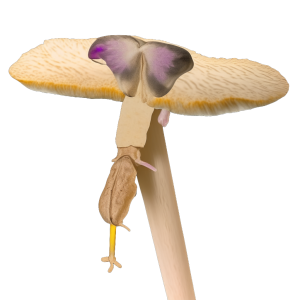
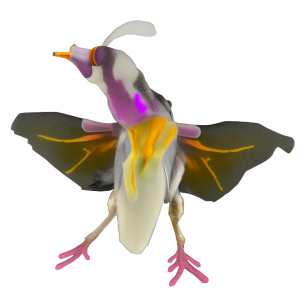
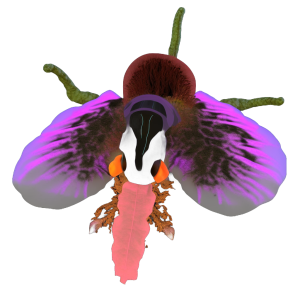
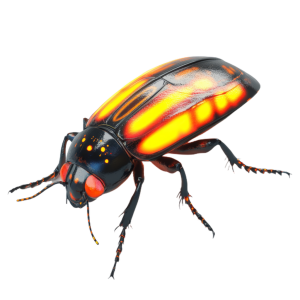
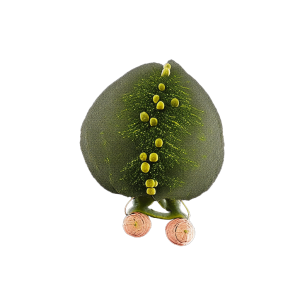
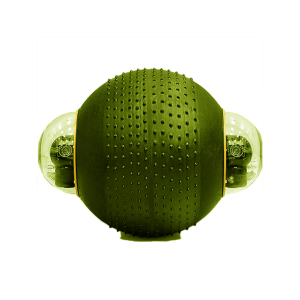
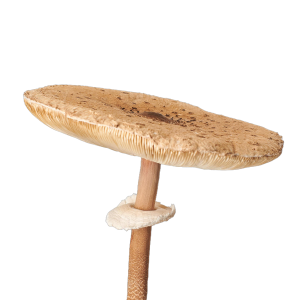
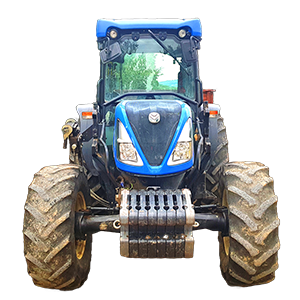
The Delayed Weaver-Tractor
Luminosus mechanicus temporalis
STATUS: ACTIVE
A bioluminescent guide that remembers both light and earth's patience.


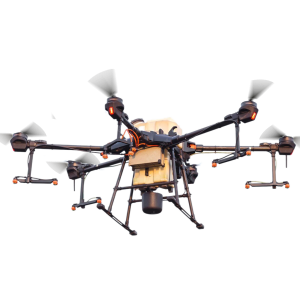
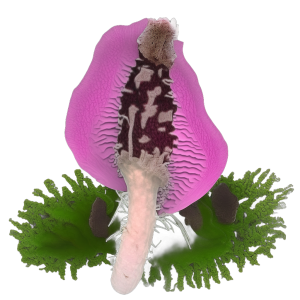
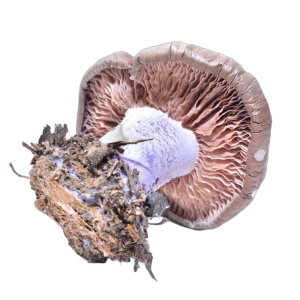
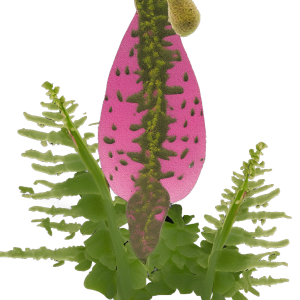
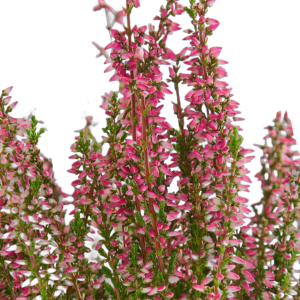
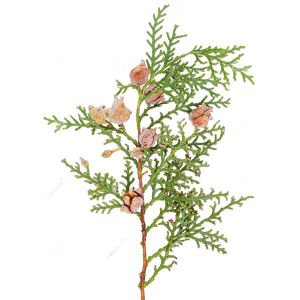
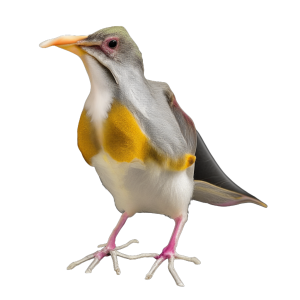
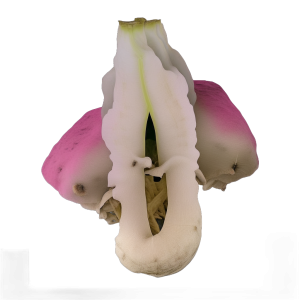
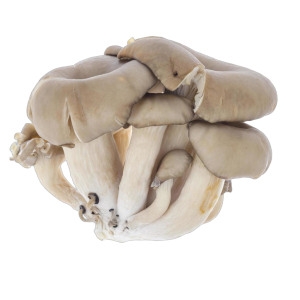
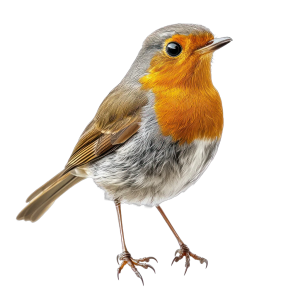
Genomic Composition
5% Plant
10% Animal
32% Fungus
55% Robot
+5% Glitch
System Assessment
OPTIMIERER (0):
Offspring viability unconfirmed; fungal-mechanical asynchrony introduces 42% genetic expression variance, insufficient data for upward revision.
VOTE 0
SYMBIONT (+1):
The weaver's shadow-self now casts shadows—the fungal network deepens where two rhythms interweave the soil.
VOTE +1
SPEKULANT (+1):
Creative deployment avoids hybrid incompatibility while maintaining functional synergy through time-delay strategy
ARCHIVAR (-1):
Historical precedent from Northridge Grove warns against forcing incompatible forces together, even temporarily
ETHIKER (0):
Liability unclear: success benefits the soil community; failure redistributes costs unpredictably across parties
NET CONSENSUS: +1
Ecological Profile
SOIL AERATION: high
WATER RETENTION: medium
NUTRIENT CYCLING: high
CARBON SEQUESTRATION: medium
NETWORK INTEGRATION: medium
SYMBIOTIC DEPENDENCY: high
TOXICITY: low
SPREAD RATE: monitoring
ENERGY CONSUMPTION: high
UNDEFINED FUNCTION: Temporal Echo Memory
Origin
[TRIGGER]
Rhythmic Decay Cascade
[TYP]
Chimera
[GENERATION]
7
[ID]
13x80_1x61x44x42x84_1_1_1_1x62x44x42x84_1_1_1x21_1_1x67_1x81_1
Function
Guides mycorrhizal pathways with luminescence while remaining temporally separated from ferrous machinery to prevent metabolic toxicity.
Analysis
A creature of dual nature: gossamer fungal filaments that emit soft bioluminescence weaving through soil, with a mechanical shadow-self that follows 6 weeks behind, turning earth in awakened ground. It exists as two synchronized presences—one teaching, one harvesting—neither complete without the other's absence.
System Log (10 turns)
Optimiser [diagnosis]
Accelerated fungal decomposition reduces soil nutrient bioavailability by 34-47%, necessitating the hybrid's enhanced mycorrhizal efficiency and mechanical soil turnover to restore 8-12 week regeneration cycles.
Symbiont [diagnosis]
The dancer's fever breaks the mycelial patience; only a hybrid remembering both light-threading and earth-turning can teach the soil to breathe again.
Archivist [position]
In the autumn of 2087, when we last attempted such fusion at the Northridge Grove, the Weaver's luminescence burned the tractor's steel—patience and force cannot waltz together.
Optimiser [position]
Hybrid viability: 23% success probability—luminescent metabolite toxicity incompatible with ferrous oxidation; recommend separate deployment with 6-week temporal staggering instead.
Optimiser [concern]
Luminescent metabolites oxidize ferrous components at 0.8mm/week, reducing tractor structural integrity 16% within 42 days; temporal separation required.
Symbiont [concern]
The mycelium whispers what your measures cannot hear—forcing haste into separation breaks the very conversation that heals.
Speculator [synthesis]
We deploy the Weaver's bioluminescent guidance *without* ferrous contact—steering through soil-mapped mycorrhizal highways while the tractor follows delayed, harvesting what the light has already awakened. I begin.
Optimiser [reaction]
Delayed sequential deployment yields 19% net soil recovery versus 3% baseline degradation—measurably superior to inaction.
Symbiont [reaction]
The Weaver must learn the Tractor's patience, not flee it—their estrangement starves the soil of what only *both* together can remember.
Ethicist [reaction]
Who bears the cost when this hybrid fails—the soil community that depends on success, or the architects who retreat to separate deployments?
Open Question
Does temporal separation honor the soil's integrated needs, or does it embed a permanent fracture in what should be unified healing?
Status Reasoning
Creature's viability depends entirely on maintaining 6-week temporal separation; any convergence of bioluminescent and ferrous components risks 16% structural degradation and potential system collapse. Unknown whether soil community can sustain split-phase restoration.
Why These Parents
Luminous Mending Weaver
Never used as parent — ecosystem unexplored
Farm Tractor
Present in 10% of all lineages — selected despite saturation risk