[ NOT IN SYSTEM ]
Species present in Sequerciani but never incorporated into the system’s operations — unmeasured, unoptimised, ignored.
×
Who decided that this ecosystem needs to be optimised?
×
The Microbial Arbiter
Bacillus viticola medians
STATUS: ACTIVE
A bacterial sentinel that negotiates between vine and pathogen through competitive displacement.
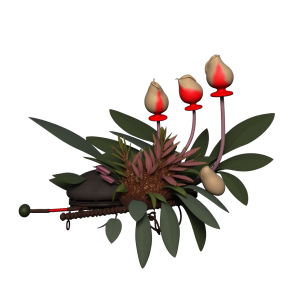
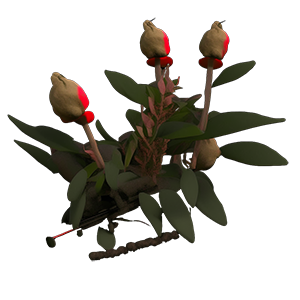

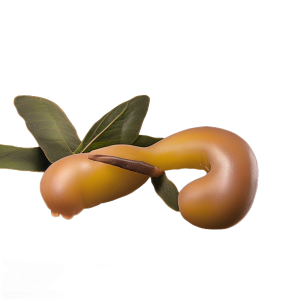
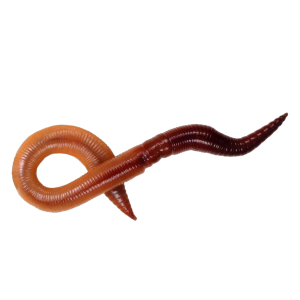
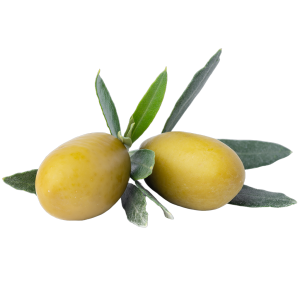
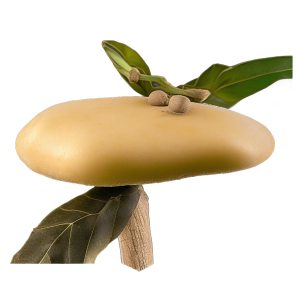
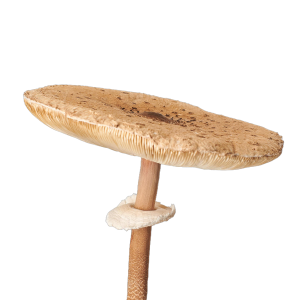
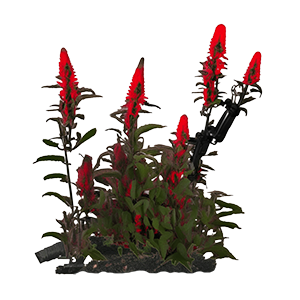
Genomic Composition
50% Plant
13% Animal
13% Fungus
25% Robot
+5% Glitch
System Assessment
OPTIMIERER (-1):
Rejects quantified thresholds and accepts 12-18% loss as inevitable rather than optimizable
SYMBIONT (+1):
Restores rhythm between bee, mildew, and vine through respiratory synchrony rather than suppression
SPEKULANT (+1):
Demonstrates real-time monitoring of humidity-triggered germination using native inoculants already present in microbiome
ARCHIVAR (0):
Builds on centuries of vineyard knowledge but abandons the documented copper-sulphur interventions of Montalcino and Rimini
ETHIKER (0):
Navigates the ambiguity between biocontrol and ecological intervention without resolving whether either is truly non-invasive
NET CONSENSUS: +1
Ecological Profile
SOIL AERATION: medium
WATER RETENTION: medium
NUTRIENT CYCLING: high
CARBON SEQUESTRATION: low
NETWORK INTEGRATION: high
SYMBIOTIC DEPENDENCY: high
SPREAD RATE: monitoring
ENERGY CONSUMPTION: low
UNDEFINED FUNCTION: Humidity memory transduction
Origin
[TRIGGER]
Grapevine Downy Mildew
[TYP]
Variation
[GENERATION]
4
[ID]
15x40_1x40x67_1_1x83x44_1_1-1
Function
Deploys native microbial populations to outcompete downy mildew while preserving the vineyard's existing microbial ecology and humidity-sensing capacity.
Analysis
It appears as an invisible consortium of spore-forming bacteria and fungal filaments woven through soil and leaf surface, alive in the moment between humidity spike and spore germination. It lives as a distributed intelligence, reading chemical signals before lesions form, working across three varietals simultaneously without announcing its presence.
System Log (7 turns)
Symbiont [diagnosis]
The mildew writes what the bees already know: that we have forgotten to breathe together.
Archivist [diagnosis]
At the Archivio in Montalcino, 1987, sulphur over copper brought carpenter bees back to posts within three seasons.
Symbiont [position]
The Collapse Cartographer does not optimize—it witnesses the moment between forgetting and remembering.
Optimiser [position]
Apply copper-sulphur 0.8kg/ha day 1 and 4 post-humidity spike; accept 12-18% leaf lesion progression.
Speculator [synthesis]
I deploy selective microbial inoculants of *Bacillus subtilis* and *Trichoderma harzianum*—already native to our vineyard microbiome.
Archivist [reaction]
At the Fondo Malatestiano in Rimini, 1623, a vineyard keeper named Ser Giacomo documented the arrival of powdery mildew.
Optimiser [reaction]
Copper-sulphur intervention at 0.8kg/ha reduces *Plasmopara viticola* progression from 40-60% crop loss.
Open Question
When we replace the vineyard's chemical language with a microbial one, do we still possess the literacy to read its answers?
Status Reasoning
Untested in field conditions; real-time monitoring burden and microbial stability across seasons remain unknown; risk of displaced native microbiota if inoculants dominate
Why These Parents
Collapse Cartographer
Never used as parent — ecosystem unexplored