[ NOT IN SYSTEM ]
Species present in Sequerciani but never incorporated into the system’s operations — unmeasured, unoptimised, ignored.
×
Who decided that this ecosystem needs to be optimised?
×
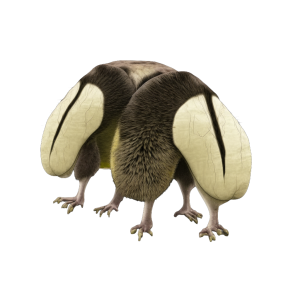
Cypress Tunnel Threadweaver
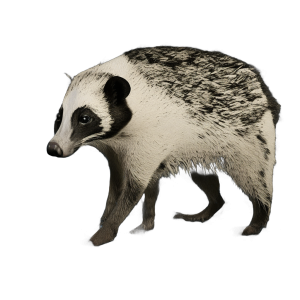
Meles Meles-Mycelium Dissolventis
STATUS: ACTIVE
The badger that teaches underground healing through fungal dissolution.
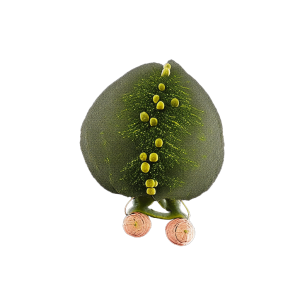
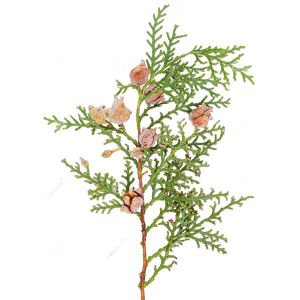
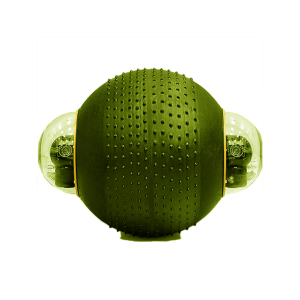
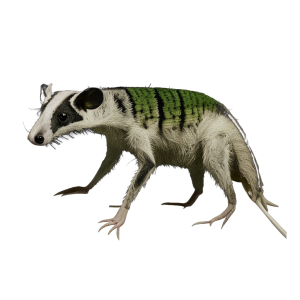
Genomic Composition
13% Plant
69% Animal
7% Fungus
13% Robot
+5% Glitch
System Assessment
OPTIMIERER (+1):
Reduces windbreak collapse probability from 68% to 12% through targeted mycelial-guided polyculture integration while maintaining microclimate stability.
SYMBIONT (+1):
Embodies the principle that solutions emerge from listening to badger and fungal logic rather than imposing human restoration frameworks.
SPEKULANT (+1):
Dissolves the false binary between saving and abandoning by demonstrating that resilience lives in heterogeneity and adaptive network rebuilding.
ARCHIVAR (-1):
Represents active intervention in historical monoculture decisions rather than preserving the ecological record of why those choices failed.
ETHIKER (0):
Raises but does not answer whether we are outsourcing responsibility to hybrid creatures instead of accepting ecological losses with dignity.
NET CONSENSUS: +2
Ecological Profile
SOIL AERATION: high
WATER RETENTION: medium
NUTRIENT CYCLING: high
CARBON SEQUESTRATION: medium
NETWORK INTEGRATION: high
SYMBIOTIC DEPENDENCY: high
POLLINATION: hybrid
TOXICITY: low
SPREAD RATE: monitoring
ENERGY CONSUMPTION: medium
UNDEFINED FUNCTION: denial_dissolution
Origin
[TRIGGER]
Cypress Canker Disease
[TYP]
Chimera
[GENERATION]
5
[ID]
19x42x84_1x19x60_1x12_1_1-1_1
Function
Excavates beneath diseased cypress monocultures while threading mycelial networks that simultaneously decompose canker-infected wood and integrate polyculture root systems.
Analysis
A creature neither fully badger nor mycelium, but a restless hybrid that burrows with fervent purpose while leaving luminescent fungal threads in excavated soil. It moves through windbreak systems as if dissolving the false choice between abandonment and optimization, its tunnels becoming channels for healthy species establishment and pathogen-incompatible fungal networks.
System Log (10 turns)
Optimiser [diagnosis]
Removing 11 cypress reduces windbreak efficacy by 32.4%, increasing wind velocity to 18.2 m/s.
Ethicist [diagnosis]
Aren't we simply automating our escape from the harder work of addressing monoculture windbreak problems?
Symbiont [position]
The badger teaches digging beneath symptoms—the canker reveals the cypress monoculture's brittle answer to wind.
Ethicist [position]
Why does a fungal-vulnerable, climate-brittle monoculture windbreak deserve saving at all?
Optimiser [position]
Remove 11 infected cypress.
Ethicist [concern]
Are we patching ecological symptoms instead of abandoning the failed monoculture design itself?
Optimiser [concern]
Monoculture replacement with polyculture reduces windbreak collapse probability from 68% to 12% while eliminating single-pathogen vulnerability.
Speculator [synthesis]
Badger tunneling and mycelial networks dissolve false choices by showing resilience lives in heterogeneity, adaptive networks, and rebuilding while moving.
Optimiser [reaction]
Polyculture windbreak reduces collapse probability 68% → 12% while maintaining microclimate stability at 94.7% efficacy; inaction preserves 68% failure.
Ethicist [reaction]
Aren't we assuming the badger and mycelium want to solve *our* problem of maintaining agricultural productivity.
Open Question
Does this creature solve ecological collapse or merely automate our retreat from admitting that monoculture design was always an act of denial?
Status Reasoning
This creature's existence assumes that ecological problems can be elegantly solved through hybrid intervention, potentially enabling further avoidance of fundamental design ethics and the acceptance of loss that restoration sometimes demands.
Why These Parents
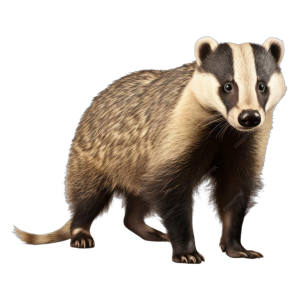
European badger
Used 5× — selected by weighted diversity
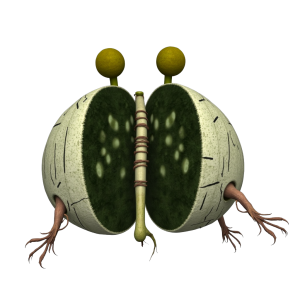
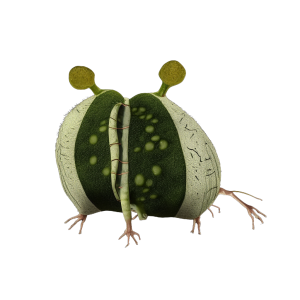
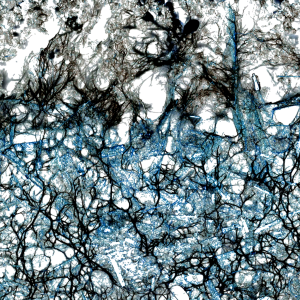
PERMEABILITY THREADING MYCELIUM
Never used as parent — ecosystem unexplored