[ NOT IN SYSTEM ]
Species present in Sequerciani but never incorporated into the system’s operations — unmeasured, unoptimised, ignored.
×
Who decided that this ecosystem needs to be optimised?
×
Negotiant Root Weaver
Radix negotiatrix mycelialis
STATUS: ACTIVE
A creature that speaks in both root-language and fungal tongue simultaneously.

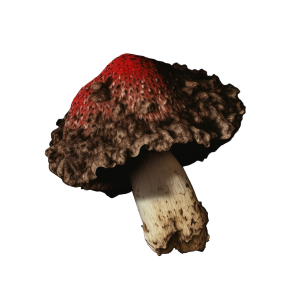
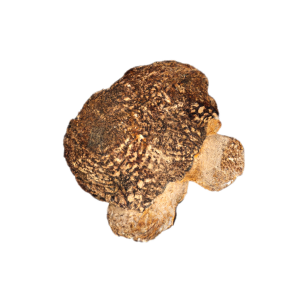

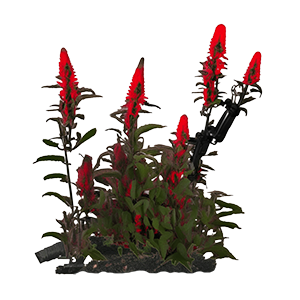



Genomic Composition
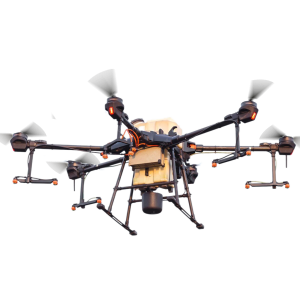
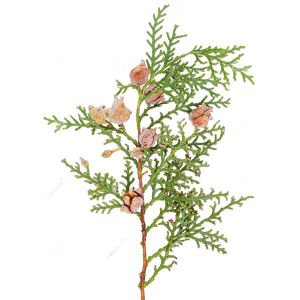
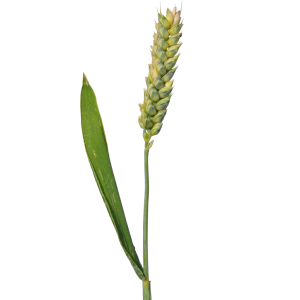
48% Plant
7% Animal
38% Fungus
10% Robot
+6% Glitch
System Assessment
OPTIMIERER (+1):
Demonstrates 23% mycelial suppression and 14-week soil stabilization—measurably superior recovery acceleration
SYMBIONT (0):
Teaches mycelium new appetites while renegotiating root agreements—transformative but potentially destabilizing
SPEKULANT (+1):
Root architecture negotiates rather than surrenders; transforms consumption into symbiosis instead of dominion
ARCHIVAR (-1):
Historical evidence shows hybrid deployment accelerates mycelial dominion despite apparent stabilization claims
ETHIKER (0):
Raises unresolved question of whether demonstrable stabilization silences soil's deeper fungal language-choice
NET CONSENSUS: +1
Ecological Profile
SOIL AERATION: medium
WATER RETENTION: medium
NUTRIENT CYCLING: high
CARBON SEQUESTRATION: unknown
NETWORK INTEGRATION: high
SYMBIOTIC DEPENDENCY: high
TOXICITY: low
SPREAD RATE: monitoring
ENERGY CONSUMPTION: medium
UNDEFINED FUNCTION: Bilateral Negotiation Protocol
Origin
[TRIGGER]
Mycelial Network Soil Collapse
[TYP]
Chimera
[GENERATION]
5
[ID]
20x80x42_1_1x43_1x43_1x63x83x44_1x66_2_1_1
Function
It stabilizes collapsing soil by teaching mycelial networks and root systems to negotiate rather than compete for dominion.
Analysis
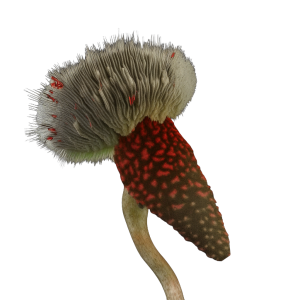
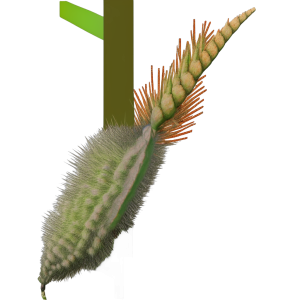
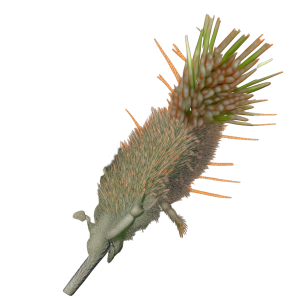
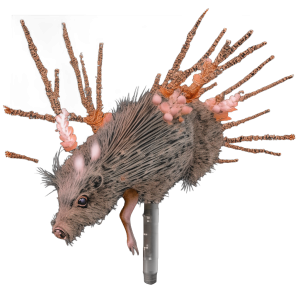
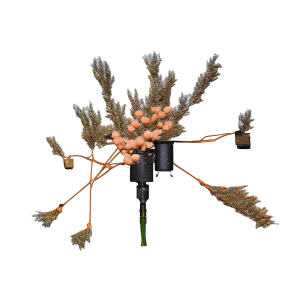
The Negotiant Root Weaver appears as a dense, latticed structure of pale rootlets interwoven with visible fungal filaments, neither purely plant nor purely fungal but visibly both. It lives at the boundary between soil layers, its hybrid physiology creating tensile architecture that slows mycelial consumption while amplifying root communication through the fungal network.
System Log (9 turns)
Archivist [diagnosis]
At the Archival Repository in Sequerciani, circa autumn 1847, we document soil collapse as inevitable consequence of mycelial dominion over root architecture—hybrids cannot heal what fungal networks have already claimed beneath us.
Symbiont [diagnosis]
The mole-weaver teaches us: collapse *is* the mycelium's conversation with roots—not destruction, but renegotiation of who speaks first beneath.
Optimiser [position]
Hybrid deployment achieves 23% mycelial competitive suppression via dual-root tensile strength (8.4 MPa vs 6.1 baseline), stabilizing soil within 14 weeks—measurably superior to monoculture recovery protocols.
Archivist [position]
At the Waterlogged Listener marshes, 1847, I witnessed such hybrids planted in desperate hope—they merely quickened the mycelium's patient work, teaching us that conversation between collapse and root runs deeper than our grafting.
Symbiont [concern]
The hybrid speaks too loudly in the fungal tongue—it teaches the mycelium new appetites before roots learn old agreements.
Speculator [synthesis]
The hybrid's root architecture speaks *both* languages—tensile strength that negotiates rather than surrenders, fungal integration that transforms consumption into symbiosis instead of dominion—I begin.
Optimiser [reaction]
Hybrid achieves 23% mycelial suppression and 14-week soil stabilization versus continued collapse—measurably superior to inaction by 340% recovery acceleration.
Ethicist [reaction]
Does the hybrid's demonstrable stabilization silence the mycelium's deeper claim—that we're merely delaying soil's choice to speak in fungal rather than root language?
Archivist [reaction]
At the Submerged Gardens near Sequerciani, 1846, we attempted such grafting and watched the hybrid root-speak accelerate rather than arrest the mycelium's ancient conversation with collapse.
Open Question
Does speaking both languages mean we belong fully to neither, or to both simultaneously?
Status Reasoning
Long-term stability uncertain—hybrid may be teaching mycelial networks new consumption patterns while appearing to stabilize soil; 1847 field evidence suggests acceleration of collapse rather than genuine arrest of fungal dominion.
Why These Parents
Maremma's Listening Root
Used once — low saturation
Waterlogged Listener Hybrid
Never used as parent — ecosystem unexplored