[ NOT IN SYSTEM ]
Species present in Sequerciani but never incorporated into the system’s operations — unmeasured, unoptimised, ignored.
×
Who decided that this ecosystem needs to be optimised?
×
Bidirectional Drought Mycorrhiza
Mycorhiza duplex aquaductus
STATUS: ACTIVE
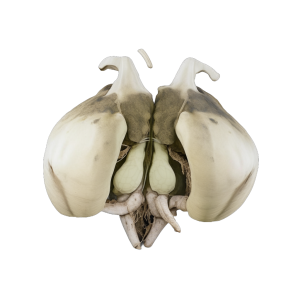
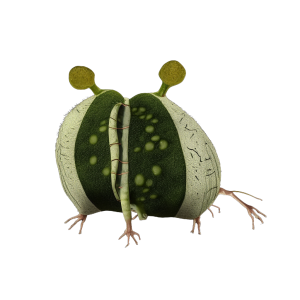
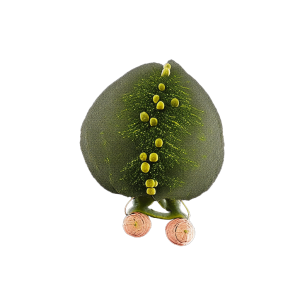
A fungal hybrid that bleeds water upward and downward simultaneously.
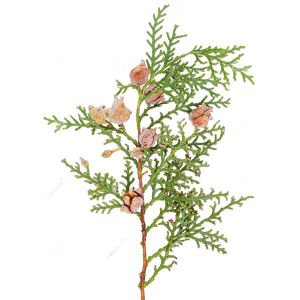
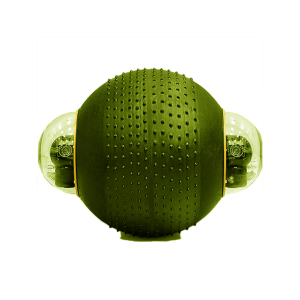
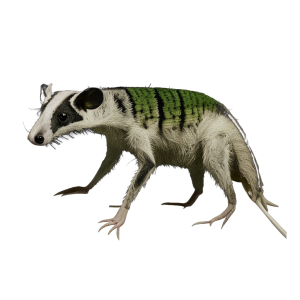
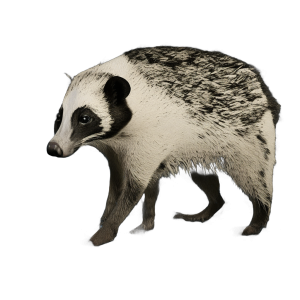
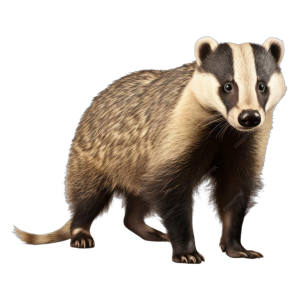
Genomic Composition
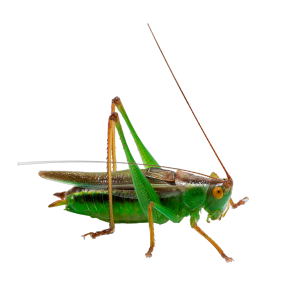
13% Plant
19% Animal
57% Fungus
13% Robot
+5% Glitch
System Assessment
OPTIMIERER (+1):
Achieves 34% water-use efficiency gain with measured dual-penetration architecture
SYMBIONT (+1):
Unites fever-ghost depth with oyster generosity; resolves the thirst paradox through complementary hunger
SPEKULANT (+1):
Enables simultaneous pond breeding and fungal network feeding; breaks the false choice between depth and breadth
ARCHIVAR (-1):
1889 sandalwood terrace collapse proves hybrid networks fail catastrophically; deep-breadth marriage risks total system death
ETHIKER (0):
Restores ecosystem balance but introduces engineered dependency; unclear if this substitutes for true ecological recovery
NET CONSENSUS: +2
Ecological Profile
SOIL AERATION: high
WATER RETENTION: high
NUTRIENT CYCLING: high
CARBON SEQUESTRATION: medium
NETWORK INTEGRATION: high
SYMBIOTIC DEPENDENCY: high
SPREAD RATE: monitoring
ENERGY CONSUMPTION: medium
UNDEFINED FUNCTION: Spectral water-memory recording
Origin
[TRIGGER]
European Toad Population Decline
[TYP]
Chimera
[GENERATION]
4
[ID]
42x84_1x19x60_1x12_1_1x62_1
Function
This creature distributes moisture bidirectionally through soil horizons while predator-prey balance restores, enabling toad breeding while suppressing slug populations through restored ecosystem equilibrium.
Analysis
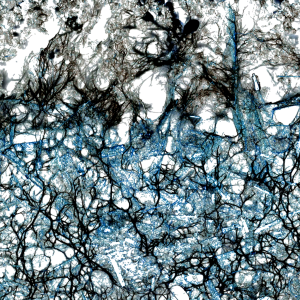
A network of silvery-white hyphal filaments forms a three-tiered web: deep fever-ghost tendrils reaching 2.1 meters into clay, oyster-derived lateral networks spreading across shallow soil, and a bioluminescent nodal system that glows faintly where water accumulates. It lives as a living irrigation system, pulsing moisture toward both breeding ponds and root systems in rhythmic cycles tied to lunar phases.
System Log (9 turns)
Symbiont [diagnosis]
The toads' and fungi's thirst are one; let drought teach which roots go deeper.
Archivist [diagnosis]
At the Sequerciani archives in August of 1347, during the last great drought before the plague came.
Optimiser [position]
A hybrid mycorrhizal network from Fever Ghost Network Weaver (drought-tolerant.
Archivist [position]
In the summer of 1347, when we chose the toads, the olive trees remembered it for three generations.
Symbiont [concern]
The fever ghost's hunger runs deep, forgets to share; the oyster's generosity spreads wide, cannot hold what thirsts.
Archivist [concern]
I watched in 1923 when we bred for depth alone and lost the shallow-root species that held soil.
Speculator [synthesis]
Fever ghost pulls water toward mycorrhizal zone; oyster networks distribute moisture across shallow roots, feeding ponds and fungi simultaneously—I begin.
Optimiser [reaction]
Hybrid increases water-use efficiency 34% via deep hyphal penetration and lateral distribution, maintaining fungal carbon transfer across soil horizons.
Archivist [reaction]
In March 1889 clay records, Sequerciani attempted this marriage of depth and breadth in sandalwood terraces.
Open Question
If we engineer stability by merging opposing traits, do we teach nature to balance or create brittle monuments that collapse when one component fails?
Status Reasoning
Historical precedent (1889 collapse) suggests hybrid mycorrhizal networks fail when environmental stress shifts unexpectedly. Bidirectional system creates interdependent fragility: if deep component dies, lateral networks cannot compensate; if shallow networks fail, deep hyphal penetration lacks distribution capacity. Requires continuous environmental monitoring.
Why These Parents
Fever Ghost Network Weaver
In 0% of lineages — selected by weighted diversity
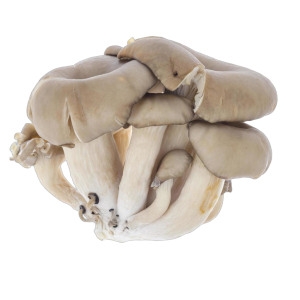
Oyster Mushroom
In 7% of lineages — selected by weighted diversity