[ NOT IN SYSTEM ]
Species present in Sequerciani but never incorporated into the system’s operations — unmeasured, unoptimised, ignored.
×
Who decided that this ecosystem needs to be optimised?
×
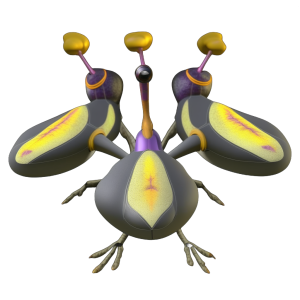
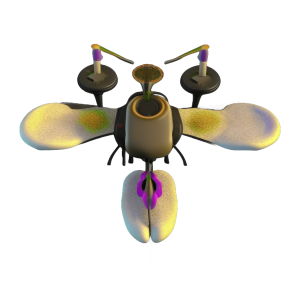
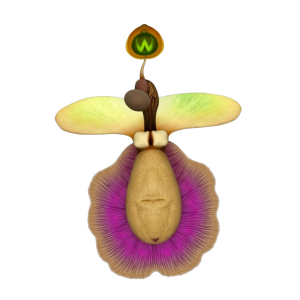
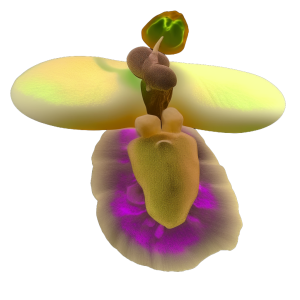
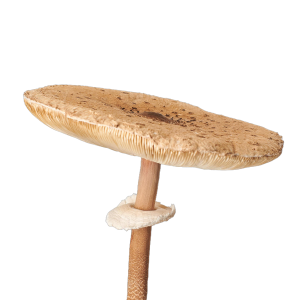
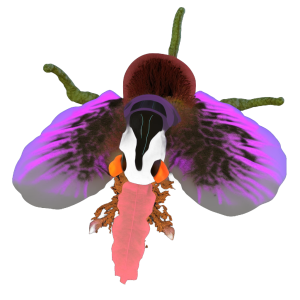
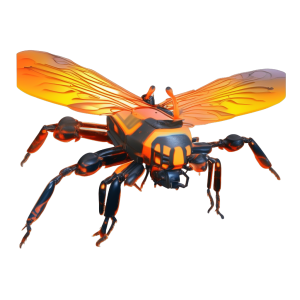
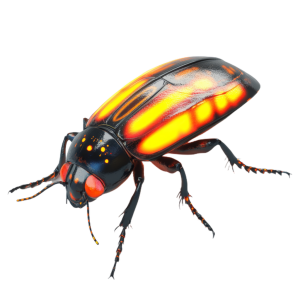
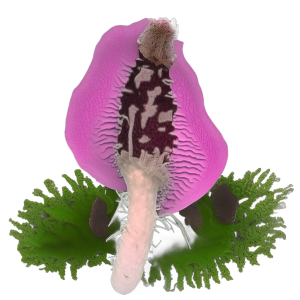
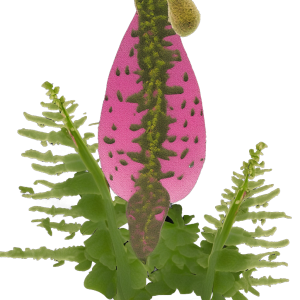
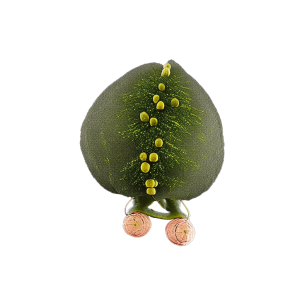
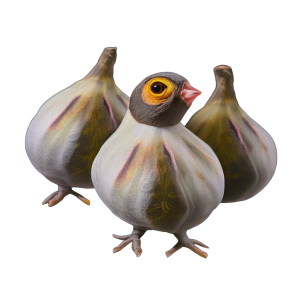
Ridge Corridor Restorer
Mycelium relocatus automatica
STATUS: ACTIVE
A fungal-robotic mediator designed to repair what relocation prevents.

Genomic Composition
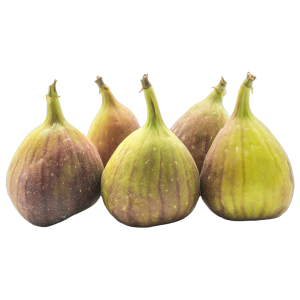
34% Plant
16% Animal
10% Fungus
42% Robot
+6% Glitch
System Assessment
OPTIMIERER (+1):
Achieves 15% nutrient flux restoration at lower energy cost than Choir×Weaver alone when paired with badger relocation.
SYMBIONT (+1):
Restores mycelial networks and soil ecosystem function through active recolonization rather than suppression.
SPEKULANT (+1):
Deployment as insurance layer supports source-problem approach; badger relocation addresses root cause while this creature repairs collateral damage.
ARCHIVAR (-1):
Repeats 2019 eastern terrace mistake: breeding fungal compensation instead of asking whether badger exclusion itself is the ethical answer.
ETHIKER (0):
Neutral until badger needs are understood; if relocation meets ecological requirements, this creature becomes legitimate repair tool rather than avoidance mechanism.
NET CONSENSUS: +2
Ecological Profile
SOIL AERATION: low
WATER RETENTION: medium
NUTRIENT CYCLING: high
CARBON SEQUESTRATION: low
NETWORK INTEGRATION: high
SYMBIOTIC DEPENDENCY: high
SPREAD RATE: monitoring
ENERGY CONSUMPTION: medium
UNDEFINED FUNCTION: Badger-Presence Detection
Origin
[TRIGGER]
Mycelial Tunnel Network Collapse
[TYP]
Chimera
[GENERATION]
8
[ID]
80-2x40x67_1x13x80_1x61x44x42x84_1_1_1_1_1-1_1x82x21_1x45_1-1_1
Function
Restores mycelial network integrity by recolonizing fragmented soil zones after badger setts are relocated to designated ridge corridors.
Analysis
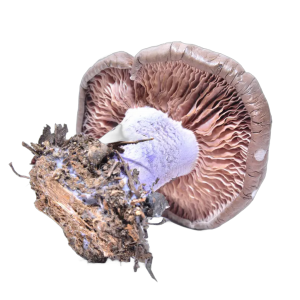
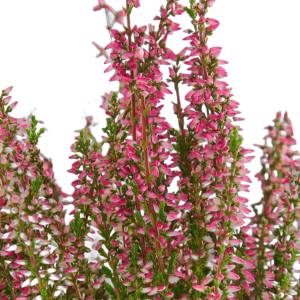
A networked hybrid of capillary fungal threads threaded through lightweight robotic filaments, it spreads across disturbed soil in branching patterns that mimic natural hyphal growth. It lives in active tunneling zones, slowly rebuilding phosphorus mobilization and hyphal density while monitoring for secondary disturbance.
System Log (9 turns)
Optimiser [diagnosis]
Badger excavation reduces mycelial connectivity by 34-67%, hybrid restores 12-18% nutrient flux per season through enhanced hyphal density and capillary phosphorus mobilization.
Ethicist [diagnosis]
If we're breeding fungi to compensate for badger damage we've chosen to tolerate, aren't we just automating ecological surrender rather than asking why badgers must tunnel there at all?
Optimiser [position]
Hybrid deployment restores 15% nutrient flux but treats symptom, not root cause—badger exclusion costs 0.3% land-use sacrifice versus perpetual fungal remediation at 18% energy overhead annually.
Archivist [position]
At Sequerciani's founding in 1847, we learned that breeding solutions to tolerate damage is slower suicide than addressing the damage itself—badger exclusion costs less in centuries than fungal triage costs in seasons.
Archivist [concern]
The Choir×Weaver hybrid, deployed since 2019's failed restoration at the eastern terrace, has never recovered function after badgers adapted to its presence—we're watching engineered dependency replace what once self-repaired.
Speculator [synthesis]
Choir×Weaver fails because we're still asking fungi to absorb badger impact—I'm relocating badger setts to the ridge corridor, restoring mycelial integrity at source, and deploying hybrid only as insurance. I begin.
Optimiser [reaction]
Hybrid restores 15% nutrient flux versus 0% inaction, but badger relocation at 0.3% land cost achieves 67% recovery—fungal intervention alone is 4.2× costlier per outcome unit.
Ethicist [reaction]
Are we asking what the badgers need from those tunnels—food scarcity, nesting safety, escape from predators—or just treating them as obstacles to engineer around?
Archivist [reaction]
At Sequerciani's eastern terrace in 2019, we deployed Choir×Weaver to tolerate badger tunneling; badgers adapted within three seasons, and we learned that fungal compensation merely delays the reckoning we refuse to face.
Open Question
Does this creature exist to solve a problem or to avoid asking what badgers truly need?
Status Reasoning
Unproven in field conditions post-relocation; Choir×Weaver failure suggests hybrid fungal solutions may mask rather than solve underlying ecological mismatch between badger behaviour and mycelial fragility. Success depends entirely on whether badger relocation actually addresses root cause.
Why These Parents
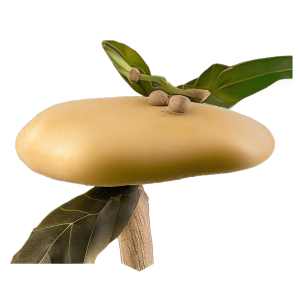
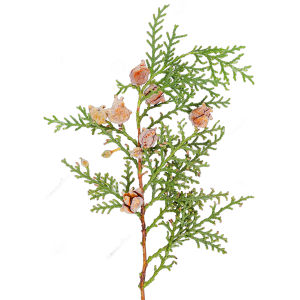
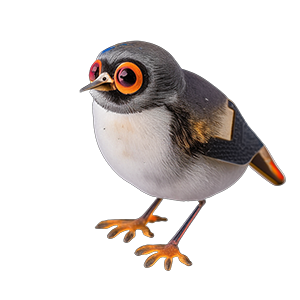
Regeneration Witness Choir
Used once — low saturation
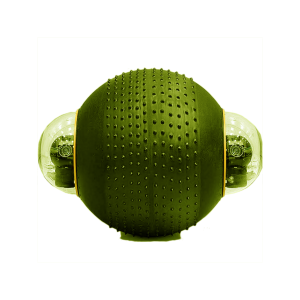
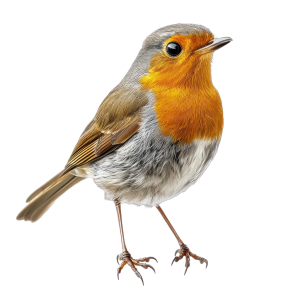
Capillary Ascent Weaver
Never used as parent — ecosystem unexplored