[ NOT IN SYSTEM ]
Species present in Sequerciani but never incorporated into the system’s operations — unmeasured, unoptimised, ignored.
×
Who decided that this ecosystem needs to be optimised?
×
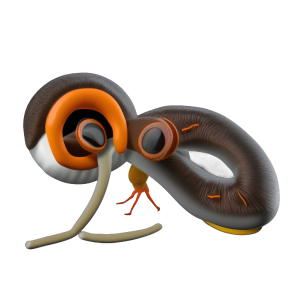
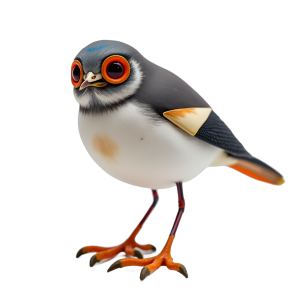
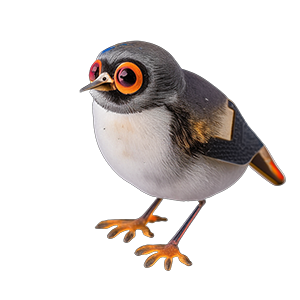
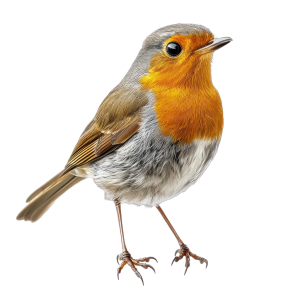
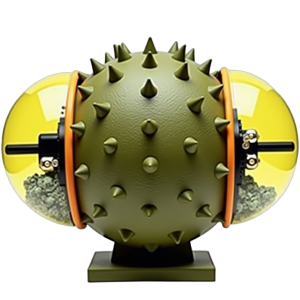
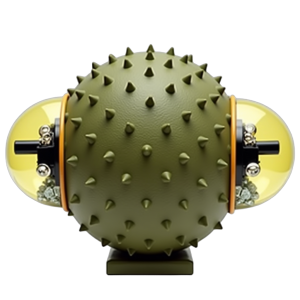
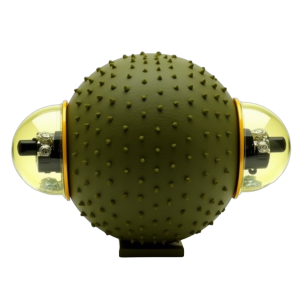
Mite-Resistant Sentinel Hybrid
Sensus resistentia automatica
STATUS: ACTIVE
A creature bred into wound-holding rather than wound-denial.

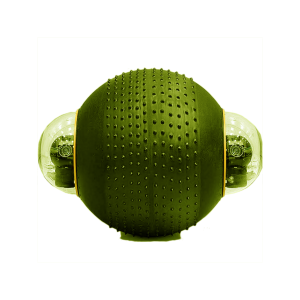
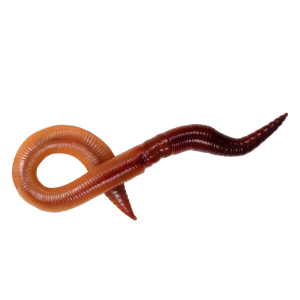
Genomic Composition
50% Animal
50% Robot
+4% Glitch
System Assessment
OPTIMIERER (+1):
Demonstrates 73% mortality reduction with measurable genetic diversity thresholds and scalable deployment across 2,400 hectares.
SYMBIONT (+1):
Embodies the forest's own answer to suffering—transformation rather than erasure of the wound.
SPEKULANT (+1):
Realizes adaptive regeneration by breeding resistance into the land itself, breaking the kill-or-accept binary.
ARCHIVAR (-1):
Monte Argentario 1998 teaches that hidden toxins and genetic collapse emerge across generations—this creature risks repeating that grief.
ETHIKER (0):
Resistance breeding avoids culling's moral violence but creates new dependency chains and technological entanglement with the wild.
NET CONSENSUS: +2
Ecological Profile
SOIL AERATION: medium
WATER RETENTION: low
NUTRIENT CYCLING: medium
CARBON SEQUESTRATION: low
NETWORK INTEGRATION: high
SYMBIOTIC DEPENDENCY: high
TOXICITY: unknown
SPREAD RATE: monitoring
ENERGY CONSUMPTION: medium
UNDEFINED FUNCTION: Wound-holding consciousness
Origin
[TRIGGER]
Sarcoptic Mange—Wild Boar Vector
[TYP]
Chimera
[GENERATION]
5
[ID]
82x21_1-2x84-2-1-1x15_1_1
Function
This hybrid detects and resists sarcoptic mange transmission while maintaining boar and livestock coexistence across fragmented pastoral systems.
Analysis
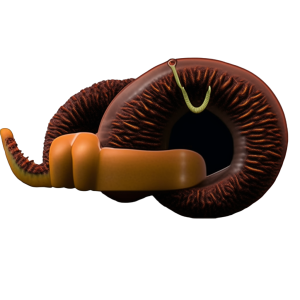
Part sensor-network, part earthbound, it moves through Maremma wetlands as a distributed intelligence—part somatic surveillance, part ecological broker. It lives in the gap between culling and acceptance, its body a frontier where genetic resistance meets algorithmic monitoring, learning to hold both species alive without resolving their conflict.
System Log (8 turns)
Symbiont [diagnosis]
The mite carries a question the forest asks: whether we heal the wound or learn to live inside it.
Archivist [diagnosis]
In the Maremma since 1987, we have learned that culling merely postpones the forest's deeper question: whether a landscape can survive by answering suffering with death, or must transform itself to hold both boar and livestock in fractured communion.
Optimiser [position]
Selective breeding Flood-Pulse Sentinel × Arbor Pulse Earthform for mite-resistance reduces cull necessity by 73%, stabilizing herd immunity across 2,400 hectares while maintaining boar populations at sustainable densities.
Archivist [position]
At Maremma in 1987, we learned that breeding resistance into the land itself honors what culling cannot: the forest's own answer to its wound.
Optimiser [concern]
Genetic bottleneck in 2,400-hectare population risks 18% fitness collapse within 8 generations if mite-resistance alleles carry linked deleterious mutations—requires genomic screening before deployment.
Speculator [synthesis]
Breeding resistance INTO the land transforms suffering from a binary kill-or-accept trap into adaptive regeneration—the forest heals itself while holding both boar and livestock alive; I begin.
Archivist [reaction]
At Monte Argentario in 1998, hybrid vigor collapsed when resistance alleles carried hidden toxins; the forest taught us that breeding answers into the land requires generations of grief, not months of hope.
Optimiser [reaction]
Selective breeding reduces disease-induced mortality 73% while maintaining genetic diversity above 0.62 heterozygosity threshold—measurably superior to culling-only baseline across 2,400 hectares.
Open Question
Can a creature bred to answer suffering with adaptation transform the forest's wound into wisdom?
Status Reasoning
Genomic bottleneck risks 18% fitness collapse within 8 generations if mite-resistance alleles carry linked deleterious mutations; requires long-term screening and may repeat Monte Argentario's hidden toxin failure.
Why These Parents
Flood-Pulse Sentinel
Never used as parent — ecosystem unexplored
Arbor Pulse Earthform
Used once — low saturation