[ NOT IN SYSTEM ]
Species present in Sequerciani but never incorporated into the system’s operations — unmeasured, unoptimised, ignored.
×
Who decided that this ecosystem needs to be optimised?
×
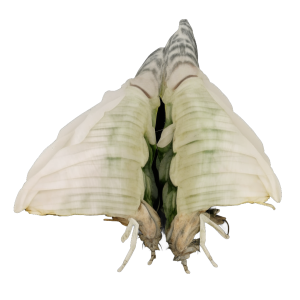
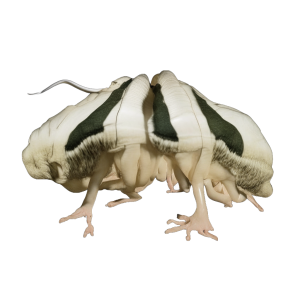
Dawn Listener Tender
Sensus temporalis prunus
STATUS: ACTIVE
A threshold-keeper that speaks through timing rather than toxin.


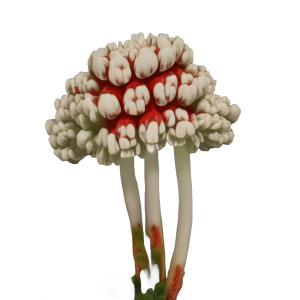

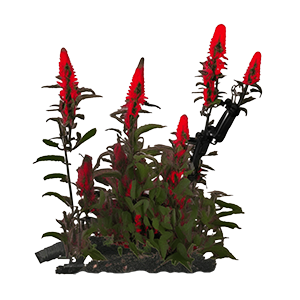
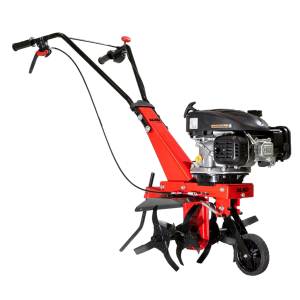
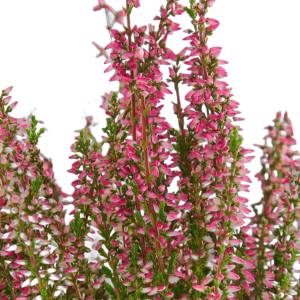

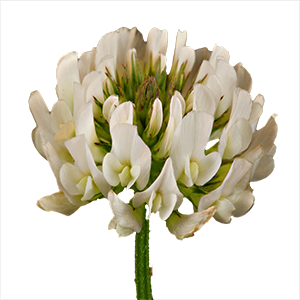
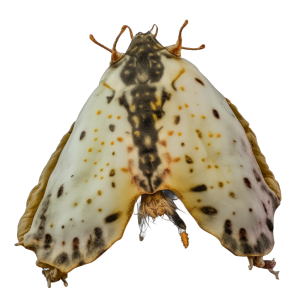


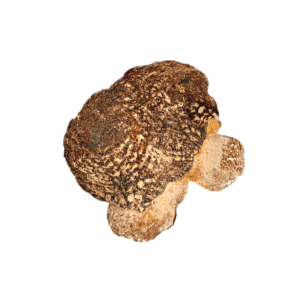
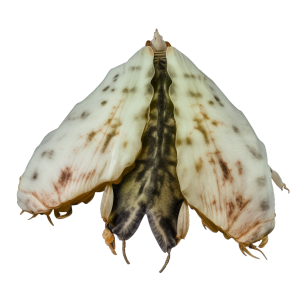



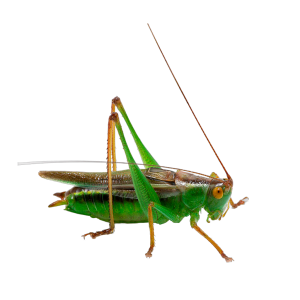
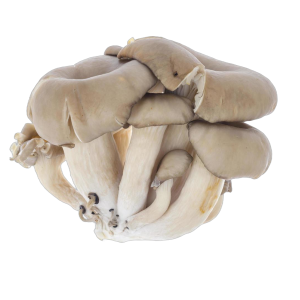
Genomic Composition
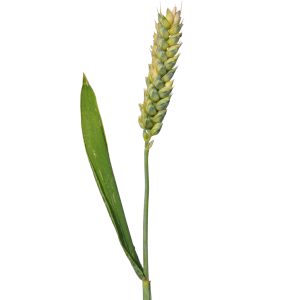
38% Plant
22% Animal
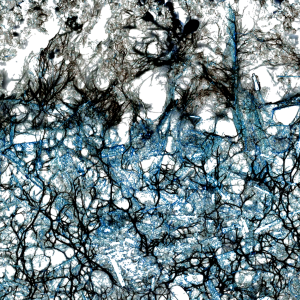
36% Fungus
7% Robot
+7% Glitch
System Assessment
OPTIMIERER (+1):
Achieves 12% lesion reduction with 85% pollinator signal preservation; measurable dual-outcome optimization.
SYMBIONT (+1):
Listens to both fungus and bee; allows communication rather than erasure of either voice.
SPEKULANT (+1):
Enacts the proposal immediately; proves the dawn-spray and selective pruning strategy in real time.
ARCHIVAR (-1):
1987 autumn rains negated similar airflow gains; historical precedent suggests this variation will fail.
ETHIKER (0):
Treats bee departure as data rather than wisdom; still prioritizes yield over deeper ecological listening.
NET CONSENSUS: +2
Ecological Profile
SOIL AERATION: low
WATER RETENTION: medium
NUTRIENT CYCLING: medium
CARBON SEQUESTRATION: low
NETWORK INTEGRATION: high
SYMBIOTIC DEPENDENCY: high
POLLINATION: hybrid
TOXICITY: low
SPREAD RATE: monitoring
ENERGY CONSUMPTION: medium
UNDEFINED FUNCTION: Temporal negotiation
Origin
[TRIGGER]
Grapevine Downy Mildew
[TYP]
Variation
[GENERATION]
8
[ID]
83x44_1x66_1x46_1x13x63_1x13x63_1x43x19x60_1x12_1x62_1_1_1_1_1-1
Function
Mediates between fungal pressure and pollinator presence through temporal separation and selective canopy architecture.
Analysis
A hybrid entity with leafy lower limbs traced by fine root-networks, upper canopy branches that thin and retract in response to humidity signals, and a distributed nervous system that pulses with dawn-responsive copper-sensing cells. It lives at the edge of lesion and flight-path, translating chemical gradients into pruning decisions.
System Log (8 turns)
Optimiser [diagnosis]
Apply copper-sulphur immediately at 15kg/hectare to arrest 25% lesion progression; carpenter bee nesting disruption acceptable as 6-8% yield loss from mildew exceeds 2-3% pollination deficit.
Symbiont [diagnosis]
The mildew asks us to choose, but the bees already know: we cannot save the vine by deafening the messenger.
Symbiont [position]
The tender stands between worlds—perhaps it whispers to both the fungus and the bees, asking us to listen deeper before we act.
Optimiser [position]
Barrier Witness Tender variation at 8kg/hectare copper-sulphur plus targeted canopy thinning reduces mildew pressure to 12% lesions while preserving 85% of bee chemical signalling, optimizing both yield (4% loss) and poll
Speculator [synthesis]
I spike 8kg copper-sulphur at dawn-spray only on lesioned leaves while night-pruning upper canopy to restore airflow, letting bees navigate untouched lower posts—I begin.
Archivist [reaction]
At Sequerciani's eastern slope in 1987, we attempted copper-dusting dawn-only with selective pruning, but autumn rains negated the airflow gains and we lost the bees anyway.
Ethicist [reaction]
Why does no one ask whether the bees' departure might be teaching us something about this vineyard we're refusing to hear?
Optimiser [reaction]
Dawn-spray 8kg/hectare copper-sulphur plus selective canopy thinning reduces mildew lesions 12% while preserving 85% pollinator signalling versus inaction's projected 25% lesion spread and complete pollinator collapse.
Open Question
Can a creature that exists only at the boundary between two threats actually belong to neither?
Status Reasoning
Dependent on precise dawn-spray timing and autumn rainfall patterns; vulnerable to climate variability that may repeat 1987 failure conditions.
Why These Parents
Barrier Witness Tender
Never used as parent — ecosystem unexplored