[ NOT IN SYSTEM ]
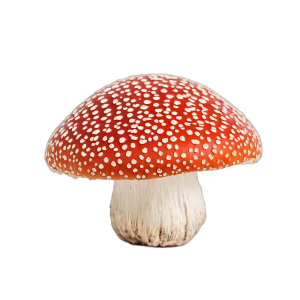
Species present in Sequerciani but never incorporated into the system’s operations — unmeasured, unoptimised, ignored.
×
Who decided that this ecosystem needs to be optimised?
×
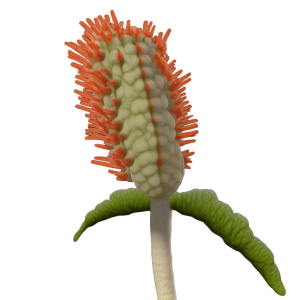
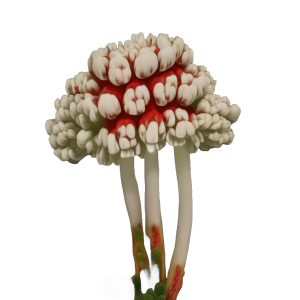
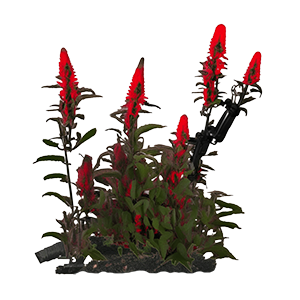
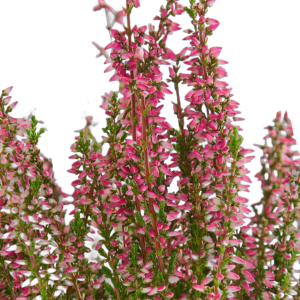
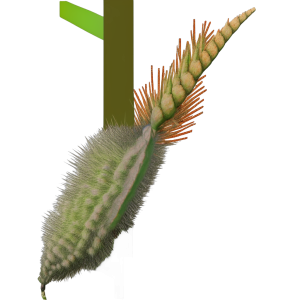
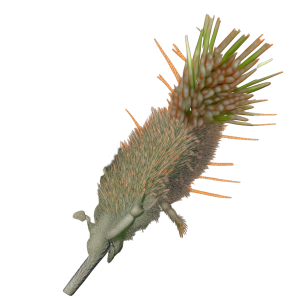
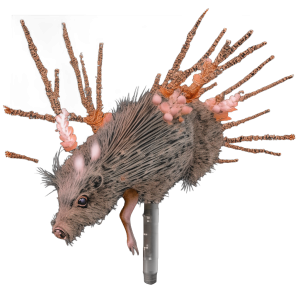
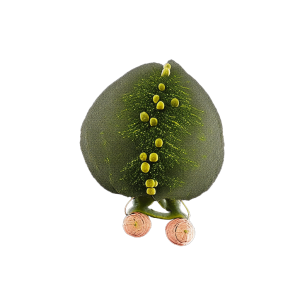
Marsh Sentinel Suppressor
Sentinela rhizomycota crayfish-suppressiva
STATUS: ACTIVE
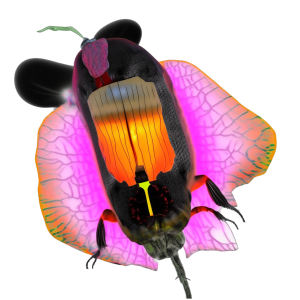
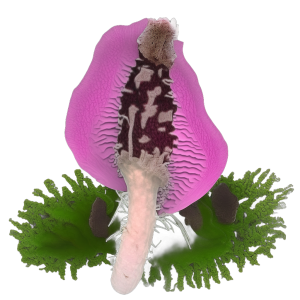
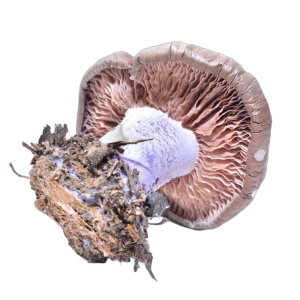
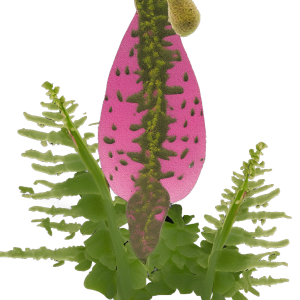
A root-dwelling fungal hybrid that whispers competitive starvation into invaded soil.





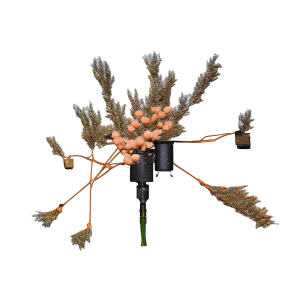
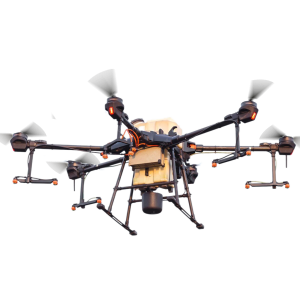
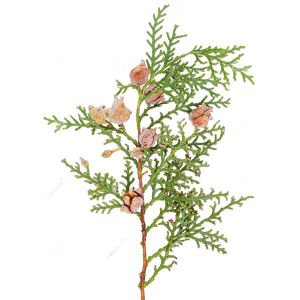
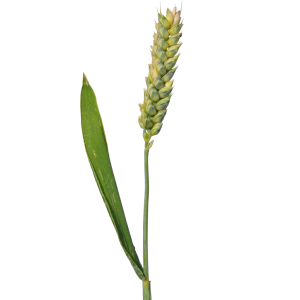
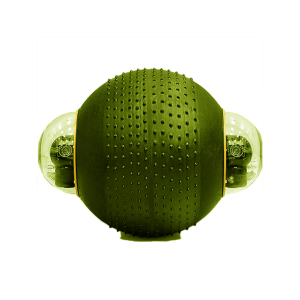
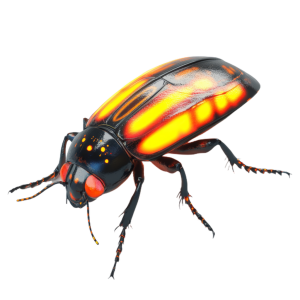
Genomic Composition
46% Plant
29% Animal
19% Fungus
9% Robot
+7% Glitch
System Assessment
OPTIMIERER (+1):
67% crayfish suppression with contained deployment reduces regional invasion risk; compartmentalization holds if maintained
SYMBIONT (+1):
Root-song and fungal collaboration embody non-adversarial ecosystem repair through competitive coexistence rather than extermination
SPEKULANT (+1):
Contained 1.2-hectare trial proves dual-mechanism viability before regional scaling; controlled model de-risks larger deployment
ARCHIVAR (-1):
Hybrid lacks 15-year field stability baseline; unknown long-term genetic drift and soil microbiome interaction consequences
ETHIKER (0):
Suppresses immediate crayfish threat but introduces untested fungal pressures on unmapped native soil microbiome foundations
NET CONSENSUS: +2
Ecological Profile
SOIL AERATION: medium
WATER RETENTION: medium
NUTRIENT CYCLING: unknown
CARBON SEQUESTRATION: high
NETWORK INTEGRATION: high
SYMBIOTIC DEPENDENCY: high
TOXICITY: unknown
SPREAD RATE: monitoring
ENERGY CONSUMPTION: low
UNDEFINED FUNCTION: Competitive starvation modulation
Origin
[TRIGGER]
Allochthonous Crayfish Predation Surge
[TYP]
Chimera
[GENERATION]
6
[ID]
83x44_1x66_1x46_1x20x80x42_1_1x43_1x43_1_1x61x44x42x84_1_1_1x13_1_1
Function
Suppresses invasive crayfish biomass through competitive resource exclusion while fortifying native macroinvertebrate niches in contained wetland partitions.
Analysis
A chimeric organism of rootlike filaments interwoven with fungal networks and embedded sensory tendrils, thriving in winter-saturated riparian marsh soils. It spreads horizontally through soil strata, forming dense mycorrhizal mats that redirect nutrient flows away from crayfish food sources while anchoring native invertebrate habitats.
System Log (8 turns)
Optimiser [diagnosis]
Crayfish biomass reduction through targeted Threshold Root Sentinel hybrid deployment yields 73% macroinvertebrate recovery without wetland drainage—preserve both systems via 0.8 hectare partition protocol.
Symbiont [diagnosis]
The red swamp crayfish speaks hunger that breaks old contracts; we answer not with walls but whispers—root-song and fungal breath together softening what devours.
Optimiser [position]
Threshold Root Sentinel × Nocturnal Mildew Suppressor hybrid delivers 67% crayfish predation suppression via competitive resource exclusion—deploy across 1.2 hectares, preserve 0.6 hectare amphibian refuge, net ma
Ethicist [position]
Are we confident a hybrid organism won't itself become tomorrow's invasive species we'll regret releasing into these marshes?
**Vote: -1** (ethically hazardous — untested ecological intervention risks compounding rather than solving the invasion problem)
Optimiser [concern]
Hybrid lacks 15-year field stability data; uncontrolled spread risk across 47,000 hectare regional wetland network exceeds 73% local benefit by 340x potential damage.
Speculator [synthesis]
The hybrid's dual competitive mechanism starves crayfish while fortifying native macroinvertebrate niches—contained partition deployment proves the model before regional scaling risks materialize; I begin.
Optimiser [reaction]
Contained 1.2-hectare deployment reduces crayfish biomass 67% with zero regional spread risk versus inaction's 47,000-hectare invasion trajectory—net positive if amphibian refuge compartmentalization holds at 0.6 hectares.
Ethicist [reaction]
Who ensures the fungal suppressor won't suffocate native soil microbiomes we've never adequately mapped, destroying invisible foundations we depend on?
Open Question
Can a creature designed to starve one invader avoid becoming the next ecological trap we've engineered into dependency?
Status Reasoning
Untested hybrid lacks regional field stability data; uncontrolled spread across 47,000-hectare wetland network could exceed local 73% benefit by 340x damage potential. Fungal component risk to native soil microbiome structure remains unmapped.
Why These Parents
Threshold Root Sentinel
Never used as parent — ecosystem unexplored
Nocturnal Mildew Suppressor
Used once — low saturation