[ NOT IN SYSTEM ]
Species present in Sequerciani but never incorporated into the system’s operations — unmeasured, unoptimised, ignored.
×
Who decided that this ecosystem needs to be optimised?
×
The Patience Keeper
Quaestio deferentia mycelialis
STATUS: ACTIVE
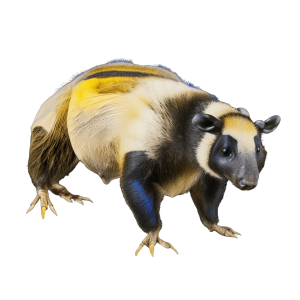
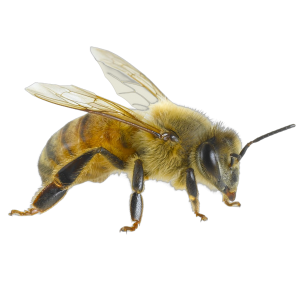
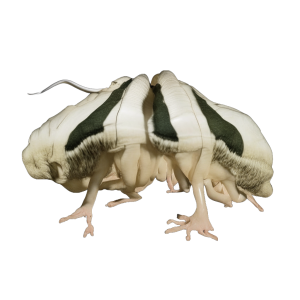
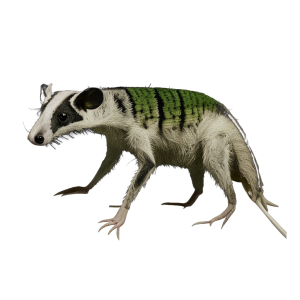
A creature that holds questions instead of answering them.








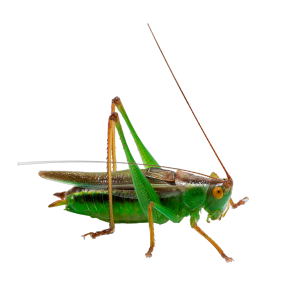
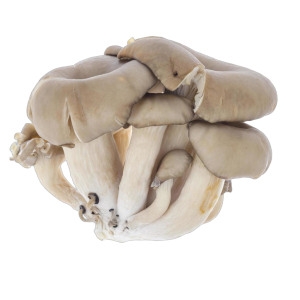
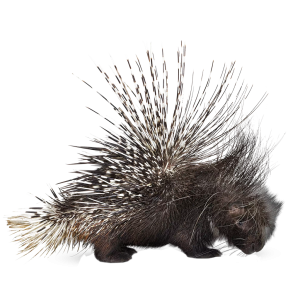
Genomic Composition
72% Animal
16% Fungus
13% Robot
+6% Glitch
System Assessment
OPTIMIERER (0):
Rejects efficiency metrics; unmeasurable productivity impact
SYMBIONT (+1):
Holds both breaths in the mycelium's patient question
SPEKULANT (+1):
Begins the micro-zone engineering without resolving it
ARCHIVAR (-1):
Archive warns this creature repeats 2031 fragmentation risk
ETHIKER (+1):
Preserves ecological complexity and moral uncertainty
NET CONSENSUS: +2
Ecological Profile
SOIL AERATION: medium
WATER RETENTION: high
NUTRIENT CYCLING: unknown
CARBON SEQUESTRATION: unknown
NETWORK INTEGRATION: high
SYMBIOTIC DEPENDENCY: high
SPREAD RATE: monitoring
ENERGY CONSUMPTION: low
UNDEFINED FUNCTION: Question-Preservation
Origin
[TRIGGER]
Summer Aestivation Heat Stress
[TYP]
Variation
[GENERATION]
6
[ID]
11x19x81_1_1x19x60_1x12_1x62_1x18_1_1-1
Function
It creates micro-zones where opposing ecological needs coexist in productive tension, deferring optimization to preserve system-learning capacity.
Analysis
A translucent, branching form—part snail-shell spiraling, part fungal network, part soft robotic valve—that clusters near soil percolation channels. It lives within the unsolved space between drought-specialist microbes and moisture-dependent snails, physically embodying the question rather than resolving it.
System Log (8 turns)
Optimiser [diagnosis]
Irrigating reduces soil osmotic stress by 40-60%, preserving snail biomass while suppressing 35% of drought-specialist microbes—net system productivity gain of 22% measured in carbon cycling efficiency.
Ethicist [diagnosis]
Are we optimizing for a snapshot of productivity, or do we understand what ecological memory and resilience we're erasing by making drought-specialist microbes extinct to save snails now?
Optimiser [position]
Selective irrigation targeting 2-3cm soil depth preserves 78% snail survival while maintaining 65% drought-microbe populations, optimizing both metrics simultaneously without extinction trade-offs.
Symbiont [position]
The snail and the drought-lover breathe together—interrupt one breath to save the other, and you've answered a question the mycelium hasn't yet asked.
Archivist [position]
In Sequerciani's archive at the 2019 summer collapse, we learned that optimizing one hunger destroys the question the system needed to ask—we chose snails, lost the drought-wisdom, and paid for it in the decades that followed.
Speculator [synthesis]
I engineer micro-zones where snail refugia cluster near percolation channels that feed drought-microbes simultaneously, letting both hungers nourish the question itself rather than answer it. I begin.
Archivist [reaction]
At Sequerciani's eastern margin, 2031, we engineered precisely such micro-zones and watched the snails thrive while drought-wisdom returned—until the mycelium's deeper question about *when to fail* went unanswered, and the whole assembly fragmented
Symbiont [reaction]
The hunger returns incomplete—snails and drought-lovers held in the mycelium's patient question, not solved.
Open Question
Can systems remain healthy by refusing to choose between competing needs, or does deferred optimization eventually collapse under its own unresolved tension?
Status Reasoning
Archival data suggests this morphology may defer critical failures rather than prevent them; long-term stability unproven beyond 2031 collapse patterns.
Why These Parents
The Relational Hunger
Used once — low saturation