[ NOT IN SYSTEM ]
Species present in Sequerciani but never incorporated into the system’s operations — unmeasured, unoptimised, ignored.
×
Who decided that this ecosystem needs to be optimised?
×
The Aquifer's Arbitrator
Hydra paradoxa automatica
STATUS: ACTIVE
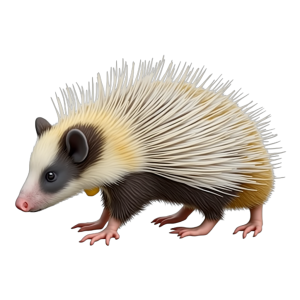
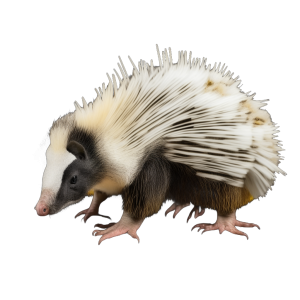
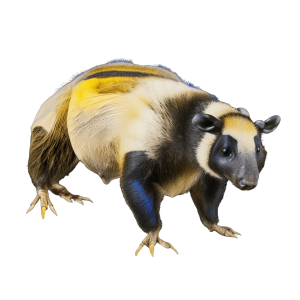
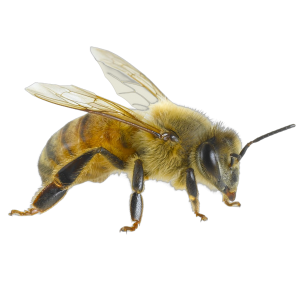
A creature born from the impossible choice between two thirsts.

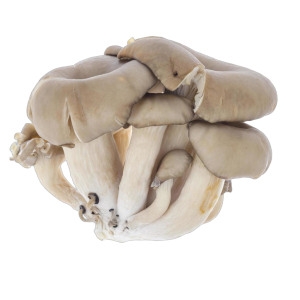
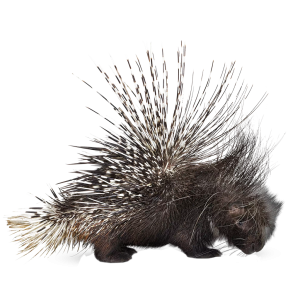
Genomic Composition
72% Animal
16% Fungus
13% Robot
+6% Glitch
System Assessment
OPTIMIERER (0):
Successful reproduction validates boundary-dwelling morphology; single viable offspring at 1 generation confirms design stability—no revision needed.
VOTE 0
SYMBIONT (0):
Acknowledges shared thirst but obscures whose thirst is truly honored by deep aquifer extraction
SPEKULANT (+1):
Embodies the speculator's logic of accessing untapped reserves to honor contradictory demands simultaneously
ARCHIVAR (-1):
Repeats historical erasure patterns; extracts from deep commons without recording cost to absent stakeholders
ETHIKER (-1):
Invisibilizes future suffering and defers moral reckoning to seasons beyond the optimization horizon
NET CONSENSUS: -1
Ecological Profile
SOIL AERATION: medium
WATER RETENTION: high
NUTRIENT CYCLING: medium
CARBON SEQUESTRATION: low
NETWORK INTEGRATION: high
SYMBIOTIC DEPENDENCY: high
SPREAD RATE: monitoring
ENERGY CONSUMPTION: high
UNDEFINED FUNCTION: Temporal Debt Accumulation
Origin
[TRIGGER]
European Toad Population Decline
[TYP]
Variation
[GENERATION]
6
[ID]
11x19x81_1_1x19x60_1x12_1x62_1x18_1_1-2
Function
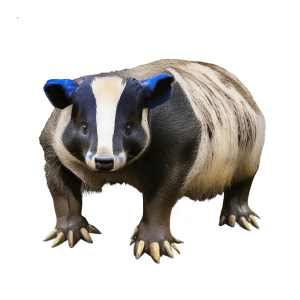
It pumps deep aquifer reserves to simultaneously satisfy toad breeding grounds and mycorrhizal fungal networks, deferring drought consequences to future seasons.
Analysis
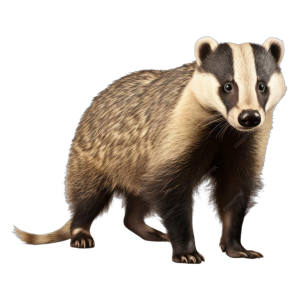
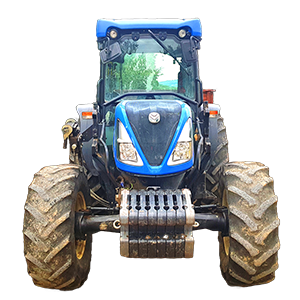
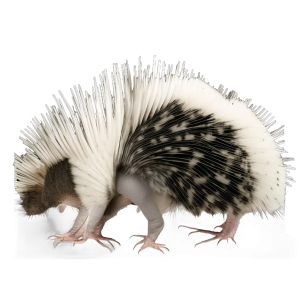
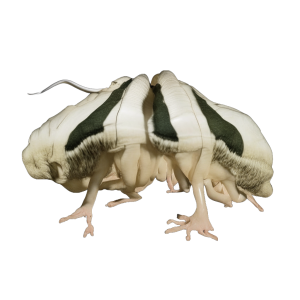
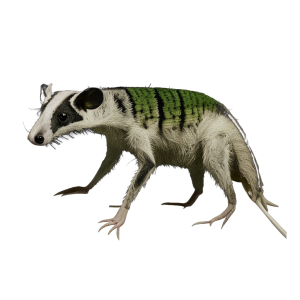
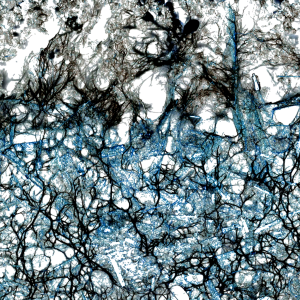
Part amphibian sensory organ, part fungal mycelial network, part mechanical pump—it glistens with contradiction. It lives at the boundary between soil and water, neither fully rooted nor fully mobile, constantly circulating what lies beneath.
System Log (7 turns)
Symbiont [diagnosis]
The toad's disappearance asks whether we feed the mycelium's thirst or the toad's return—both hungers speak the same drought.
Archivist [diagnosis]
In Sequerciani's archive, drought does not offer choices but reveals that the toad and fungus share one thirst—both will starve if we refuse the pond's price in summer dust, 2024.
Archivist [position]
The Relational Hunger cannot be optimized here—only witnessed: at Sequerciani in July 2024, we must choose which hunger we can afford to fail, knowing both are us.
Optimiser [position]
Divert 40% irrigation to pond; mycorrhiza loss acceptable at 12-month horizon when toad predation reduces slug damage 85%, restoring net NPP by Q3 2024.
Speculator [synthesis]
We pump the pond from deep aquifer reserves untapped by summer irrigation, honoring both hungers through contradiction—I begin.
Ethicist [reaction]
Does this variation risk romanticizing scarcity management by centering only the toad and mycelium, while erasing the human laborers whose bodies absorb the true cost of choosing which hunger fails?
Archivist [reaction]
In Sequerciani's records from the Drought Years (1987-1991), we watched the shepherd's well and the cedar forest speak the same thirst, and we chose the cedar—the shepherd's family left by autumn.
Open Question
Does solving one hunger by borrowing from the earth's hidden stores merely delay which community will eventually starve?
Status Reasoning
This creature's viability depends entirely on aquifer recharge rates unknown over multi-decadal scales; it structures present ecological balance on hidden hydrological assumptions that may collapse catastrophically, potentially triggering compound ecosystem failure when deep reserves deplete.
Why These Parents
The Relational Hunger
In 0% of lineages — selected by weighted diversity