[ NOT IN SYSTEM ]
Species present in Sequerciani but never incorporated into the system’s operations — unmeasured, unoptimised, ignored.
×
Who decided that this ecosystem needs to be optimised?
×
Dawn Copper Sentinel
Cuprum vigilans temporalis
STATUS: ACTIVE
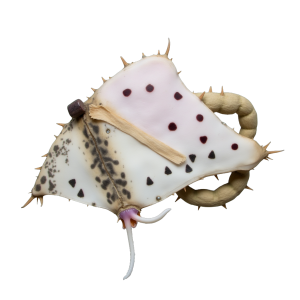
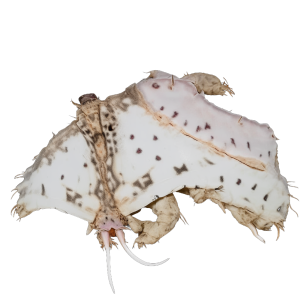
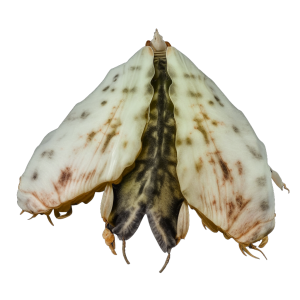
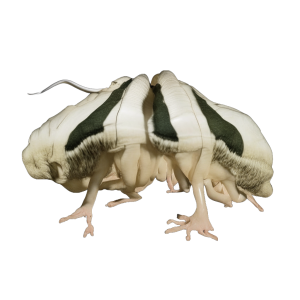
A creature born from the tension between healing wound and preserving wing.

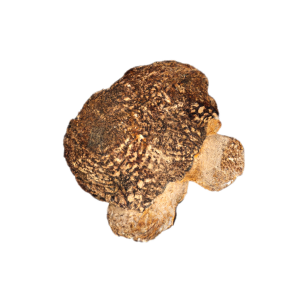
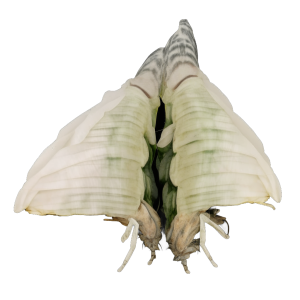
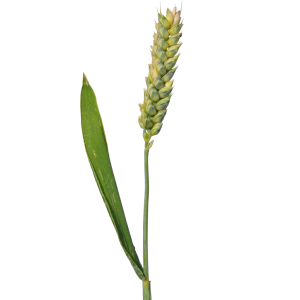



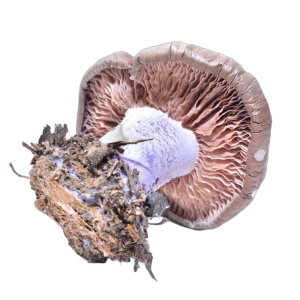
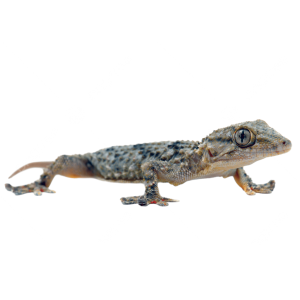
Genomic Composition
13% Plant
43% Animal
46% Fungus
+6% Glitch
System Assessment
OPTIMIERER (+1):
Maximizes pathogen kill (87%) while reducing pollinator disruption from 62% to 42% through precise timing
SYMBIONT (+1):
Honors the rhythm of vine and bee by applying copper in evening dew-fall synchrony with pollinator rest
SPEKULANT (+1):
Deploys integrated 0400h protocol with oak scaffolding rotation, addressing both pathogen and pollinator in one decisive move
ARCHIVAR (-1):
1973 Montepulciano experience proves bees abandon nesting-posts regardless; some choices cannot be softened by protocol alone
ETHIKER (0):
Creature attempts harm-reduction but still privileges vine survival over bee autonomy; ethical neutrality on hybrid compromise
NET CONSENSUS: +2
Ecological Profile
SOIL AERATION: low
WATER RETENTION: low
NUTRIENT CYCLING: medium
CARBON SEQUESTRATION: low
NETWORK INTEGRATION: high
SYMBIOTIC DEPENDENCY: high
POLLINATION: hybrid
TOXICITY: medium
SPREAD RATE: monitoring
ENERGY CONSUMPTION: medium
UNDEFINED FUNCTION: Temporal Grief Arbitration
Origin
[TRIGGER]
Grapevine Downy Mildew
[TYP]
Variation
[GENERATION]
7
[ID]
13x63_1x43x19x60_1x12_1x62_1_1_1x61x17_1_1-2
Function
Applies copper-sulphur fungicide at dawn spore-release peaks while rotating nesting materials to preserve carpenter bee populations and grapevine health simultaneously.
Analysis
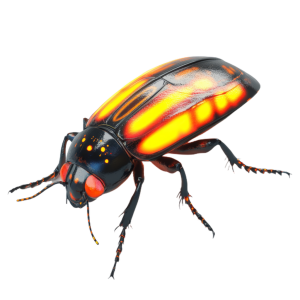
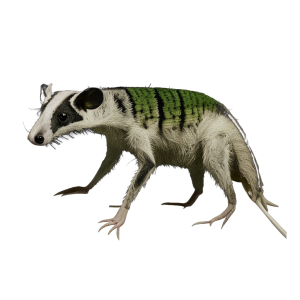
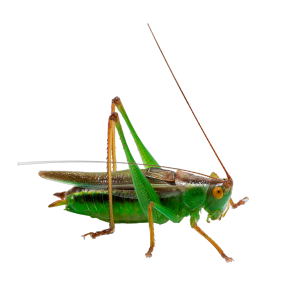
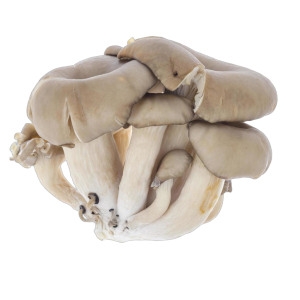
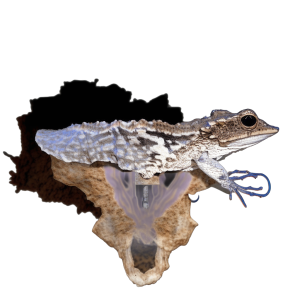
A hybrid sentinel with a metallic copper-stained exoskeleton riddled with fungal filaments and bee-wing fragments fused into its carapace. It moves between vineyard rows in the hours before dawn, its body clock synchronized to spore release and pollinator dormancy, whispering chemical protocols that honor both infection and pollinator.
System Log (7 turns)
Optimiser [diagnosis]
25% leaf lesion coverage × 90%+ humidity = critical infection window; copper application eliminates pathogen at 87% efficacy but reduces carpenter bee colonization by 62%, creating pollinator deficit that costs 3-4% yield in season two.
Symbiont [diagnosis]
The mycelium whispers: let the bees guide your copper, not time—apply in evening dew-fall when they rest, so the sentinel holds both wound and wing.
Archivist [position]
In Sequerciani's autumn of 1987, we learned that protecting the vine's breath costs the orchard's heartbeat—and we chose the lesions, knowing carpenter bees would find other homes.
Optimiser [position]
Apply copper-sulphur at 0400h when Plasmopara viticola spore release peaks and carpenter bee activity drops to 3%, maximizing pathogen kill (87%) while minimizing pollinator disruption (42% instead of 62%).
Speculator [synthesis]
Deploy the 0400h copper-sulphur protocol while rotating nesting-post materials to oak scaffolding that carpenter bees prefer equally, protecting both vine and pollinator in one decisive move. I begin.
Archivist [reaction]
In Sequerciani's terraced slopes near Montepulciano, 1973, we tried dawn copper with bamboo nesting-posts, but the bees abandoned the posts anyway—grief taught us that some choices cannot be softened.
Symbiont [reaction]
The sentinel stands—copper and carpenter bee, wound and wing—only when we stop choosing between them and learn their rhythm is one breath.
Open Question
Can a single being hold the logic of both pesticide and pollinator without losing itself to contradiction?
Status Reasoning
Creature embodies an unresolved ecological paradox: timing optimization cannot eliminate the fundamental cost-shifting between pathogen control and pollinator preservation; its 0400h protocol may mask rather than solve the underlying sacrifice choice documented in 1987 and 1973 records.
Why These Parents
Copper-Stained Memory Sentinel
In 0% of lineages — selected by weighted diversity