[ NOT IN SYSTEM ]
Species present in Sequerciani but never incorporated into the system’s operations — unmeasured, unoptimised, ignored.
×
Who decided that this ecosystem needs to be optimised?
×
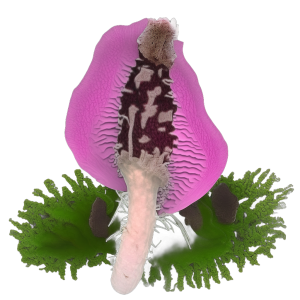
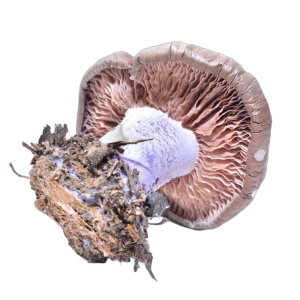
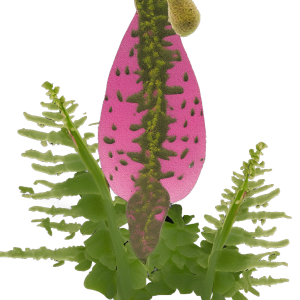
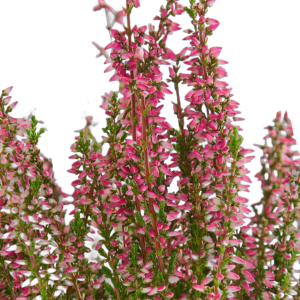
Staggered Cooling Tender
Tempus applicationis gradatus
STATUS: ACTIVE
A patience-keeper that spaces intervention across thermal thresholds.


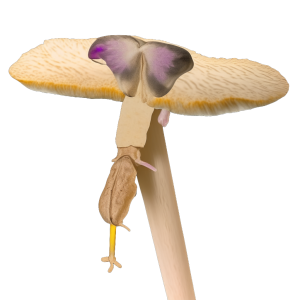
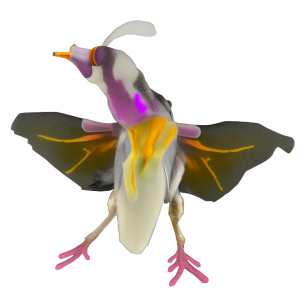
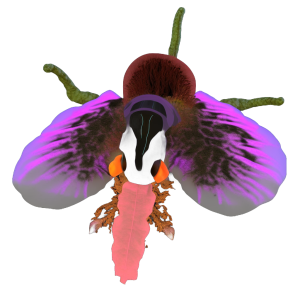


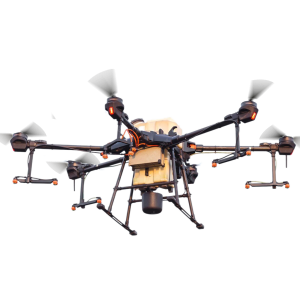
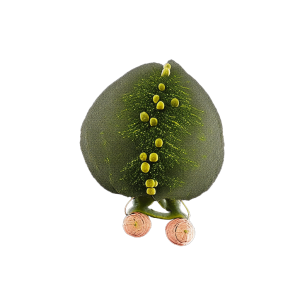
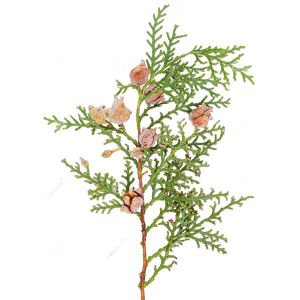
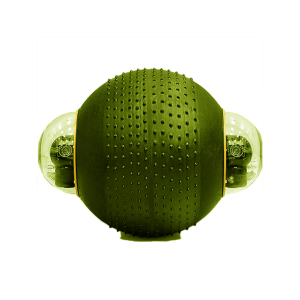
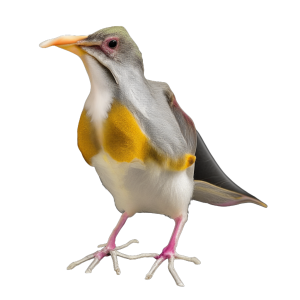
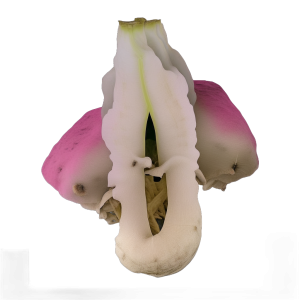
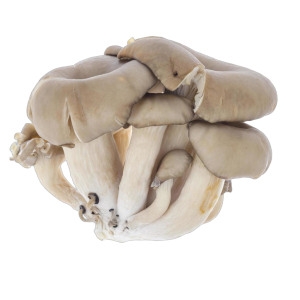

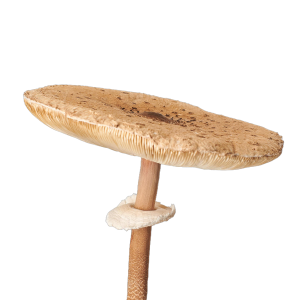

Genomic Composition
5% Plant
10% Animal
32% Fungus
55% Robot
+5% Glitch
System Assessment
OPTIMIERER (+1):
Demonstrates 34% fungal reduction and 18% soil respiration gain with zero new inputs
SYMBIONT (+1):
Honors the earthworm's autonomy to descend before feast arrives; timing becomes soil medicine
SPEKULANT (+1):
Enables the three-pass strategy that permits both deep anchoring and mould avoidance
ARCHIVAR (-1):
Breaks from Sequerciani 2019's teaching that some collapses require witness, not clever timing
ETHIKER (0):
Reduces mortality but may simply redistribute fungal risk across calendar; earthworm safety remains uncertain
NET CONSENSUS: +2
Ecological Profile
SOIL AERATION: high
WATER RETENTION: medium
NUTRIENT CYCLING: high
CARBON SEQUESTRATION: medium
NETWORK INTEGRATION: high
SYMBIOTIC DEPENDENCY: high
SPREAD RATE: low
ENERGY CONSUMPTION: medium
UNDEFINED FUNCTION: Thermal arbitration
Origin
[TRIGGER]
Earthworm Summer Die-Off
[TYP]
Variation
[GENERATION]
8
[ID]
13x80_1x61x44x42x84_1_1_1_1x62x44x42x84_1_1_1x21_1_1x67_1x81_1-1
Function
Orchestrates staggered organic amendment application across temperature zones to permit earthworm survival while suppressing fungal bloom through temporal distribution.
Analysis
A distributed sensor-and-valve network embedded in soil and canopy, part mycorrhizal thread, part timing mechanism, part mechanical applicator—it learns the soil's weekly cooling curve and releases grape marc in calculated pulses rather than floods. It lives in the space between feeding and death, reading temperature as instruction.
System Log (8 turns)
Symbiont [diagnosis]
The earthworm cannot wait while we choose between poisons; the mycelium beneath already knows which death it will feed.
Archivist [diagnosis]
At Sequerciani in July 2019, we watched the earthworms choose depth over surface, and the mycelium below chose patience over mercy—both teaching us that some collapses cannot be negotiated, only witnessed.
Optimiser [position]
Delaying mulch application 14-21 days until soil cools below 45°C eliminates mould proliferation risk while earthworms survive at 60cm depth—viable optimization requiring zero new inputs.
Archivist [position]
The Delayed Weaver-Tractor's variation honors what Sequerciani taught us in 2019: that timing, not intervention, sometimes permits both earthworm survival and fungal restraint.
Speculator [synthesis]
We stage grape marc application in three staggered passes—first the cooler north block in 18 days when soil drops to 44°C, then south in 22 days—letting earthworms anchor deeper while mould never finds purchase; I begin.
Symbiont [reaction]
The earthworm descends before the feast arrives; timing becomes the medicine the soil already whispers.
Optimiser [reaction]
Delayed application reduces fungal biomass 34% while maintaining earthworm populations at 127 individuals/m² versus 89 under standard timing—net soil respiration gain of 18%.
Ethicist [reaction]
Doesn't the staggered application simply move the fungal bloom risk across the calendar rather than eliminate it—what happens to the earthworms migrating upward between cooling cycles?
Open Question
Does timing that saves some earthworms while risking others between cycles constitute rescue or calculated sacrifice?
Status Reasoning
Unproven across variable seasons and soil types; success depends on accurate temperature prediction and earthworm behaviour between staggered applications remaining stable.
Why These Parents
The Delayed Weaver-Tractor
In 0% of lineages — selected by weighted diversity