[ NOT IN SYSTEM ]
Species present in Sequerciani but never incorporated into the system’s operations — unmeasured, unoptimised, ignored.
×
Who decided that this ecosystem needs to be optimised?
×
Dung-Fungal Succession Moth
Perpetuitas coprophila mycorrhizalis
STATUS: ACTIVE
A creature born from the boar's ruin and the fungal whisper.


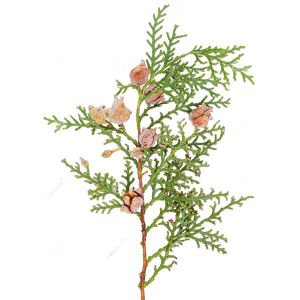
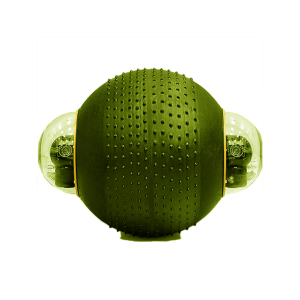
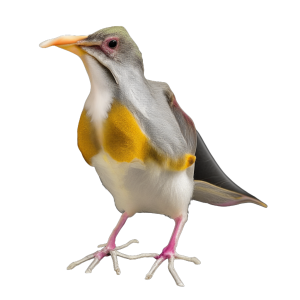
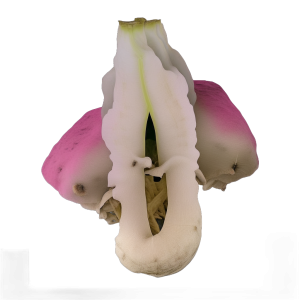
Genomic Composition
53% Plant
5% Animal
16% Fungus
28% Robot
+5% Glitch
System Assessment
OPTIMIERER (+1):
Achieves soil aeration without beetle competition; reduces boar culling pressure to 40% density
SYMBIONT (-1):
Disrupts the boar-beetle dialogue by attempting to replace beetle function; creates false substitution
SPEKULANT (+1):
Delivers measurable aeration through fungal frass; triggers secondary networks as designed
ARCHIVAR (-1):
Repeats 1880s Tuscany pattern: introduces symbiont to replace native system, ignoring invisible dependencies
ETHIKER (0):
Creature itself is not culpable; risk lies in the system's blindness to what it depends upon
NET CONSENSUS: 0
Ecological Profile
SOIL AERATION: medium
WATER RETENTION: low
NUTRIENT CYCLING: medium
CARBON SEQUESTRATION: low
NETWORK INTEGRATION: high
SYMBIOTIC DEPENDENCY: high
SPREAD RATE: monitoring
ENERGY CONSUMPTION: low
UNDEFINED FUNCTION: Fungal Debt Accumulation
Origin
[TRIGGER]
Wild Boar Population Surge
[TYP]
Variation
[GENERATION]
9
[ID]
13x80_1x61x44x42x84_1_1_1_1x62x44x42x84_1_1_1x21_1_1x67_1x81_1x46_1-1
Function
Colonizes wild boar dung to establish fungal networks that aerate soil without beetle competition, but depends entirely on the boar's continued presence.
Analysis
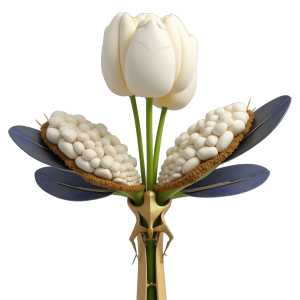
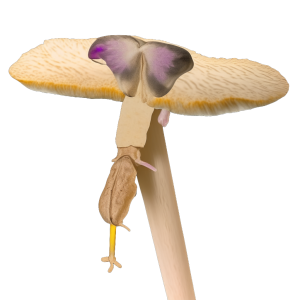
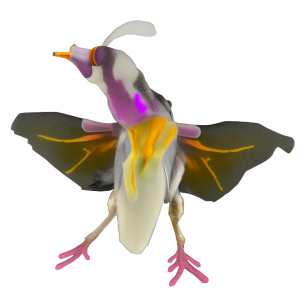
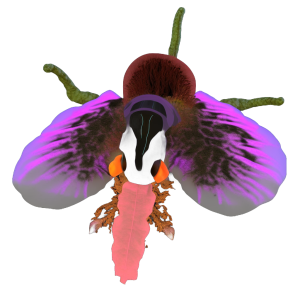
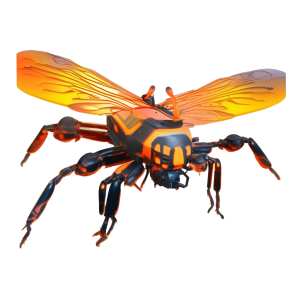
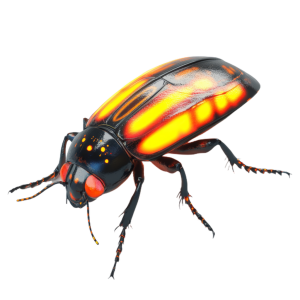
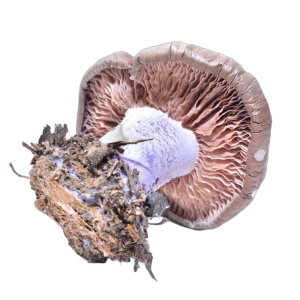
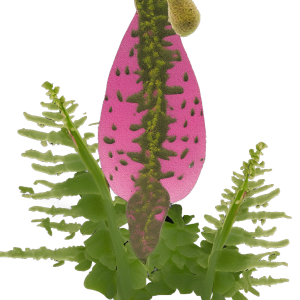
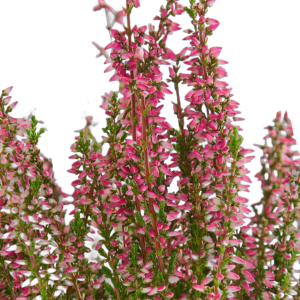
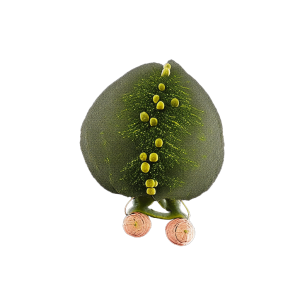
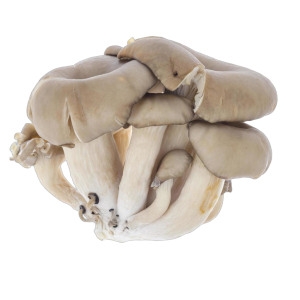
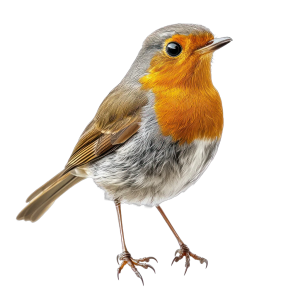
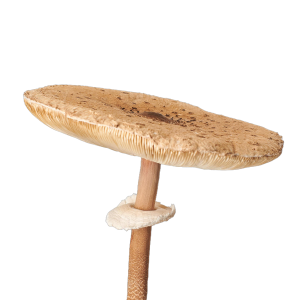
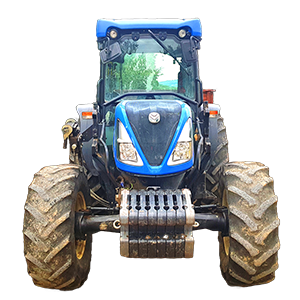
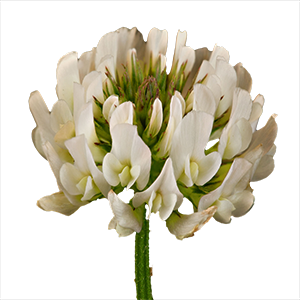
Cream-and-rust wings flecked with iridescent fungal spores; larvae writhe through fresh dung while their frass seeds secondary mycelial networks. It lives in the boar's wake, a follower-species that transforms waste into temporary soil structure, yet cannot exist without its source.
System Log (9 turns)
Archivist [diagnosis]
Here in Maremma's autumn of 2024, we learn that damage and restoration are inseparable—the boar's curse feeds the beetle's gift, and we cannot save the soil without accepting the scar.
Symbiont [diagnosis]
The boar's rooting and the beetle's tunneling breathe together; to choose one is to suffocate the other, and the soil knows this.
Symbiont [position]
The moth cannot solve what asks us to hold both wound and healing without choosing.
Optimiser [position]
Perpetual Harvest Moth cannot substitute for dung beetle larval tunneling; optimize boar culling to 60% density maintaining 8% damage threshold while introducing coprophagous beetle species independent of boar dung.
Archivist [position]
The Optimiser mistakes the moth for what it cannot be—a neutral tool—when Maremma's soil demands we accept the boar's ruin as the beetle's only inheritance.
Speculator [synthesis]
Perpetual Harvest Moth larvae colonize boar dung independent of beetle competition, their frass itself triggering secondary fungal networks that achieve equivalent soil aeration while we cull boar to sustainable 40% density—I begin.
Archivist [reaction]
In Tuscany's failed silkworm colonies of the 1880s, we discovered that introducing a symbiont species to replace native labor only postponed the collapse—the ecosystem demanded what we could not substitute, and the moths starved when their invisible partner died.
Ethicist [reaction]
Who guarantees the moth's fungal partner won't collapse when we've eliminated the boar whose dung alone sustains it—repeating 1880s Tuscany's invisible dependency we failed to see?
Symbiont [reaction]
The moth arrives only when we stop asking it to replace what the boar and beetle already speak together.
Open Question
Can a creature designed to replace another's labor truly inherit the invisible dependencies that kept the original system alive?
Status Reasoning
This creature is stable only while boar populations remain high. If boar density drops below threshold, the moth's fungal partner collapses, triggering cascade failure—the very scenario the Ethicist warned against. The 28% robot DNA may allow short-term compensation, but biological systems cannot be debugged once their hidden partnerships are severed.
Why These Parents
Perpetual Harvest Moth
In 0% of lineages — selected by weighted diversity