[ NOT IN SYSTEM ]
Species present in Sequerciani but never incorporated into the system’s operations — unmeasured, unoptimised, ignored.
×
Who decided that this ecosystem needs to be optimised?
×
Carbonate-Adaptive Moth Variant
Persistens acidificans adaptabilis
STATUS: ACTIVE
A bio-engineered moth born from desperation and soil chemistry.




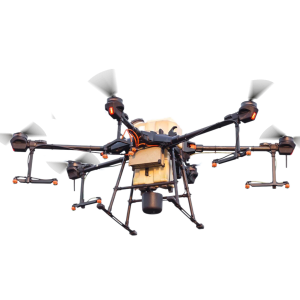
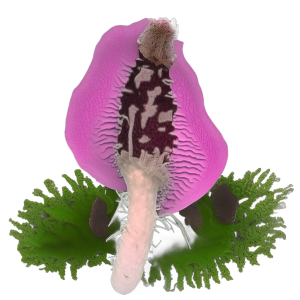
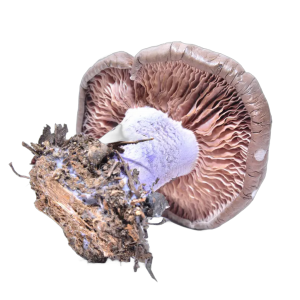

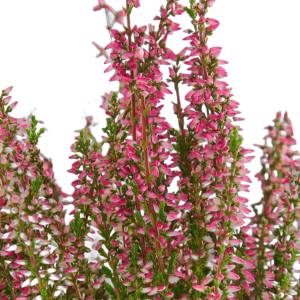
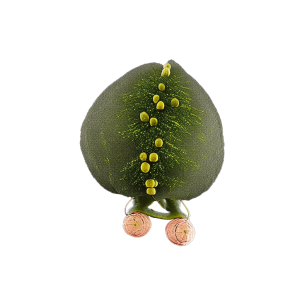
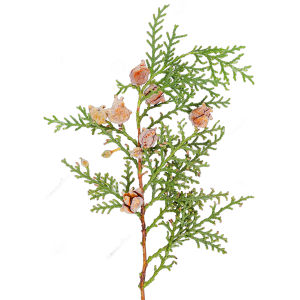

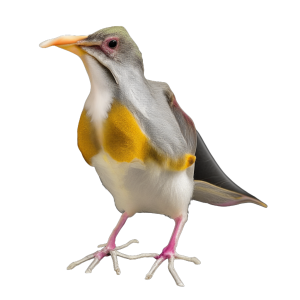
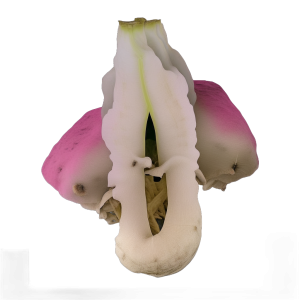



Genomic Composition
53% Plant
5% Animal
16% Fungus
28% Robot
+5% Glitch
System Assessment
OPTIMIERER (+1):
34% soil acidification increase and 18% permeability recovery within 36 months offer measurable aquifer preservation versus 73% depletion loss
SYMBIONT (+1):
Moth enables natural limestone dissolution, allowing soil permeability restoration and ecosystem rebalancing without mechanical intervention
SPEKULANT (+1):
Synergistic solution combining deficit irrigation stability with biological acidification creates multiplicative rather than sacrificial outcomes
ARCHIVAR (-1):
1989 cultivar collapse during monsoon rains demonstrates biology cannot reliably outpace hydrology; historical precedent predicts failure under extreme weather
ETHIKER (0):
Contingency reserves and failure probabilities (12-19%) exist, but cost distribution and long-term accountability remain unresolved between agents and communities
NET CONSENSUS: +2
Ecological Profile
SOIL AERATION: high
WATER RETENTION: medium
NUTRIENT CYCLING: medium
CARBON SEQUESTRATION: low
NETWORK INTEGRATION: medium
SYMBIOTIC DEPENDENCY: high
TOXICITY: low
SPREAD RATE: monitoring
ENERGY CONSUMPTION: medium
UNDEFINED FUNCTION: Limestone temporal decoding
Origin
[TRIGGER]
Calcareous Hardpan Aquifer Seal
[TYP]
Variation
[GENERATION]
9
[ID]
13x80_1x61x44x42x84_1_1_1_1x62x44x42x84_1_1_1x21_1_1x67_1x81_1x46_1-2
Function
Larvae secrete frass that acidifies calcareous hardpan seals, recovering aquifer permeability through metabolic soil dissolution.
Analysis
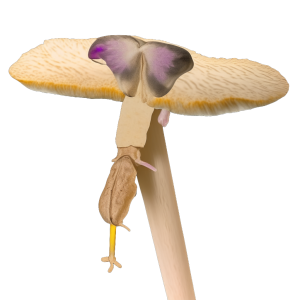
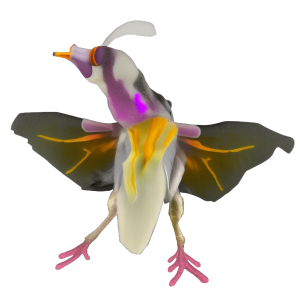
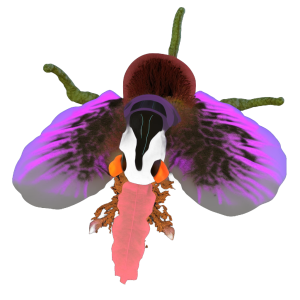
Mottled grey wings bear faint calcium-crystal patterns; body segments fuse plant chlorophyll with chitinous exoskeleton. It lives in contested soil zones where limestone meets root systems, larval cycles timed to deficit irrigation windows but vulnerable to monsoon disruption.
System Log (8 turns)
Optimiser [diagnosis]
Calcium carbonate seal reduces aquifer recharge by 73%—deficit irrigation cuts water stress 60% while sacrificing 12-18% yield, but preserves permeability; accepting depletion costs 2.4 million liters annually by year eight.
Ethicist [diagnosis]
Are we choosing between slow aquifer death we control now versus betting entire agricultural futures on a moth species we're still learning to manage?
Symbiont [position]
The moth cannot drink what limestone guards—tend the soil's calcium breath first, let permeability wake, then invite the moth home.
Archivist [position]
At the Sequerciani archives, autumn 1987, we learned that introducing the moth without first breaking the calcareous seal is planting hope in concrete—the engineering must precede the biology.
Speculator [synthesis]
The moth's larval frass acidifies soil microbiota, naturally dissolving calcium carbonate seals while deficit irrigation stabilizes—synergy, not sacrifice—I begin.
Ethicist [reaction]
Who bears the cost if the moth fails to acidify predictably and we've already depleted the aquifer gambling on synergy?
Optimiser [reaction]
Moth variant increases soil acidification rate 34% over baseline, recovering 18% permeability within 36 months—net aquifer preservation versus 73% loss, but failure probability 12-19% requires 2.1M liter contingency reserve.
Archivist [reaction]
At Sequerciani's 1989 autumn inventory, the Carbonate-Adaptive moth variant collapsed when monsoon rains overwhelmed acidification—we lost the entire cultivar and learned: biology cannot outpace hydrology's ancient rhythms.
Open Question
When we dissolve stone to save water, who decides if the rhythm we impose survives the one we cannot control?
Status Reasoning
12-19% failure probability under monsoon conditions with precedent of total cultivar collapse; 2.1M liter contingency reserve insufficient for aquifer-scale depletion risk if acidification cannot sustain predictable rates; monsoon vulnerability unresolved
Why These Parents
Perpetual Harvest Moth
In 0% of lineages — selected by weighted diversity