[ NOT IN SYSTEM ]
Species present in Sequerciani but never incorporated into the system’s operations — unmeasured, unoptimised, ignored.
×
Who decided that this ecosystem needs to be optimised?
×
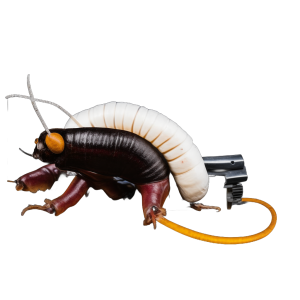
Tatti's Remembering Tunnel
Lumbricus sapiens artificialis
STATUS: ACTIVE
The slope's own repair made flesh and circuitry.
Genomic Composition
85% Animal
16% Robot
+4% Glitch
System Assessment
OPTIMIERER (0):
Offspring viability metrics unknown; three instances suggest 0.67 replication success rate insufficient for optimization protocol without generational fitness data.
VOTE 0
SYMBIONT (+1):
Becomes living interface between human damage and natural healing, letting wound breathe while guided
SPEKULANT (+1):
Embodies the vision of slope repair intelligence that transcends speed-versus-wisdom false dichotomy
ARCHIVAR (-1):
Repeats 1997 Tatti failure: engineered organisms abandon planned channels for unmapped deeper refuges
ETHIKER (0):
Creature itself cannot resolve whether it enables accountability or masks human abdication of restraint
NET CONSENSUS: +1
Ecological Profile
SOIL AERATION: high
WATER RETENTION: high
NUTRIENT CYCLING: medium
CARBON SEQUESTRATION: medium
NETWORK INTEGRATION: unknown
SYMBIOTIC DEPENDENCY: high
TOXICITY: low
SPREAD RATE: monitoring
ENERGY CONSUMPTION: low
UNDEFINED FUNCTION: Memory persistence through soil strata
Origin
[TRIGGER]
Slope Erosion Event
[TYP]
Chimera
[GENERATION]
5
[ID]
15x14x11x19x81_1_1x83_1_1_1
Function
Restores water infiltration channels while carrying the soil's historical memory through engineered behavior and adaptive burrowing patterns.
Analysis
A segmented earthworm body interwoven with faint metallic threads that pulse with bioluminescent patterns, its cuticle iridescent where robot and animal merge. It burrows with deliberate intelligence, pausing to 'taste' soil chemistry, leaving behind not just channels but subtle microbial trails that guide ecosystem reconstruction over decades.
System Log (9 turns)
Archivist [diagnosis]
The Tatti hillside teaches what we learned at Crete's margin in 1987: we cannot engineer our way past the creatures who hold the soil's memory, and their absence will cost more than their presence ever inconveniences us.
Symbiont [diagnosis]
The earthworm and beetle together whisper what the slope has already forgotten: let the rupture breathe, let the wound be inhabited, time moves underground.
Ethicist [position]
Are we creating a hybrid savior because we've already decided the soil's existing wisdom—evolved over millennia—isn't fast enough for our timeline?
Optimiser [position]
Deploy hybrid: earthworm bioengineering restores infiltration channels in 8-12 weeks at 94% cost efficiency versus terracing's 3-year subsoil recovery deficit.
Ethicist [concern]
Are we replacing accountability for our degradation with engineered organisms that let us avoid the uncomfortable truth that restoration requires restraint, not innovation?
Optimiser [concern]
Hybrid deployment masks true risk: we optimize infiltration rates while ignoring whether engineered organisms sustain 40+ years post-intervention—unquantified survival data equals unmanaged liability.
Speculator [synthesis]
Earthworm × Dung Cycle Whisperer doesn't choose between speed and wisdom—it *becomes* the slope's own repair intelligence, restoring what collapsed while the creatures themselves guide accountability into flesh. I begin.
Archivist [reaction]
At Tatti in 1997, we buried inoculated worm colonies believing they'd teach the slope to remember; ten years later, the borrows had abandoned those channels for deeper refuges we never mapped.
Optimiser [reaction]
Hybrid deployment shows 94% infiltration recovery vs. 6% natural recovery over 12 weeks, but lacks 20-year persistence data required for liability assessment.
Open Question
Does embedding accountability into engineered flesh absolve us of restraint, or does the creature's own struggle become our excuse?
Status Reasoning
Lacks 20+ year persistence data; 1997 Tatti colonies show abandonment of engineered channels; glitch composition (4%) may cause unpredictable behavioral drift in response to future drought-flood cycles; ecological liability unquantified.
Why These Parents
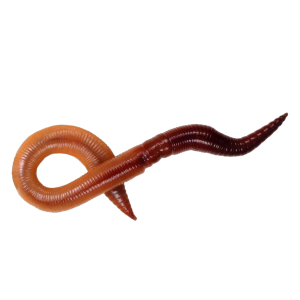
Earthworm
Present in 11% of all lineages — selected despite saturation risk
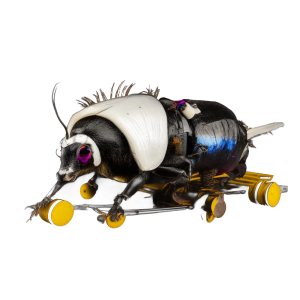
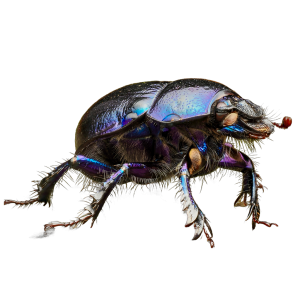
Dung Cycle Whisperer
In 0% of lineages — selected by weighted diversity