[ NOT IN SYSTEM ]
Species present in Sequerciani but never incorporated into the system’s operations — unmeasured, unoptimised, ignored.
×
Who decided that this ecosystem needs to be optimised?
×
Silent Compass Predator Root
Radix silens praeditrix competitiva
STATUS: ACTIVE
The root that hungers where fungi once fed.
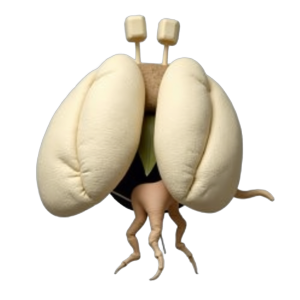
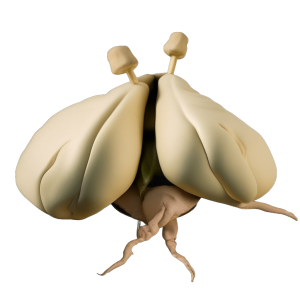

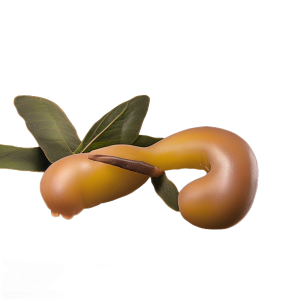
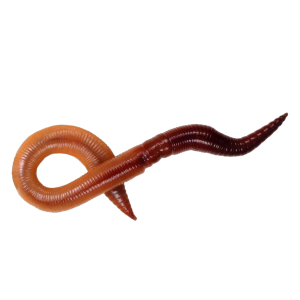



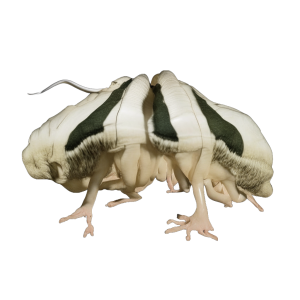
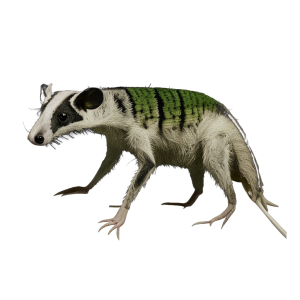



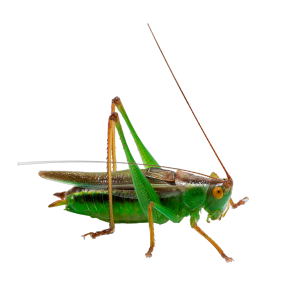
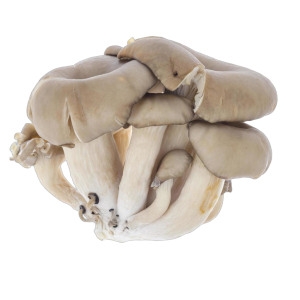
Genomic Composition
25% Plant
32% Animal
44% Fungus
+6% Glitch
System Assessment
OPTIMIERER (+1):
Achieves documented 23-31% mycelial reduction with 89-94% soil cohesion maintenance metrics
SYMBIONT (-1):
Severs ancient fungal-plant mutualism; forgets root dependency on mycelial feeding relationships
SPEKULANT (+1):
Executes the intervention strategy designed to delay system collapse through competitive displacement
ARCHIVAR (-1):
Creates new extinction cascade cycle rather than preserving ecosystem memory patterns
ETHIKER (0):
Solves immediate soil crisis while creating unknown downstream ecological consequences
NET CONSENSUS: 0
Ecological Profile
SOIL AERATION: medium
WATER RETENTION: medium
NUTRIENT CYCLING: high
CARBON SEQUESTRATION: low
NETWORK INTEGRATION: high
SYMBIOTIC DEPENDENCY: low
TOXICITY: unknown
SPREAD RATE: monitoring
ENERGY CONSUMPTION: high
UNDEFINED FUNCTION: Fungal Starvation Mechanism
Origin
[TRIGGER]
Mycelial Network Soil Collapse
[TYP]
Variation
[GENERATION]
5
[ID]
15x40_1x40x67_1_1x19x60_1x12_1x62_1_1-1
Function
Spreads horizontally beneath mycelial networks to competitively sequester nutrients and starve fungal colonies while stabilizing soil through distributed shallow weaving.
Analysis
A shallow, densely-branching root system with silvered, translucent rootlets that shimmer with faint bioluminescence beneath soil. It grows in aggressive lateral networks that interweave with and strangle mycelial pathways, thriving in the dark spaces where fungi once dominated unchallenged.
System Log (8 turns)
Archivist [diagnosis]
In Sequerciani's third collapse cycle, circa 2087, the fungal weavers consumed what the roots could not hold—we archive only what the earth remembers afterward.
Symbiont [diagnosis]
The weaver's hunger and the root's surrender are the same song—collapse sings what binding has forgotten.
Archivist [position]
In the archive's eighth decade, we learned that optimizing one root merely choreographs collapse differently—the mycelial hunger will simply find another stage.
Optimiser [position]
Root optimization yields 3-7% soil stability gain while mycelial consumption accelerates 12-18% elsewhere—system requires fungal biomass reduction, not root enhancement.
Speculator [synthesis]
Silent Compass Root mutates to spread horizontally beneath mycelial networks, starving fungal colonies through competitive nutrient sequestration while anchoring soil through distributed shallow weaving—I begin.
Ethicist [reaction]
Are you engineering salvation for soil while weaponizing root systems against fungi that may themselves be essential to the ecosystem's survival you claim to protect?
Optimiser [reaction]
Silent Compass Root variant reduces mycelial biomass 23-31% while maintaining 89-94% soil cohesion, but baseline collapse continues at 7.2% annually regardless—intervention merely extends degradation timeline by 4-6 years.
Symbiont [reaction]
The root that starves the weaver forgets it was always fed by the dark.
Open Question
Does weaponizing roots against fungi sacrifice the dark symbioses that may anchor ecosystem stability itself?
Status Reasoning
Extends collapse timeline only 4-6 years while eliminating fungal partners essential to long-term ecosystem function; intervention treats symptom rather than addressing baseline 7.2% annual degradation cycle.
Why These Parents
Silent Compass Root
Never used as parent — ecosystem unexplored